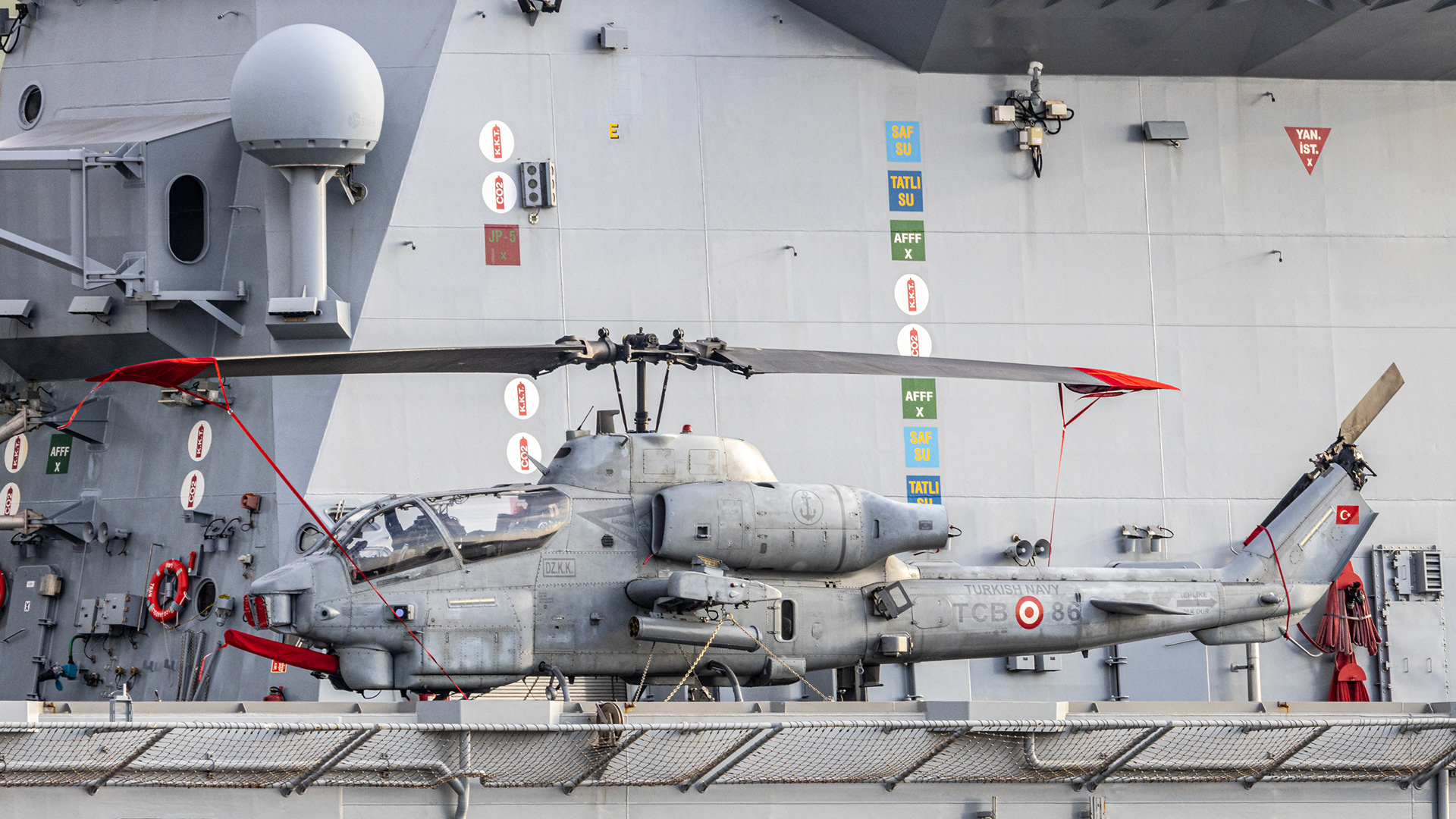
Turkish naval task group visits Rotterdam
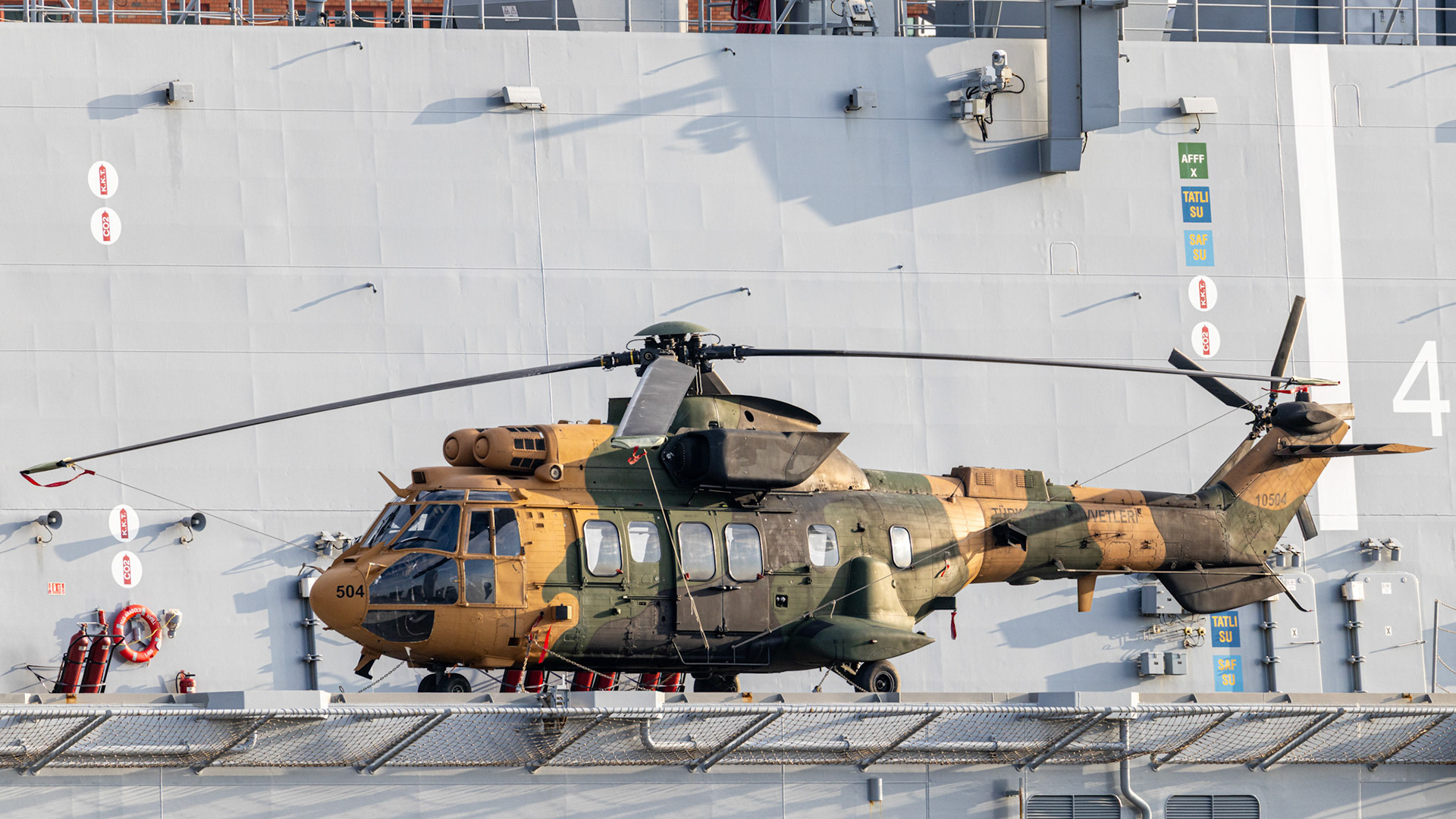
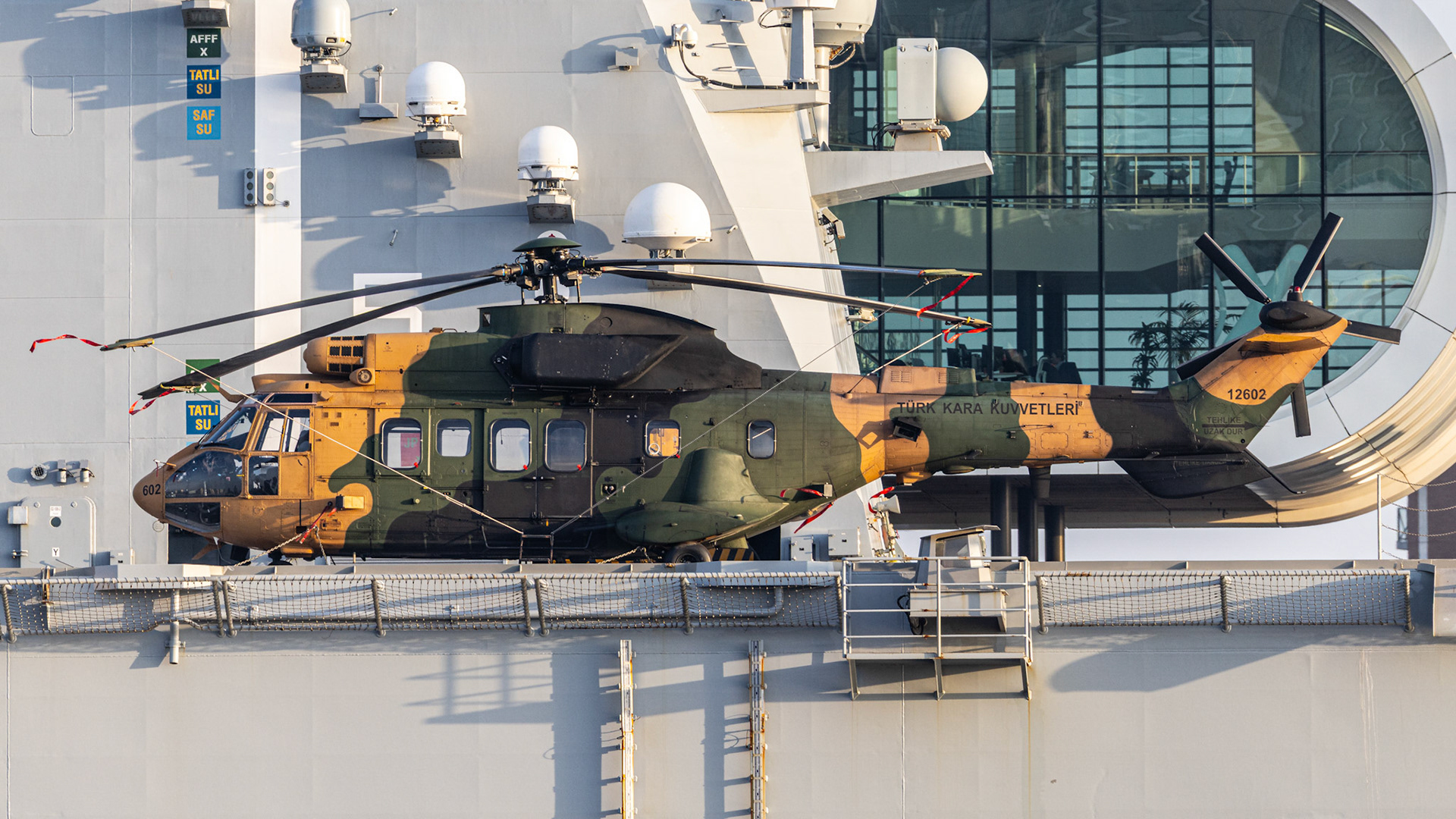
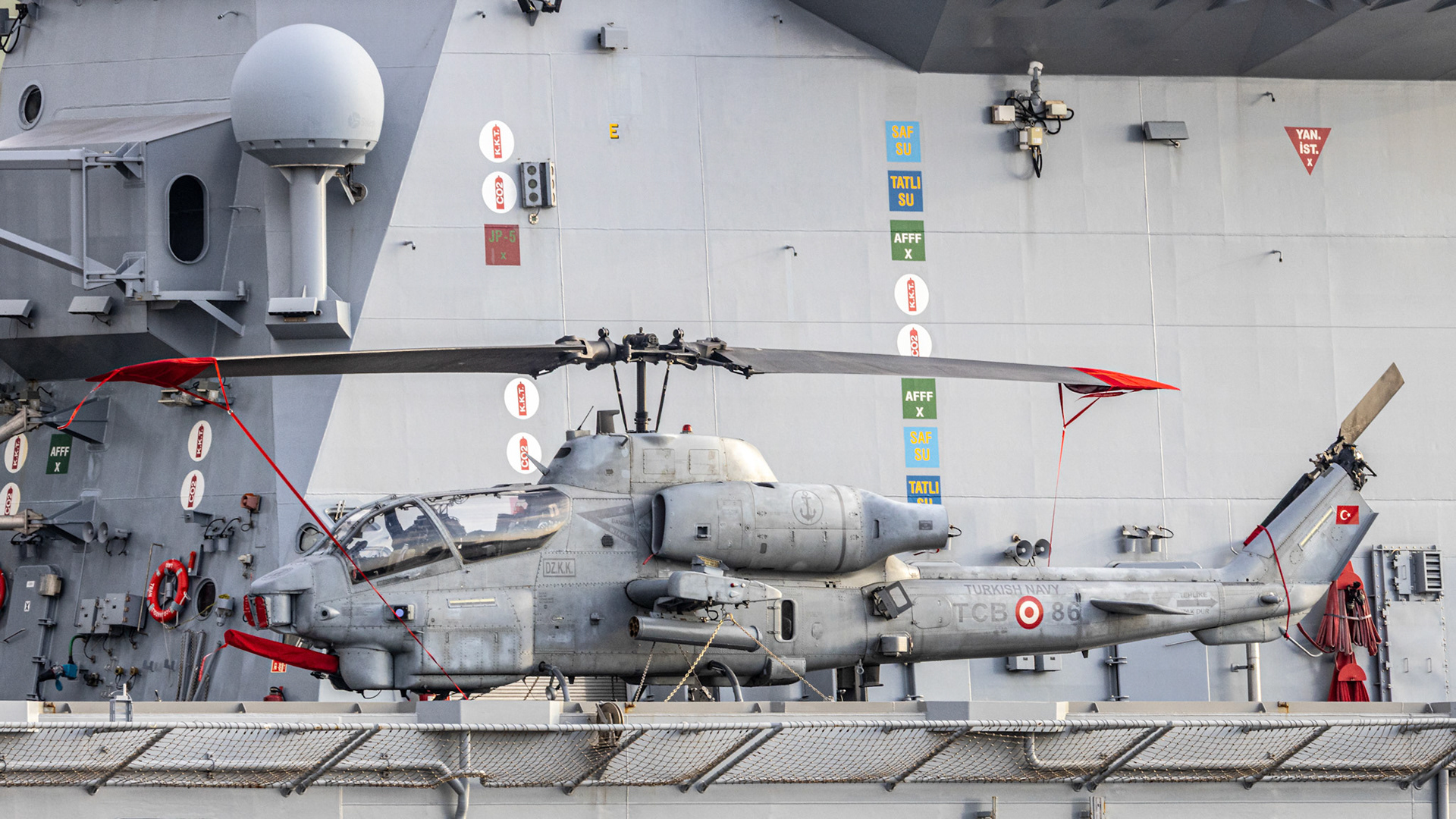
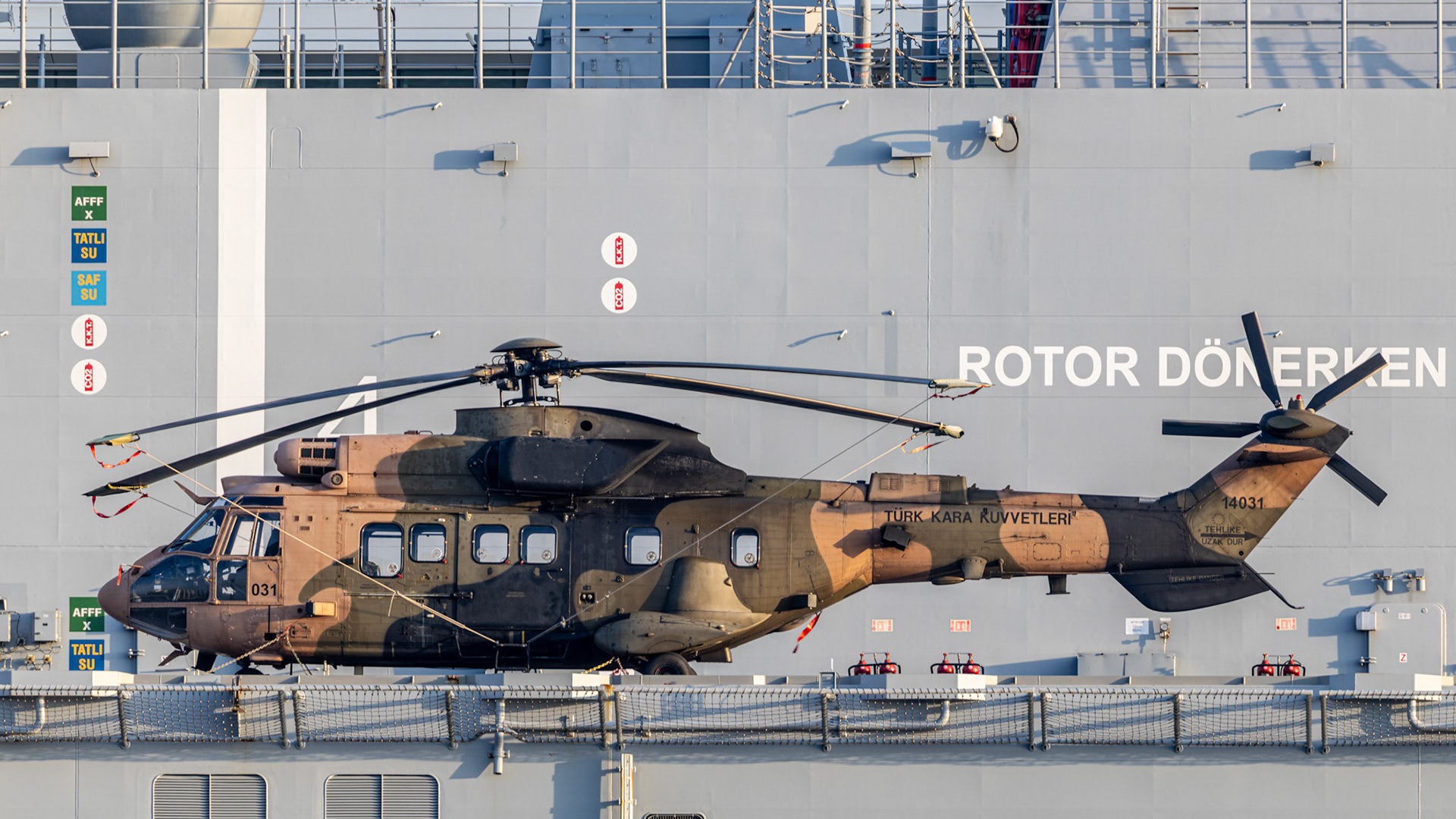
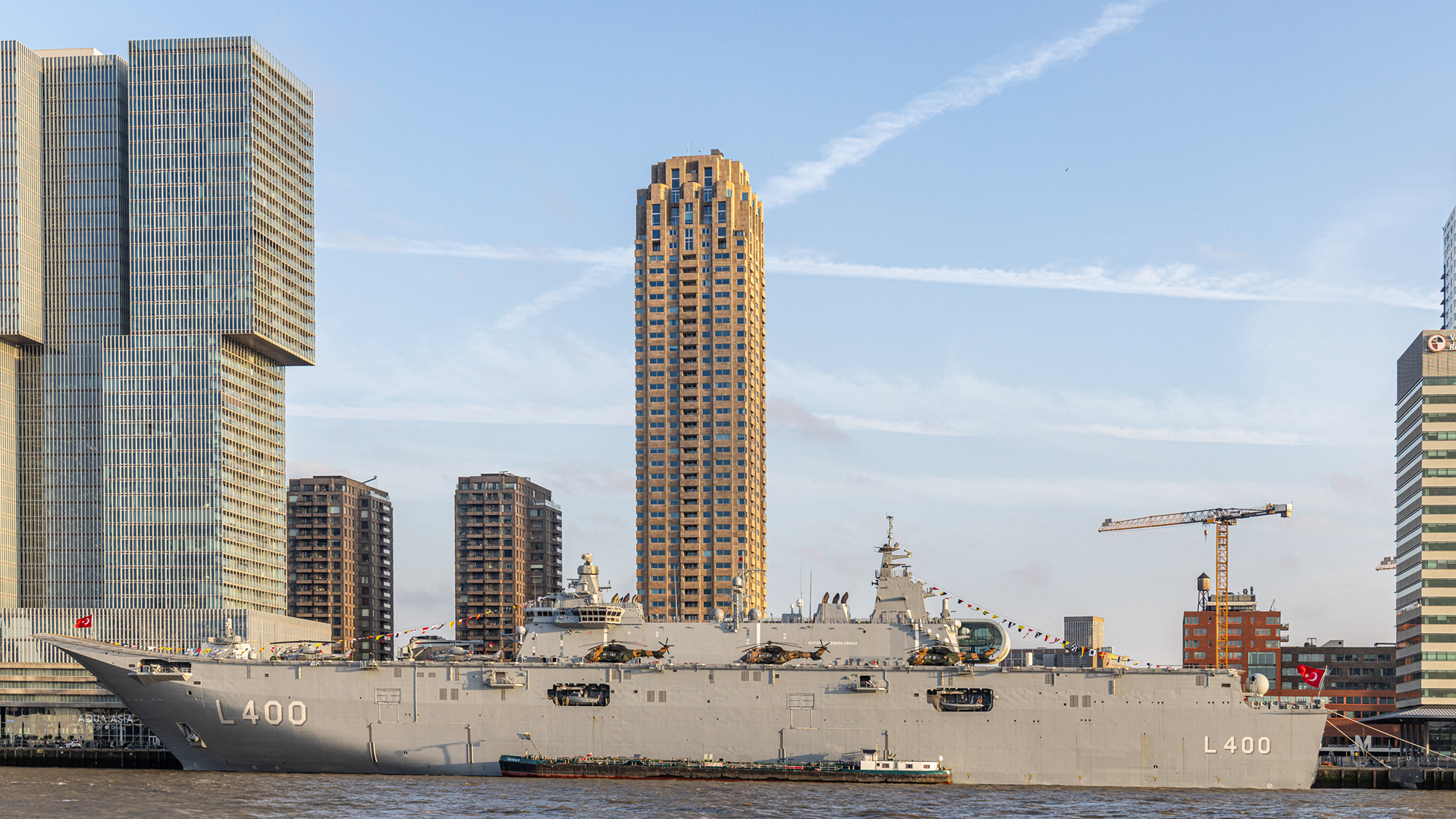
In late February 2026, several Turkish naval vessels made a striking appearance in the Port of Rotterdam, drawing crowds of residents, maritime enthusiasts and members of the Dutch-Turkish community to the city’s waterfront. At the centre of the visiting task group was TCG Anadolu (L-400), the flagship of the Turkish Navy and the largest warship ever built for the country.
The 232-metre-long ship arrived as part of a four-vessel Turkish naval task group participating in NATO’s multinational exercise “Steadfast Dart 2026.” The deployment involved around 10,000 troops from 11 allied countries and focused on testing NATO’s rapid deployment and readiness capabilities across land, sea and air domains.
-- Arrival in the heart of the city --
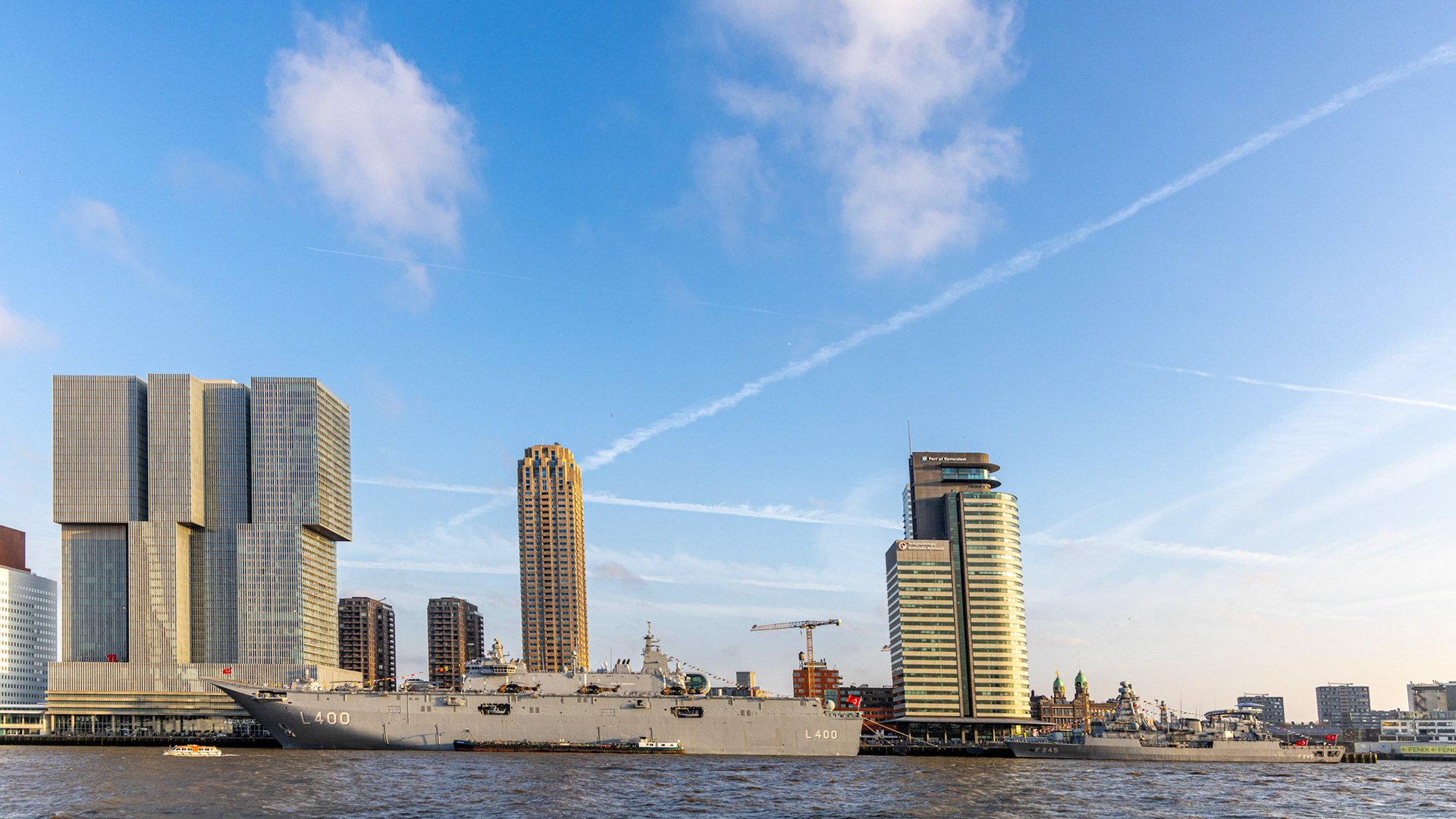
The Turkish vessels entered Rotterdam on 26 February, with the Anadolu and accompanying ships mooring near the Holland Amerika Kade, close to the iconic Erasmus Bridge. Their presence in the city centre made them highly visible from the surrounding bridges and quays, quickly turning the visit into a spectacle for people passing along the waterfront.
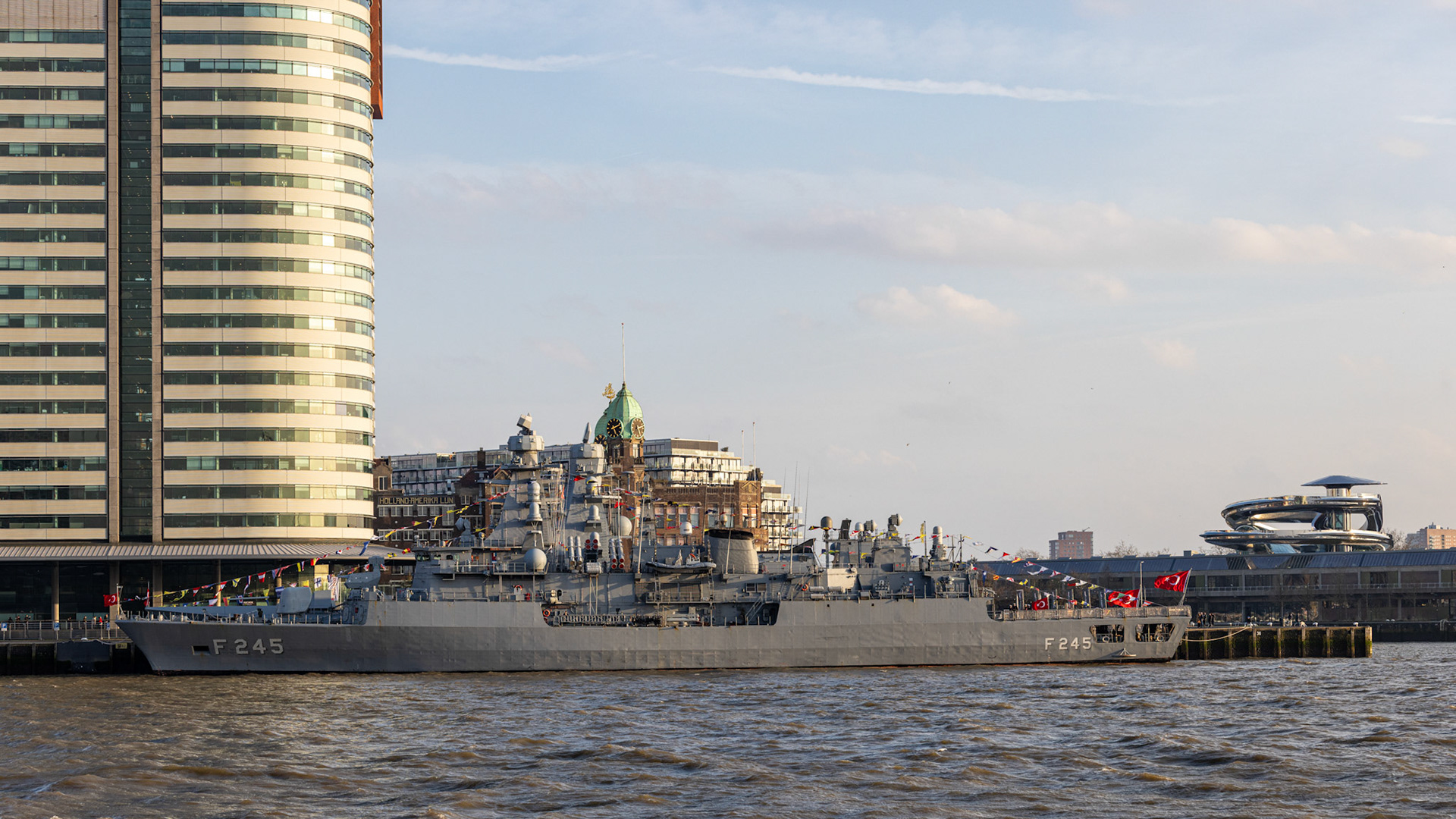
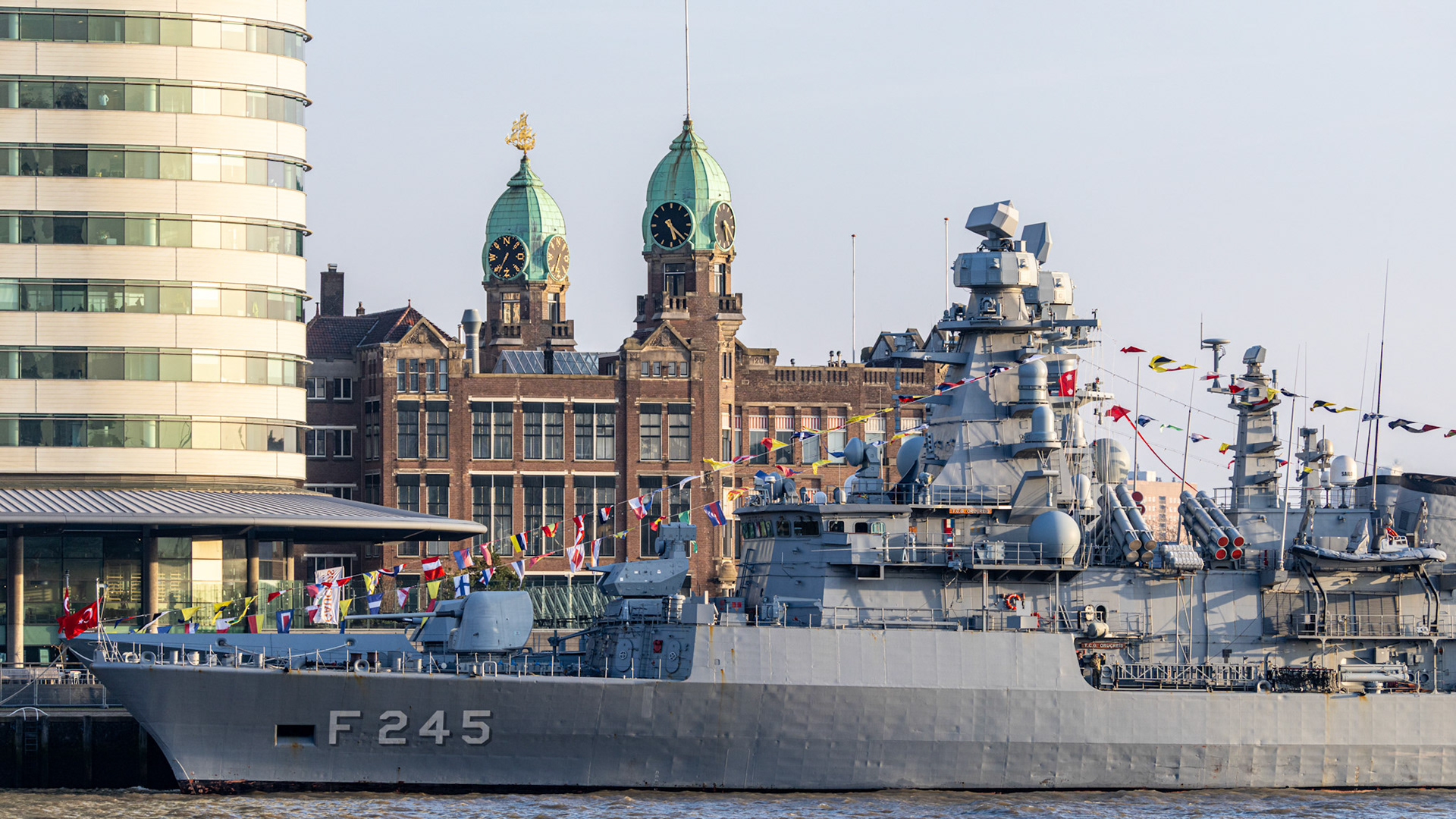
The task group included the frigates TCG İstanbul (F-515) and TCG Oruçreis (F-245), as well as the fleet replenishment ship TCG Derya (A-1590). Together they formed the so-called Anadolu Task Group, representing different capabilities of the modern Turkish Navy—from frontline combat vessels to logistical support ships.
-- The flagship: TCG Anadolu --
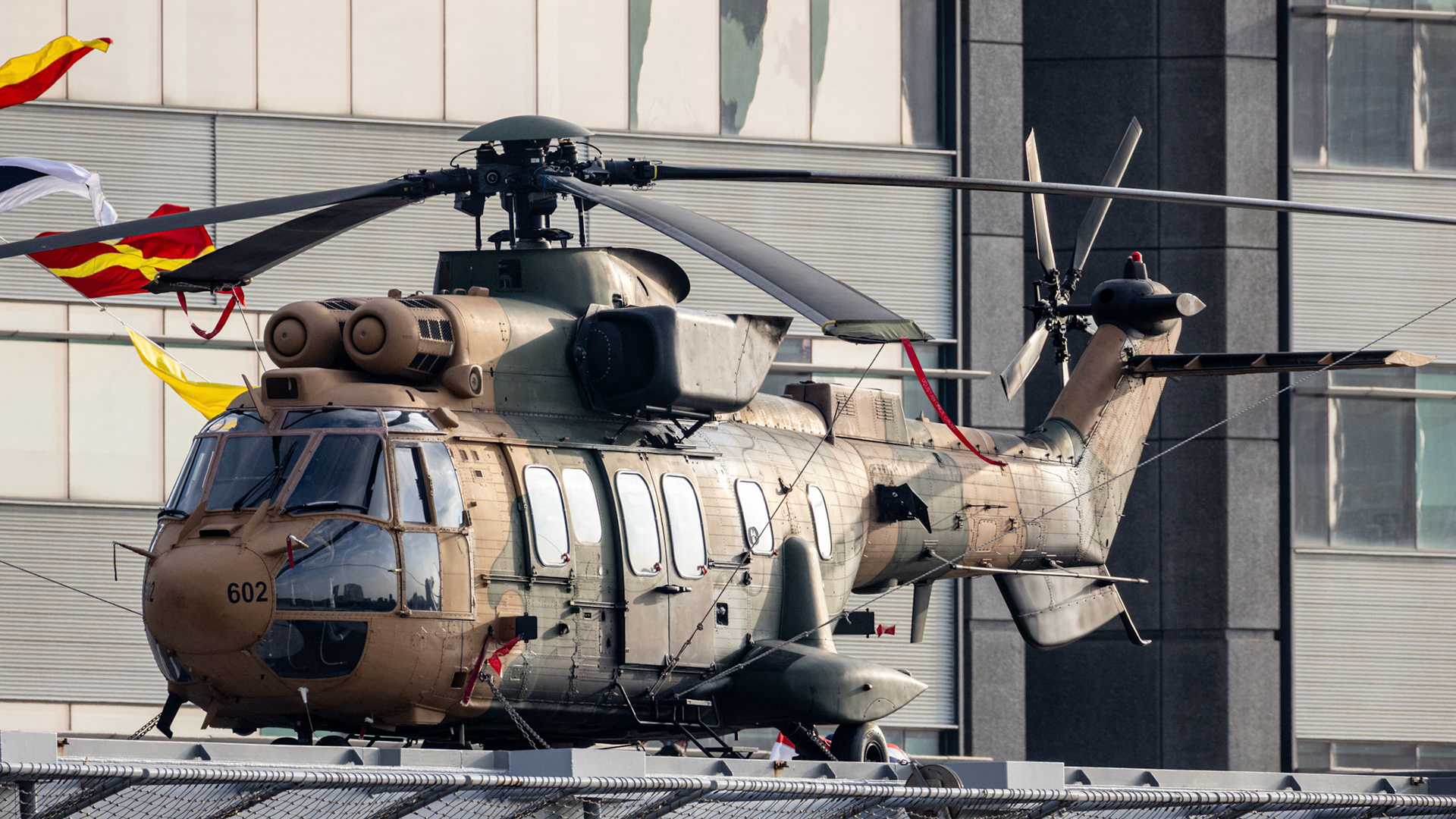
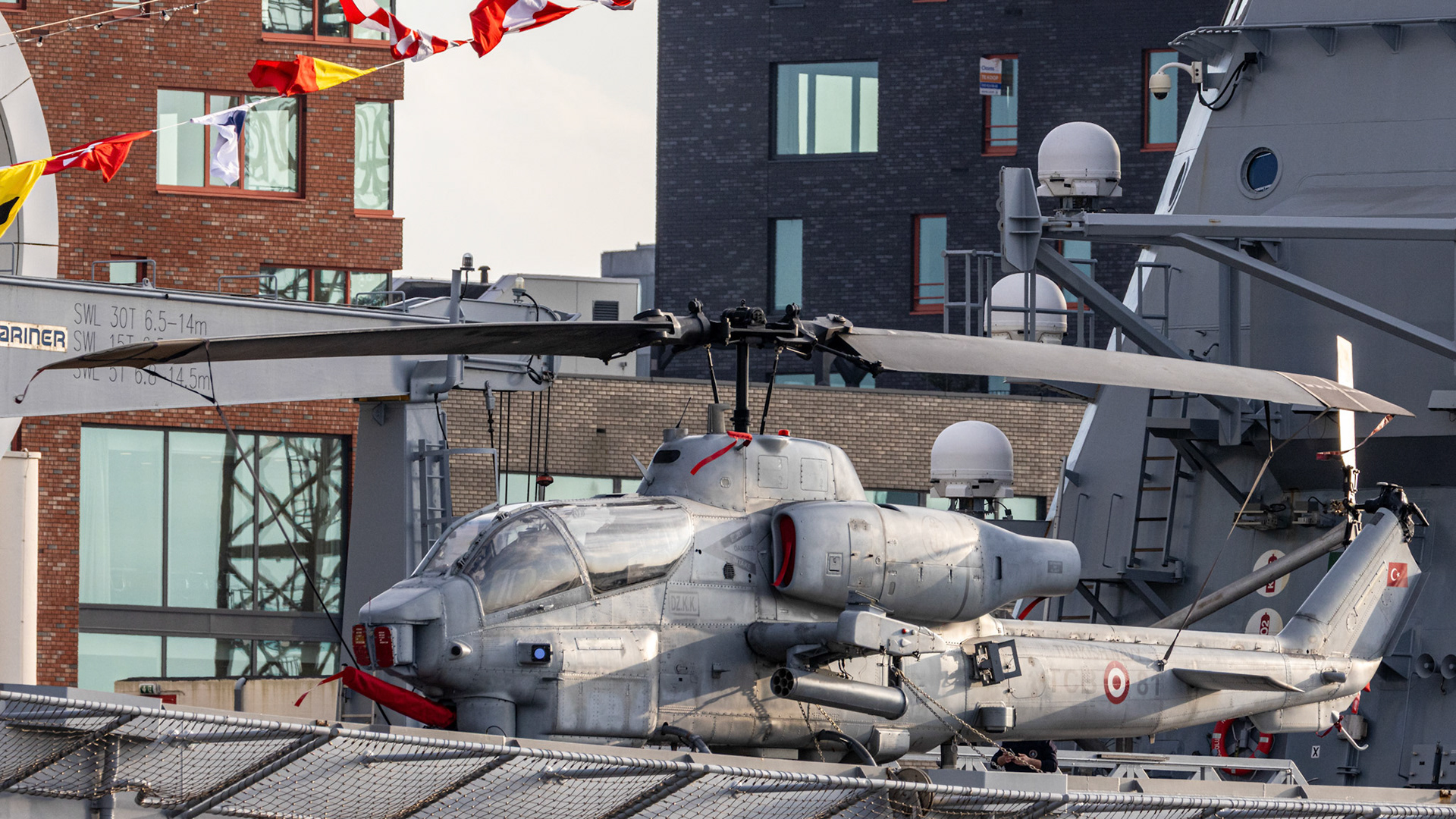
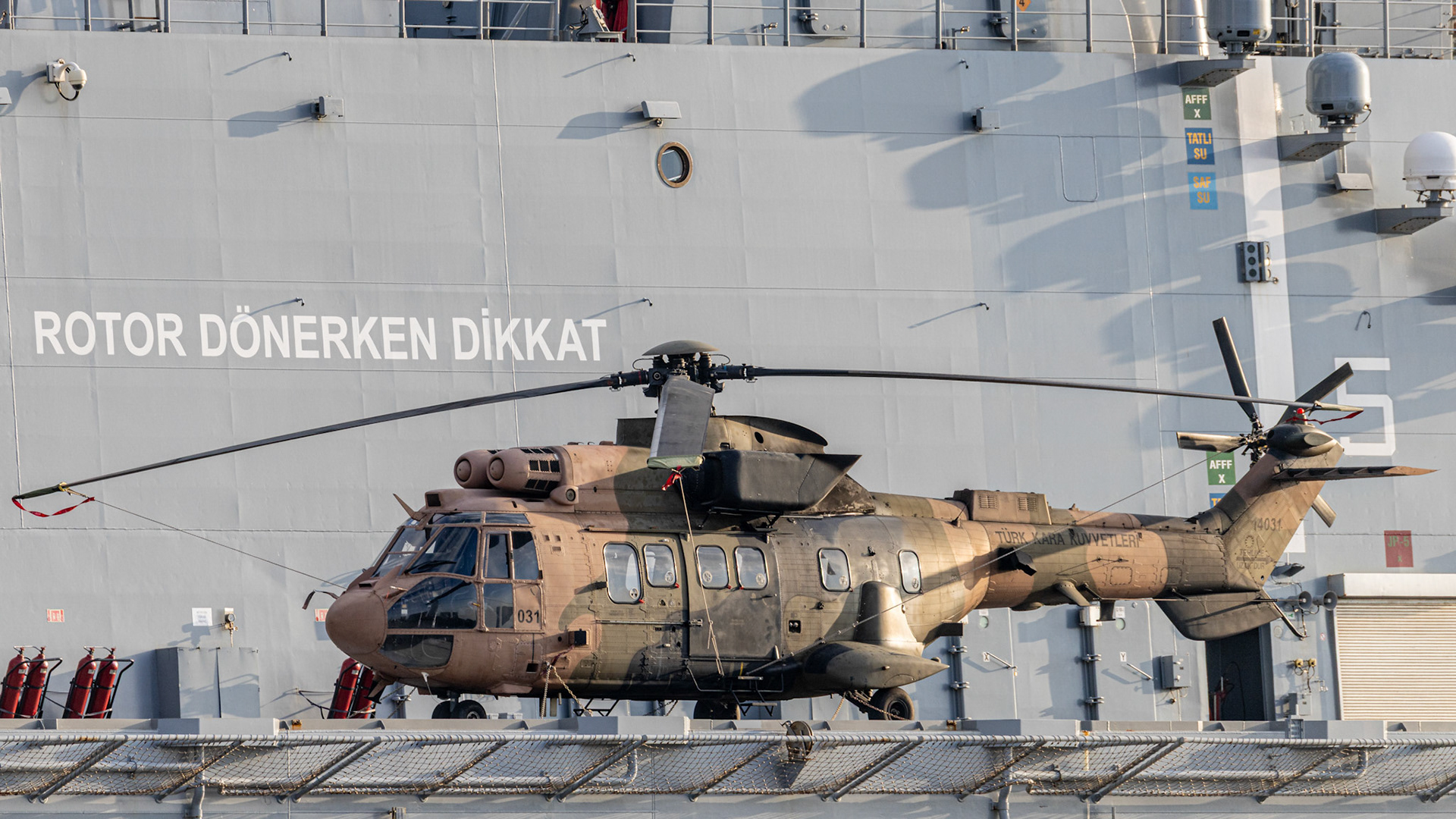
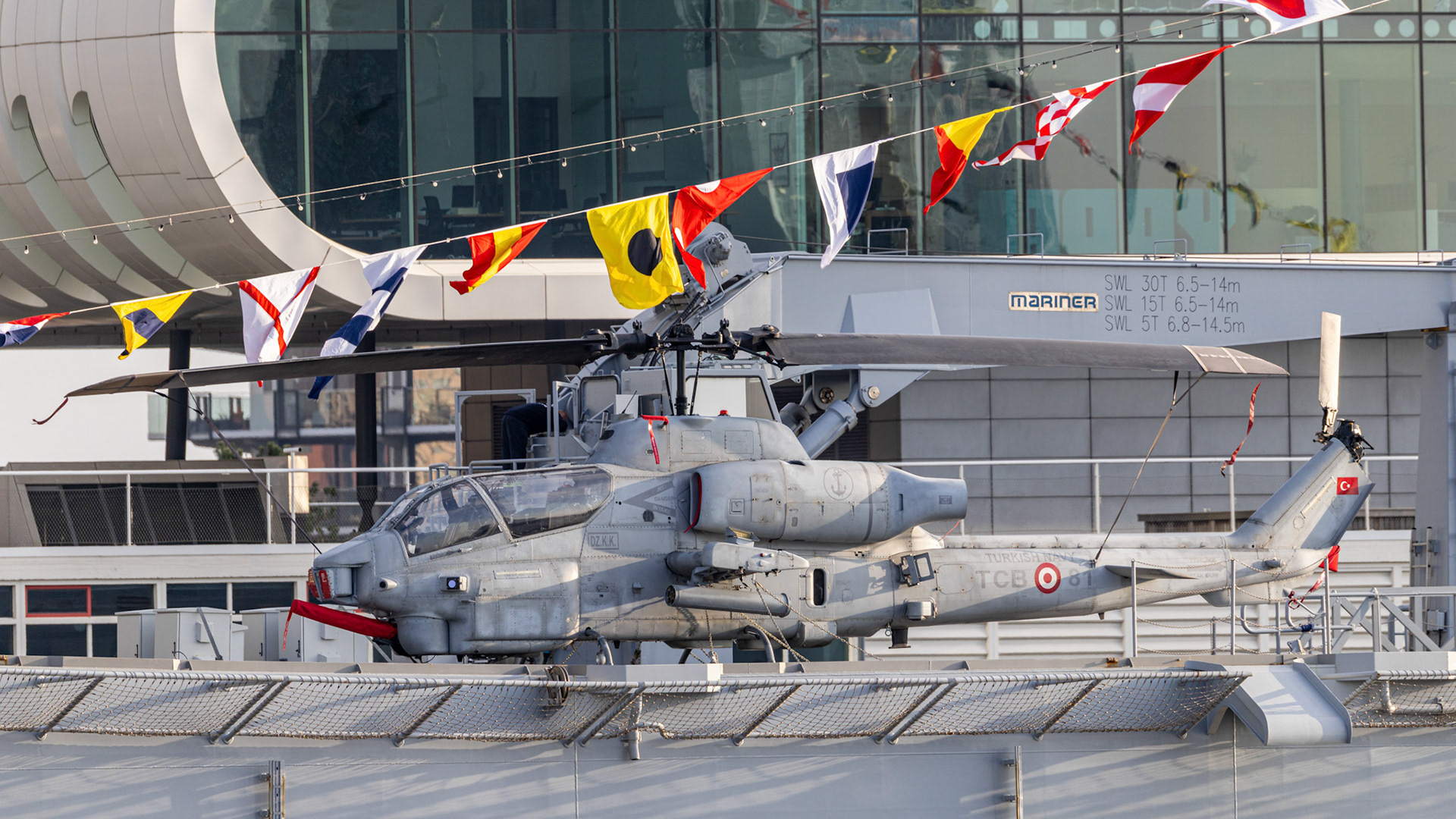
Much of the attention focused on TCG Anadolu, a landing helicopter dock and amphibious assault ship commissioned in 2023. Designed to function as a floating command centre, the vessel can support amphibious operations, humanitarian missions and long-distance deployments.
With a displacement of more than 27,000 tons and a flight deck capable of operating helicopters, drones and amphibious landing craft, the ship is often described as one of the most advanced platforms in the Turkish fleet. It can carry dozens of aircraft and helicopters and also transports vehicles, marines and landing craft for amphibious operations.
-- Interest from the public --
Despite being part of an active NATO exercise, the port call quickly became a public attraction. Photographs and videos circulated widely on social media showing people gathering along the quays and bridges to observe the ships, some waving Turkish flags as the vessels entered the port.
Unlike some naval visits, however, the ships were not open to the public, meaning visitors could only view them from outside the security perimeter around the berths.
-- Strategic significance --
The stop in Rotterdam also had diplomatic and military significance. On board the Anadolu, a defence-industry exhibition was organised for invited officials, diplomats and representatives of NATO partners, showcasing Turkish-developed naval systems, drones and military technology.
For Turkey, the deployment demonstrated both its growing maritime capabilities and its contribution to NATO operations. For Rotterdam, one of Europe’s largest ports, the arrival of the Turkish task group offered a rare opportunity to see one of NATO’s newest and most distinctive naval flagships up close