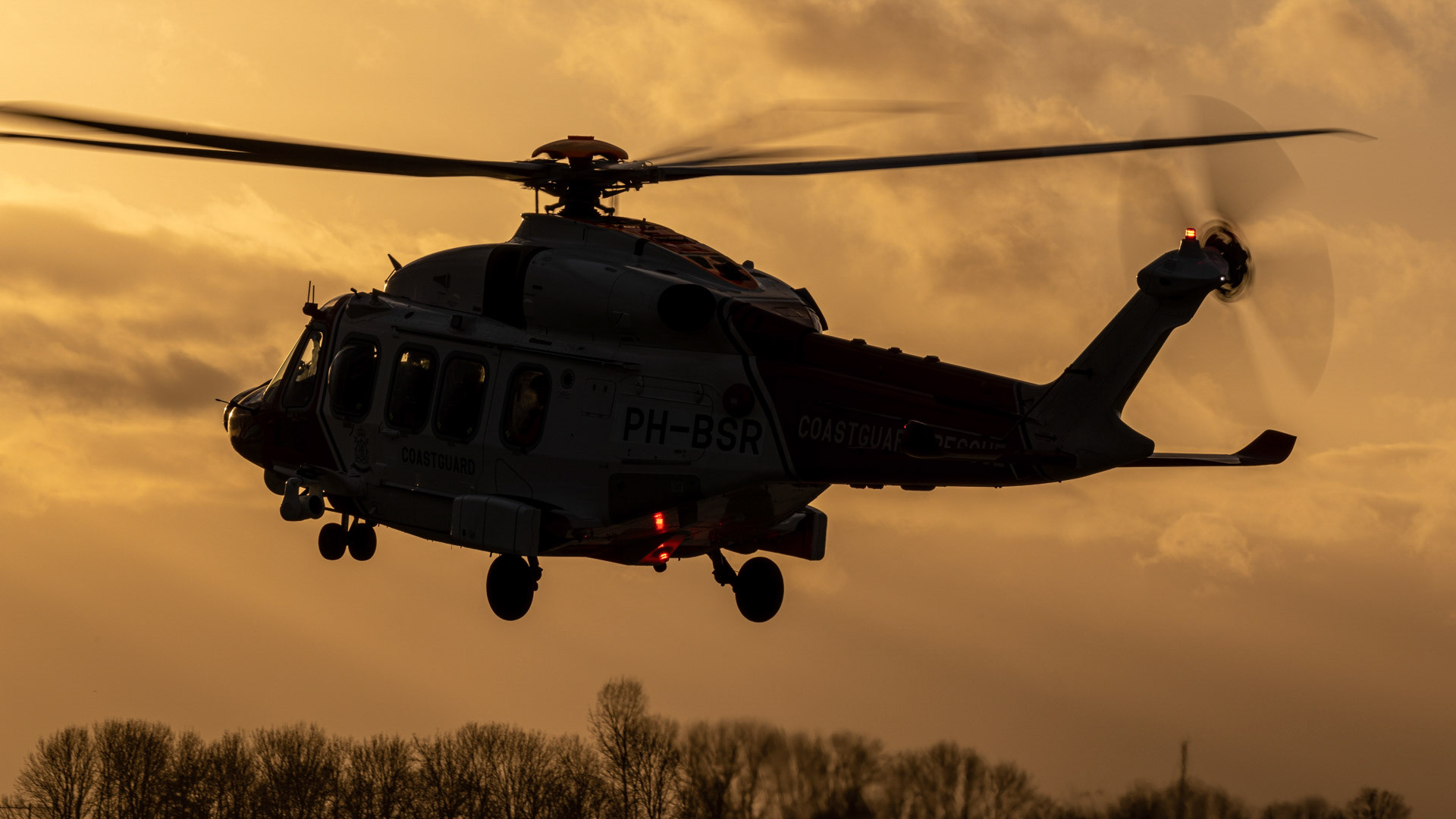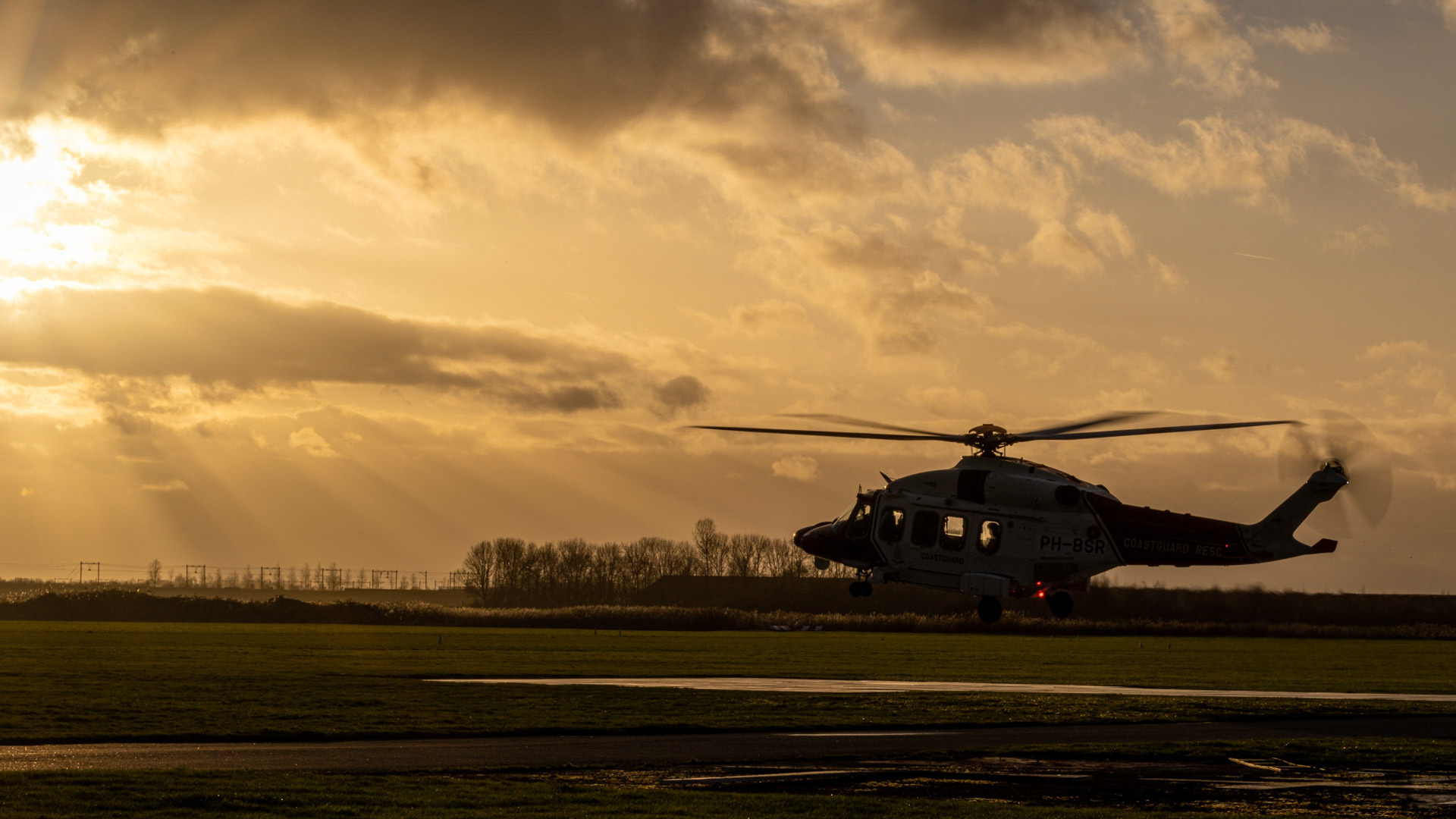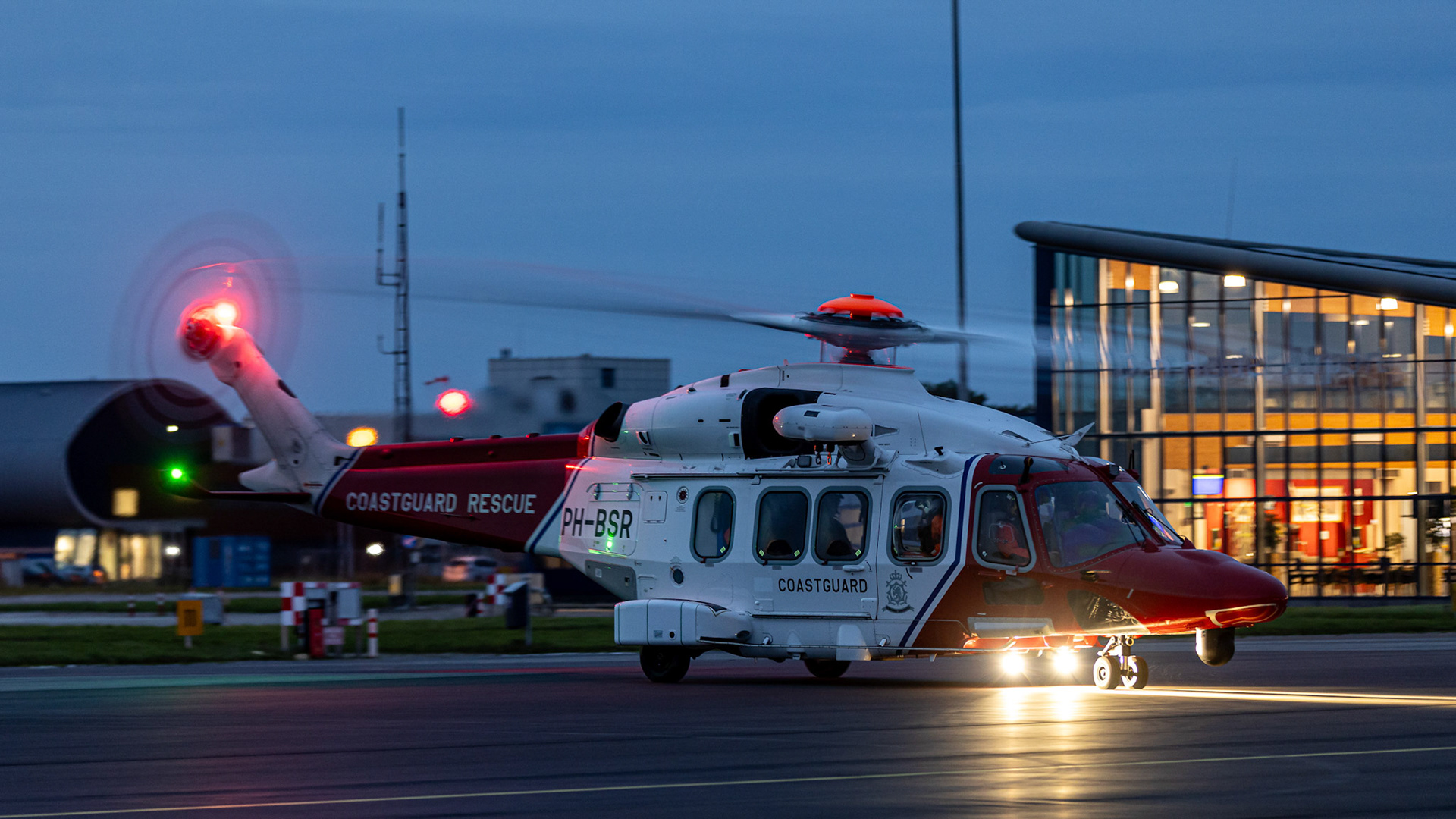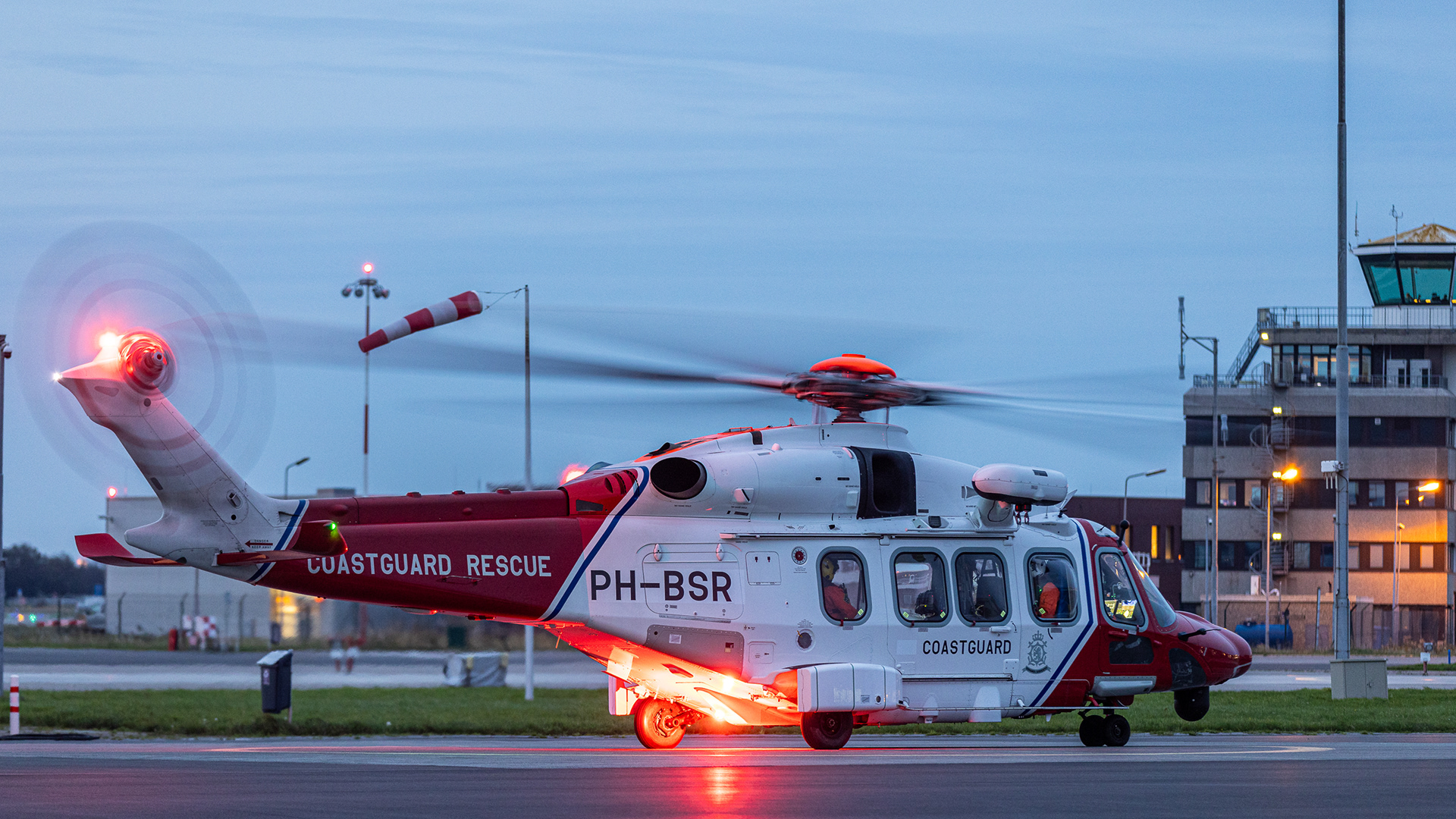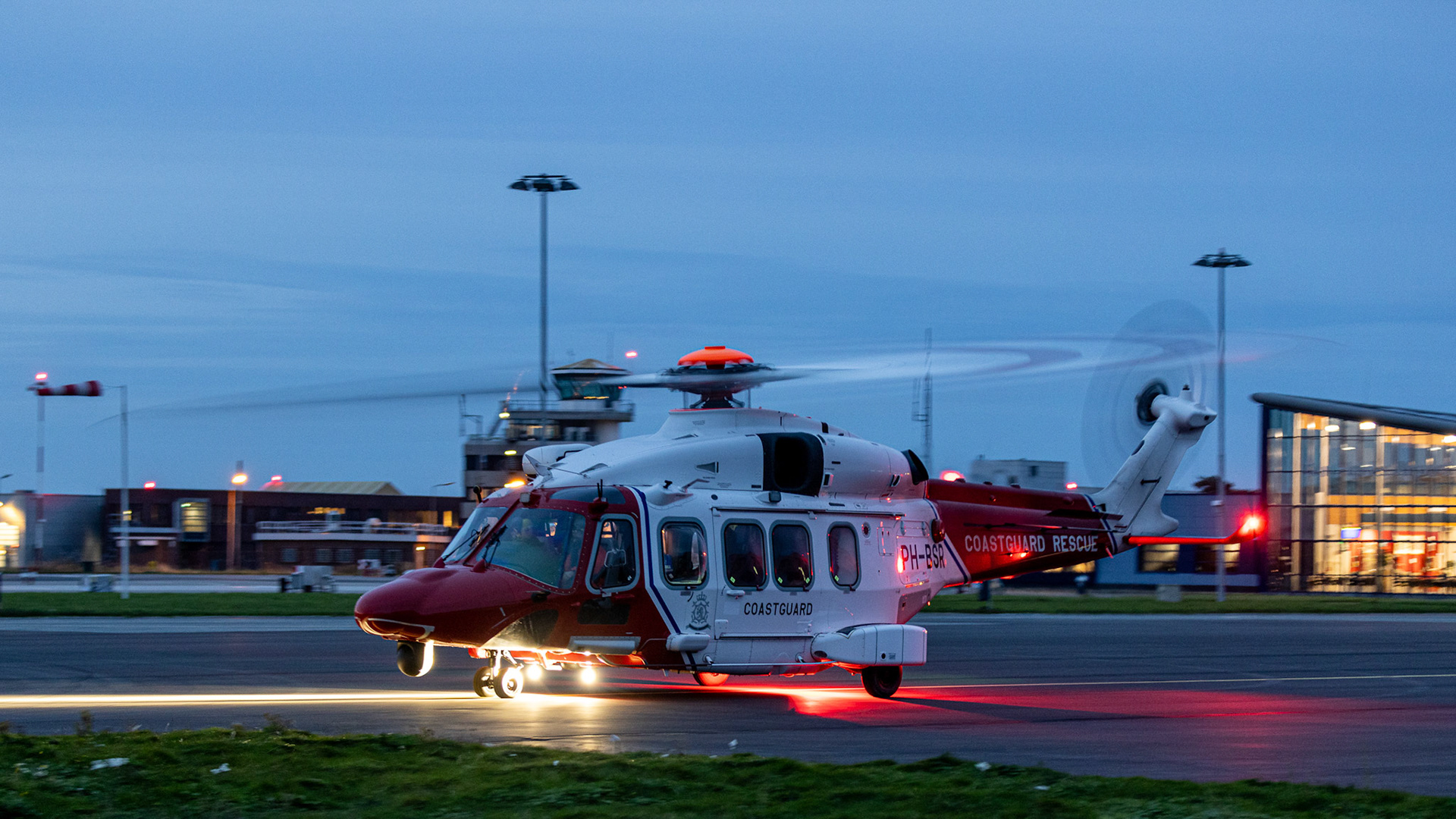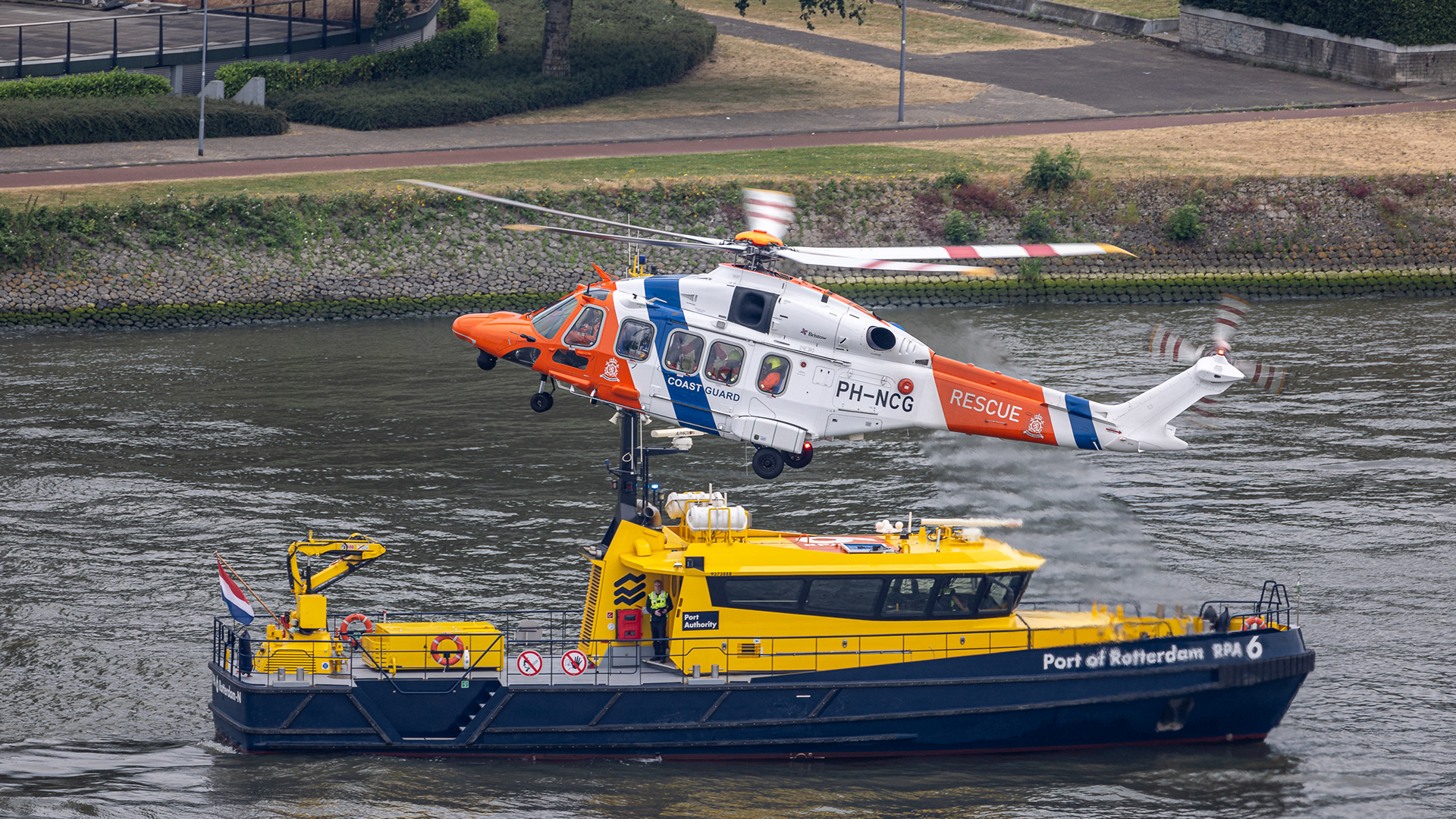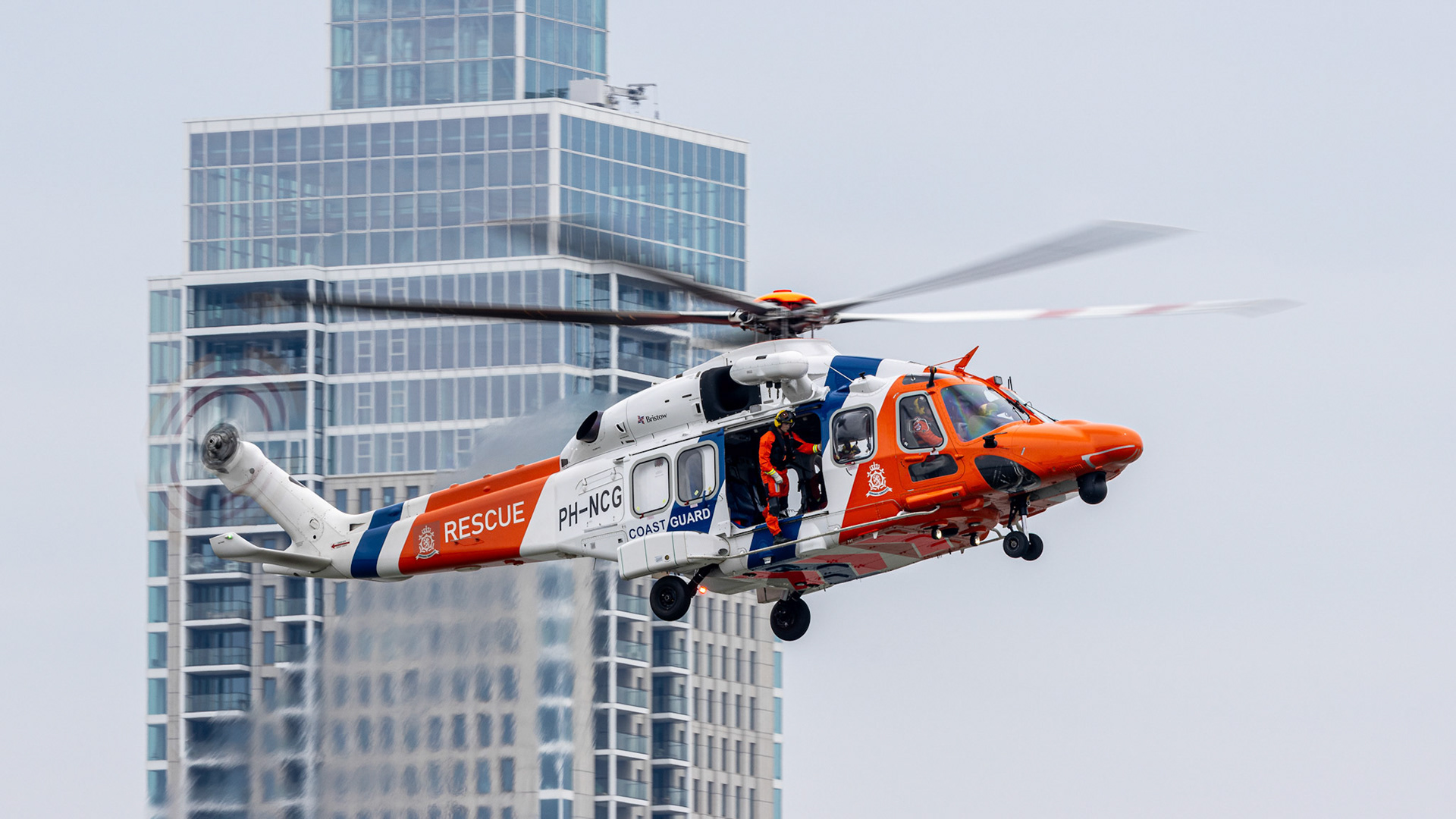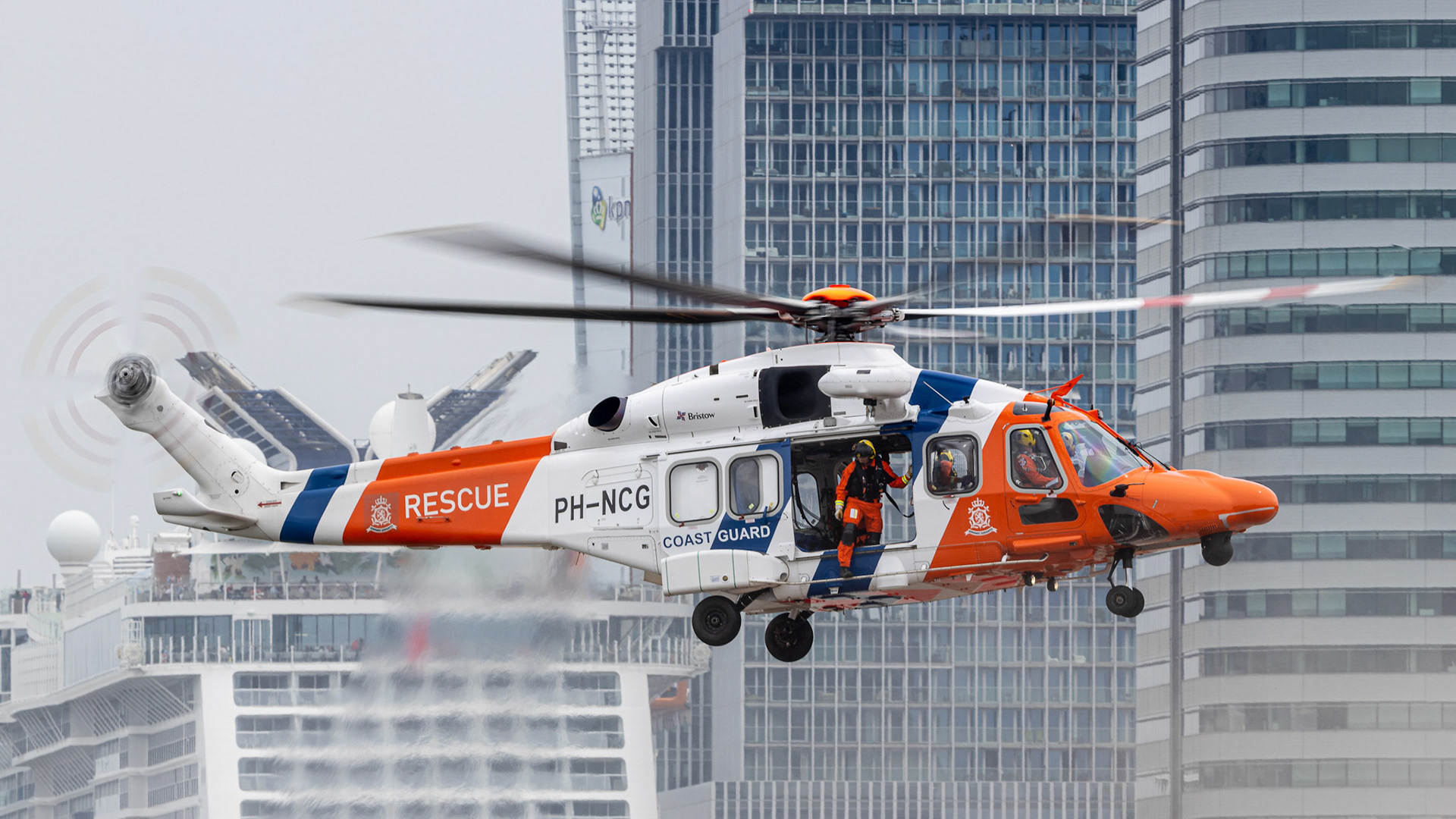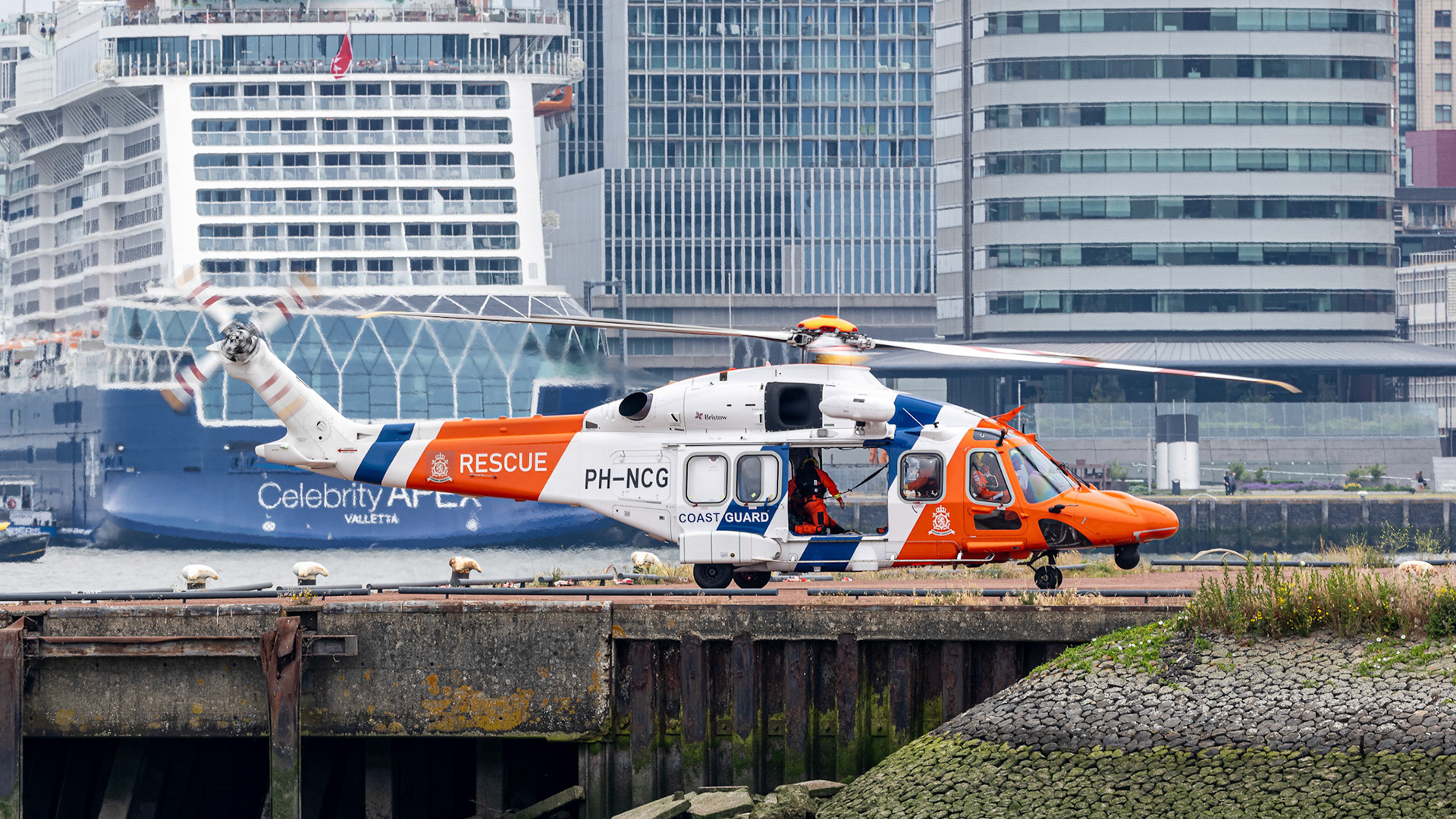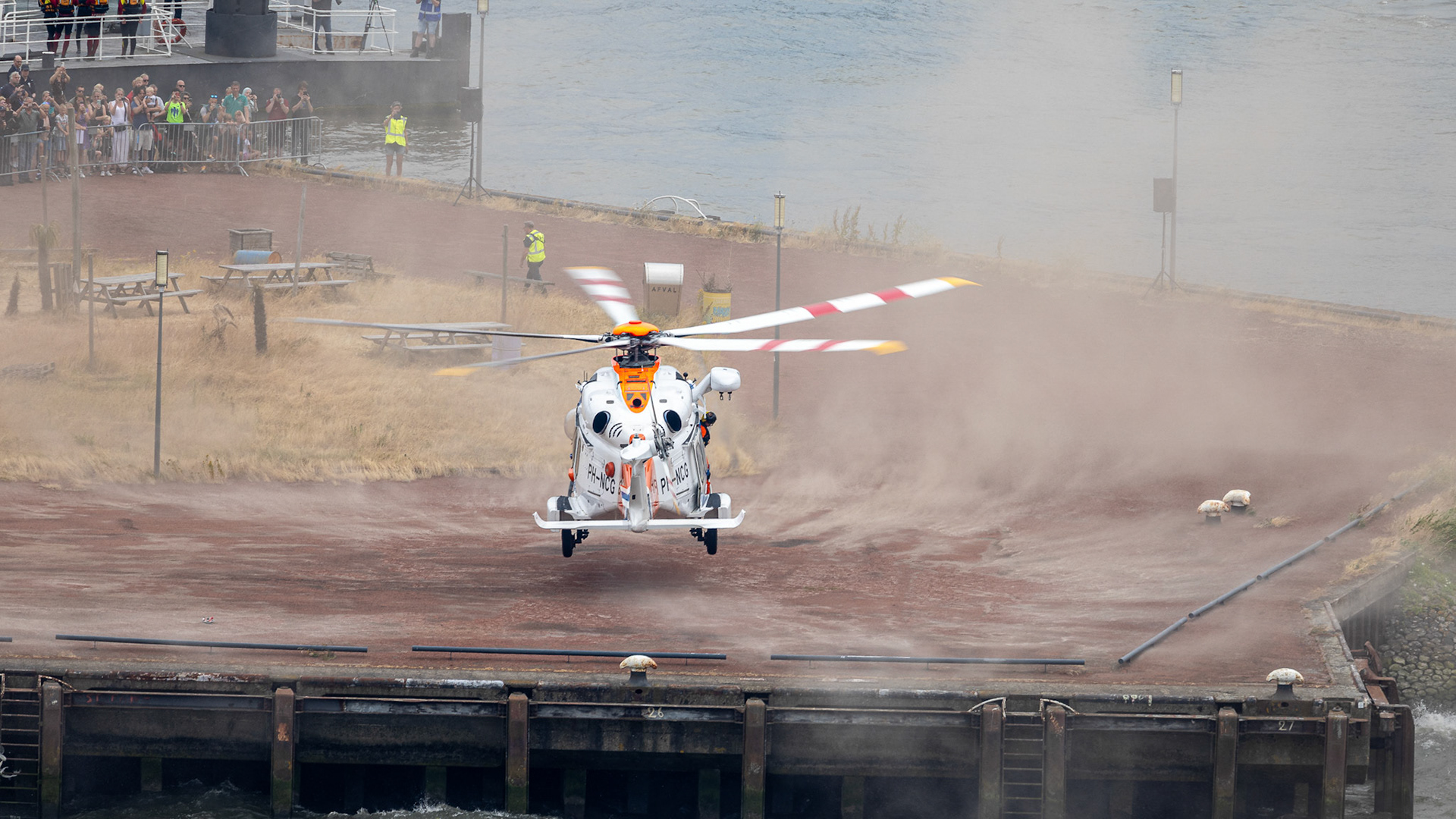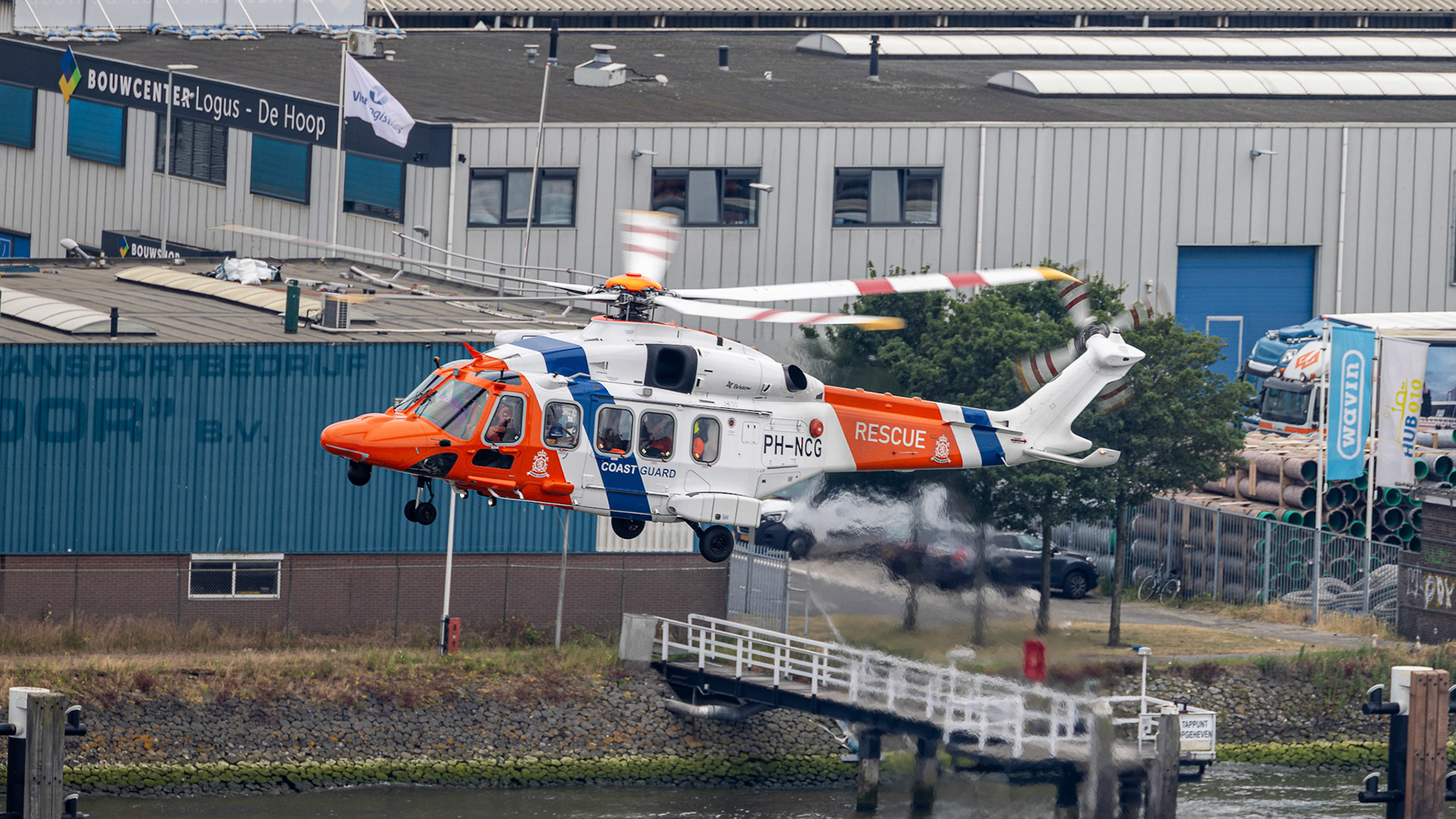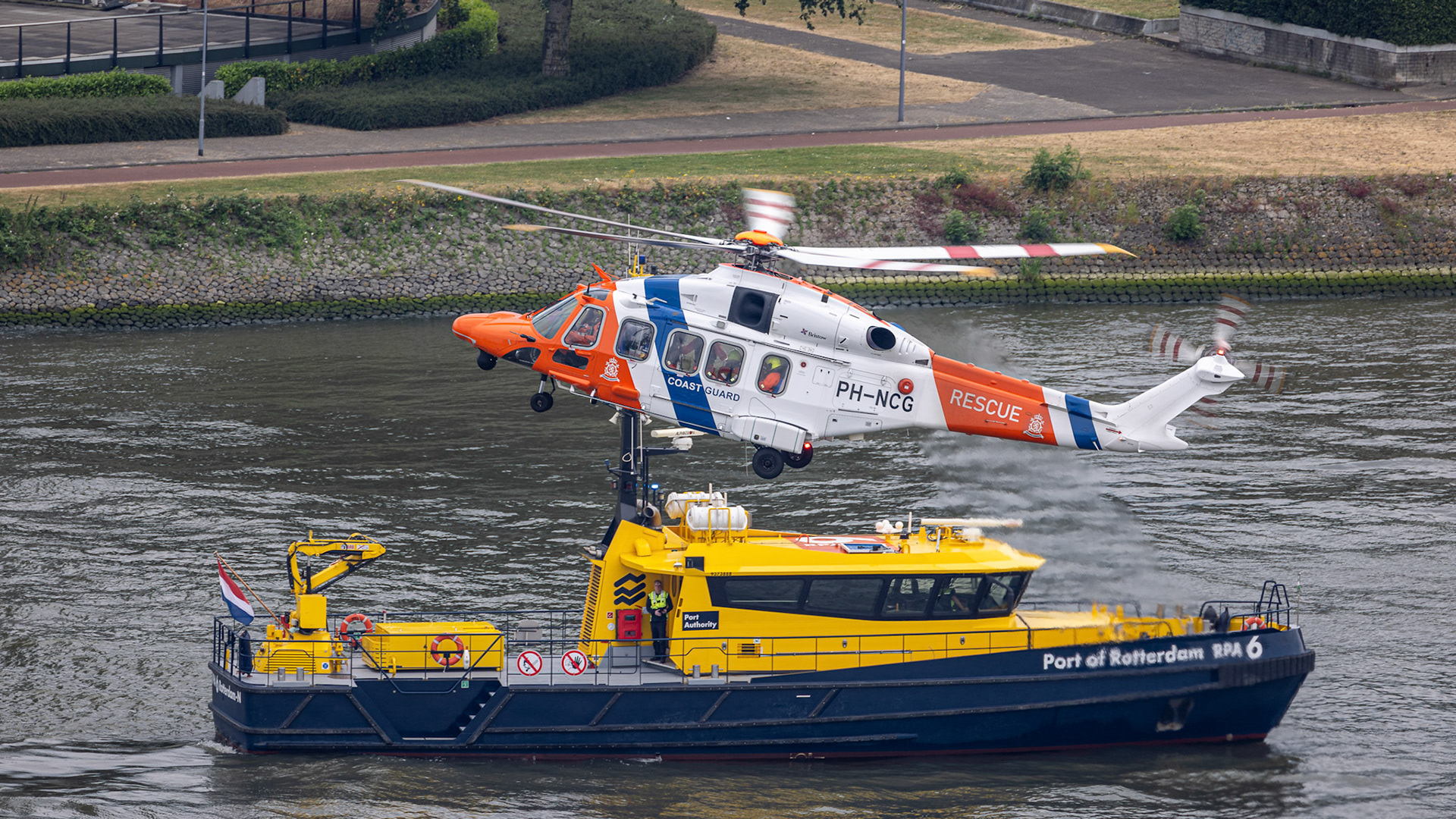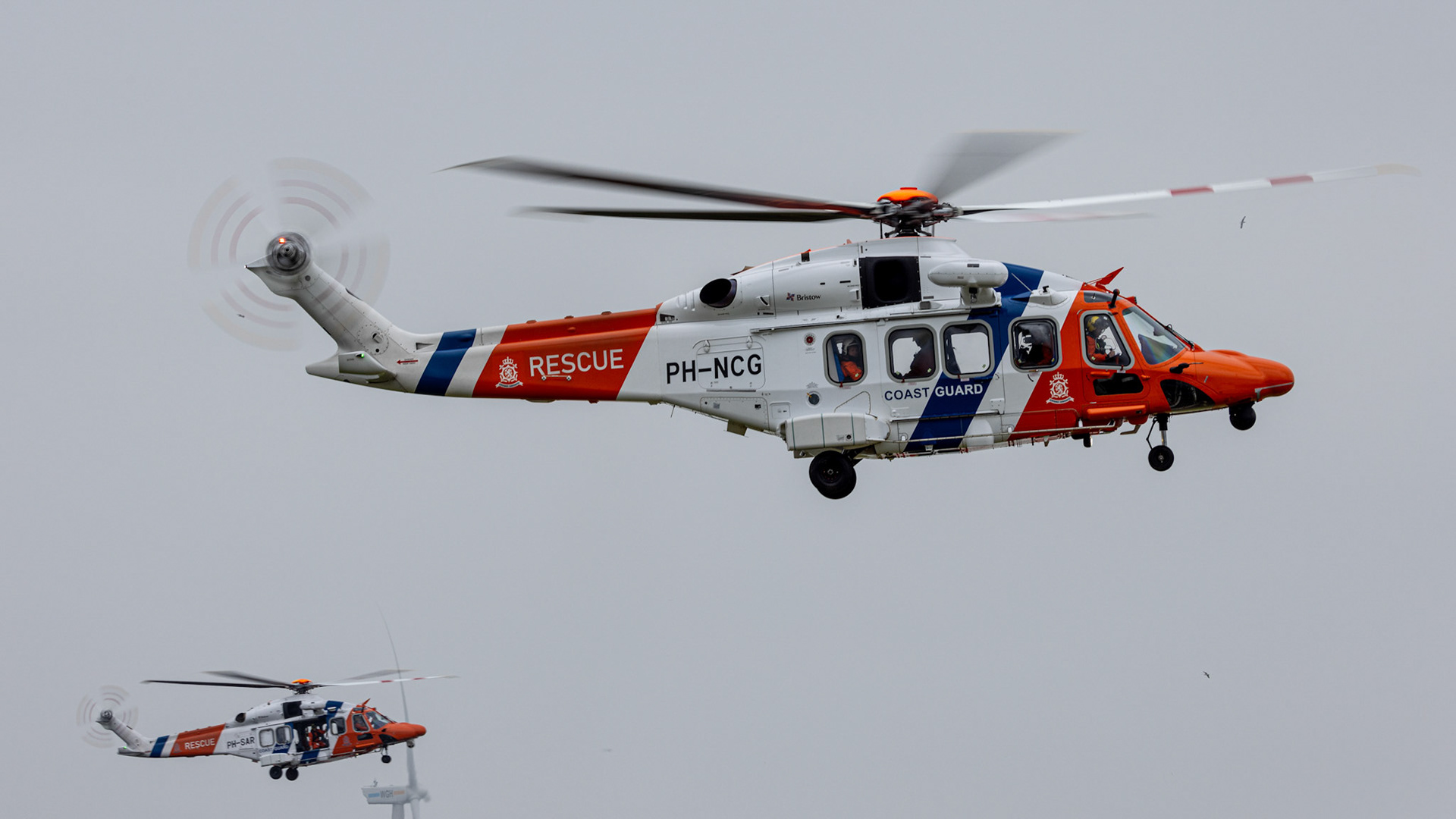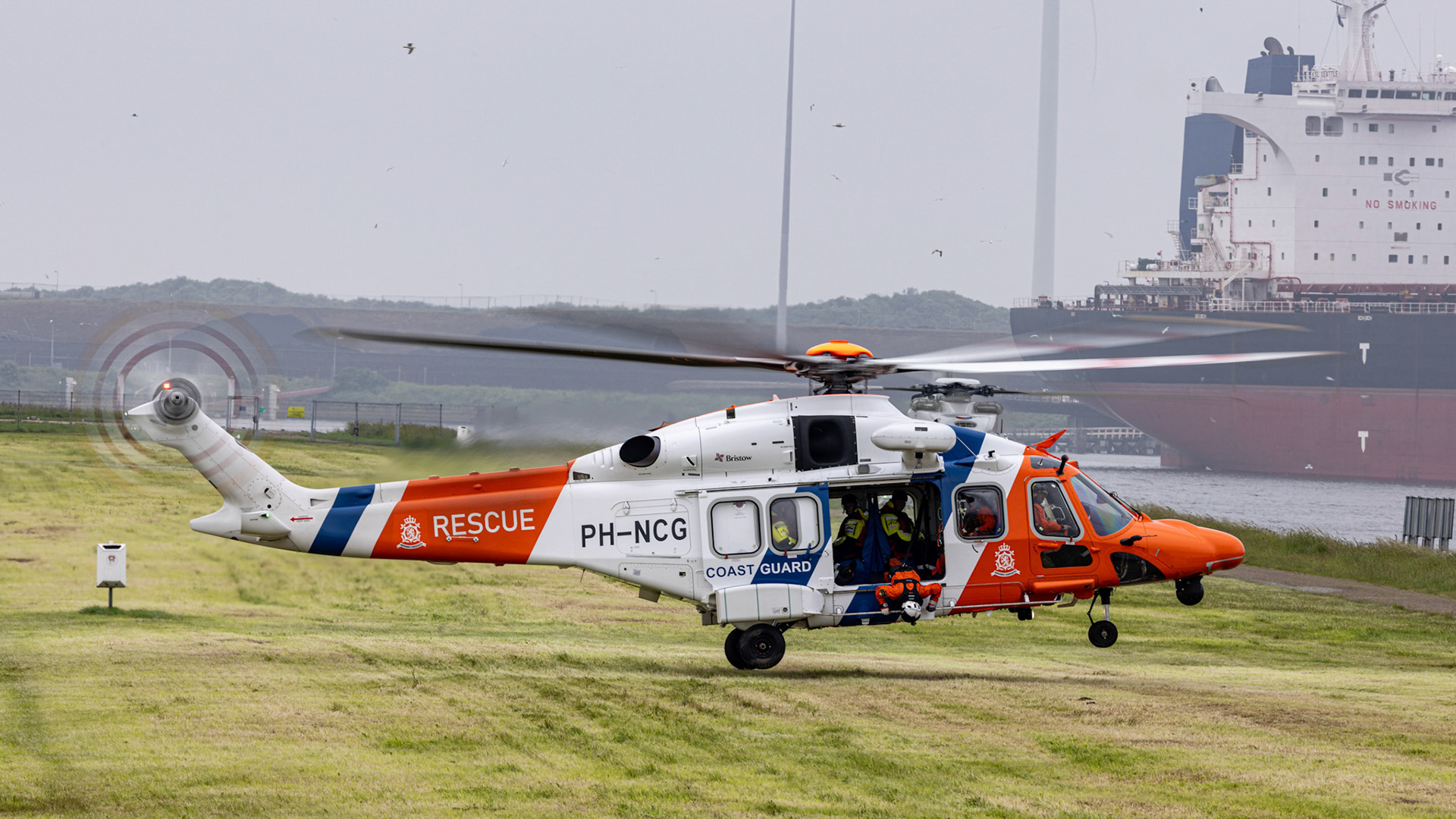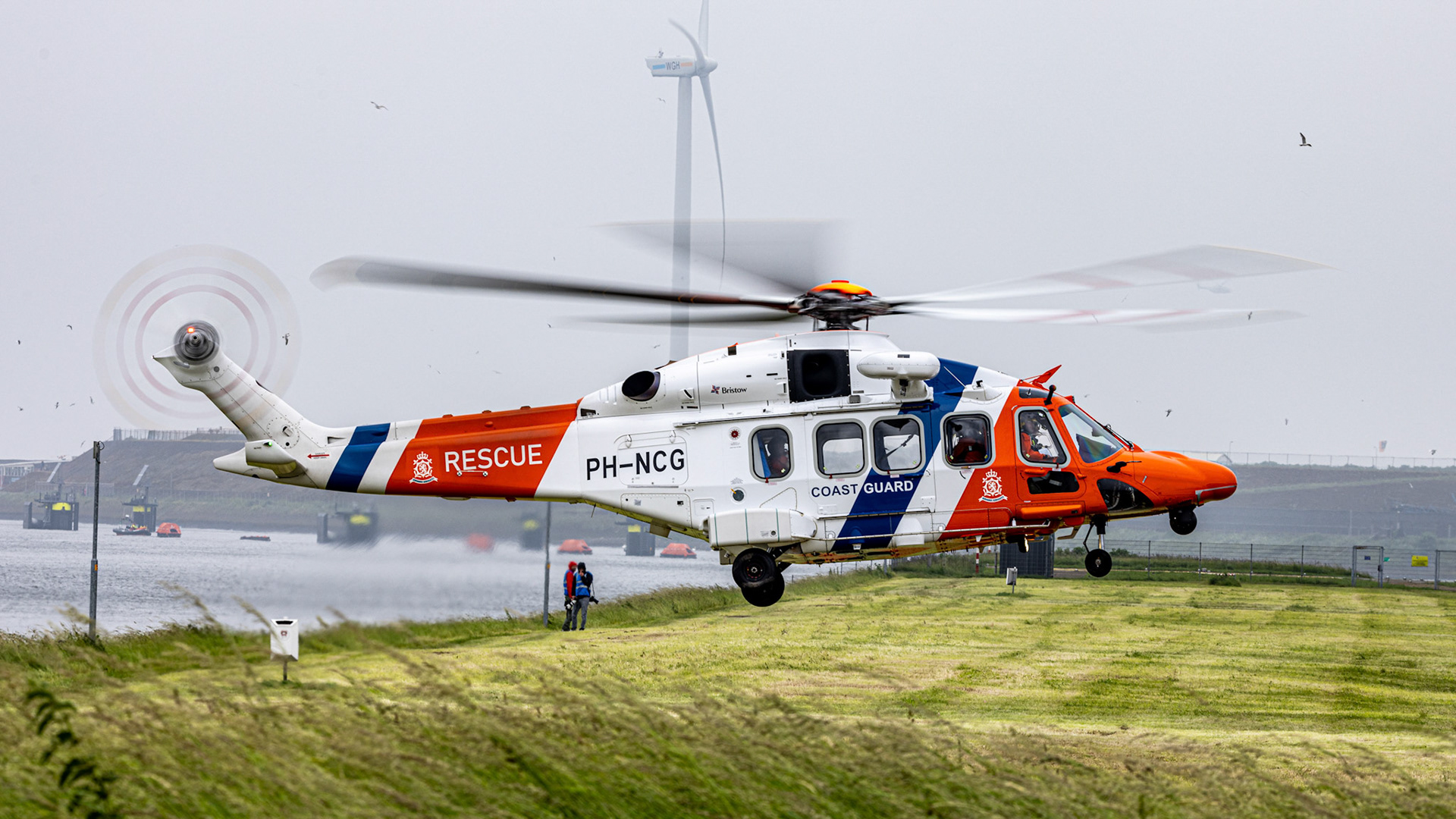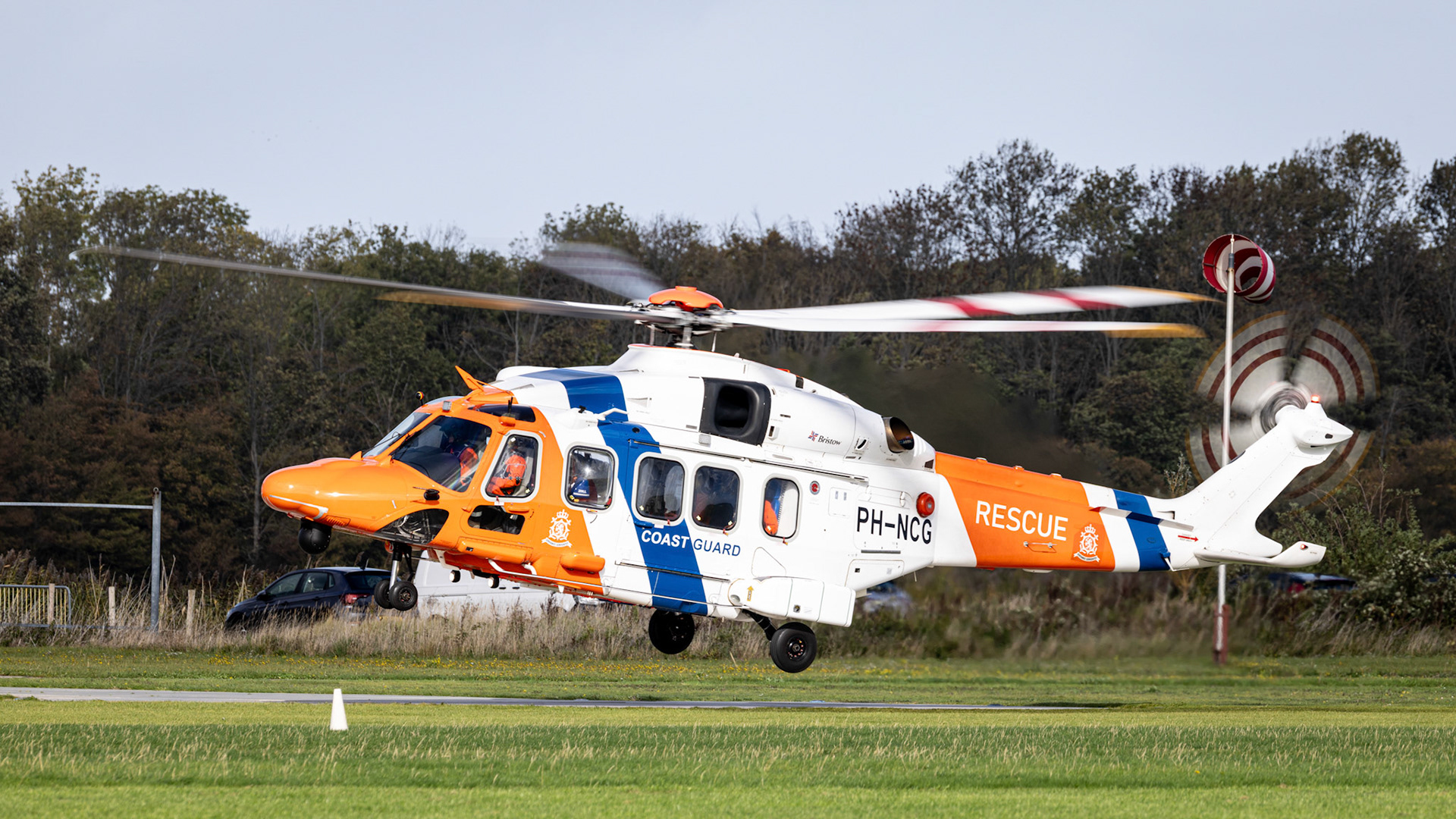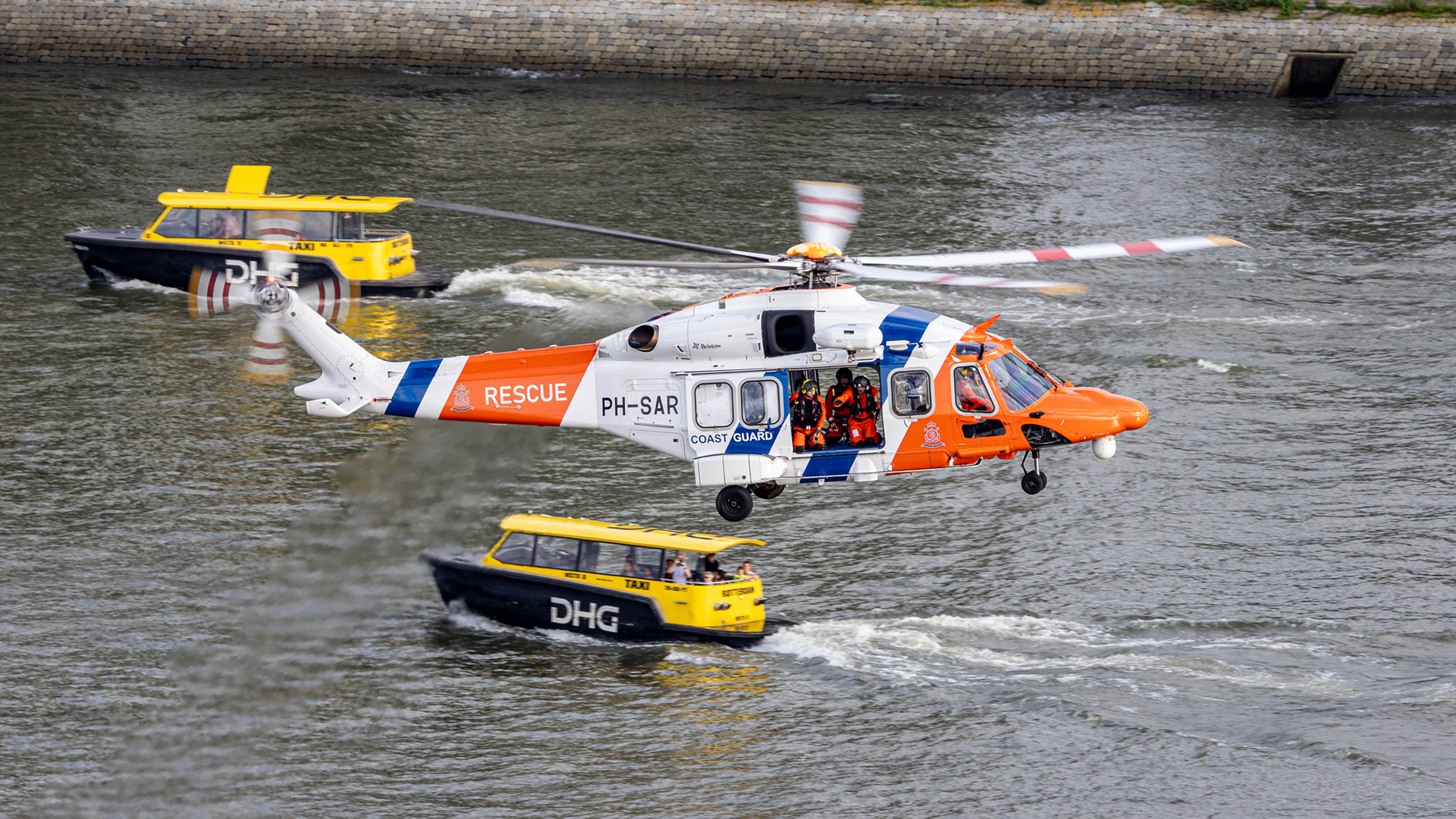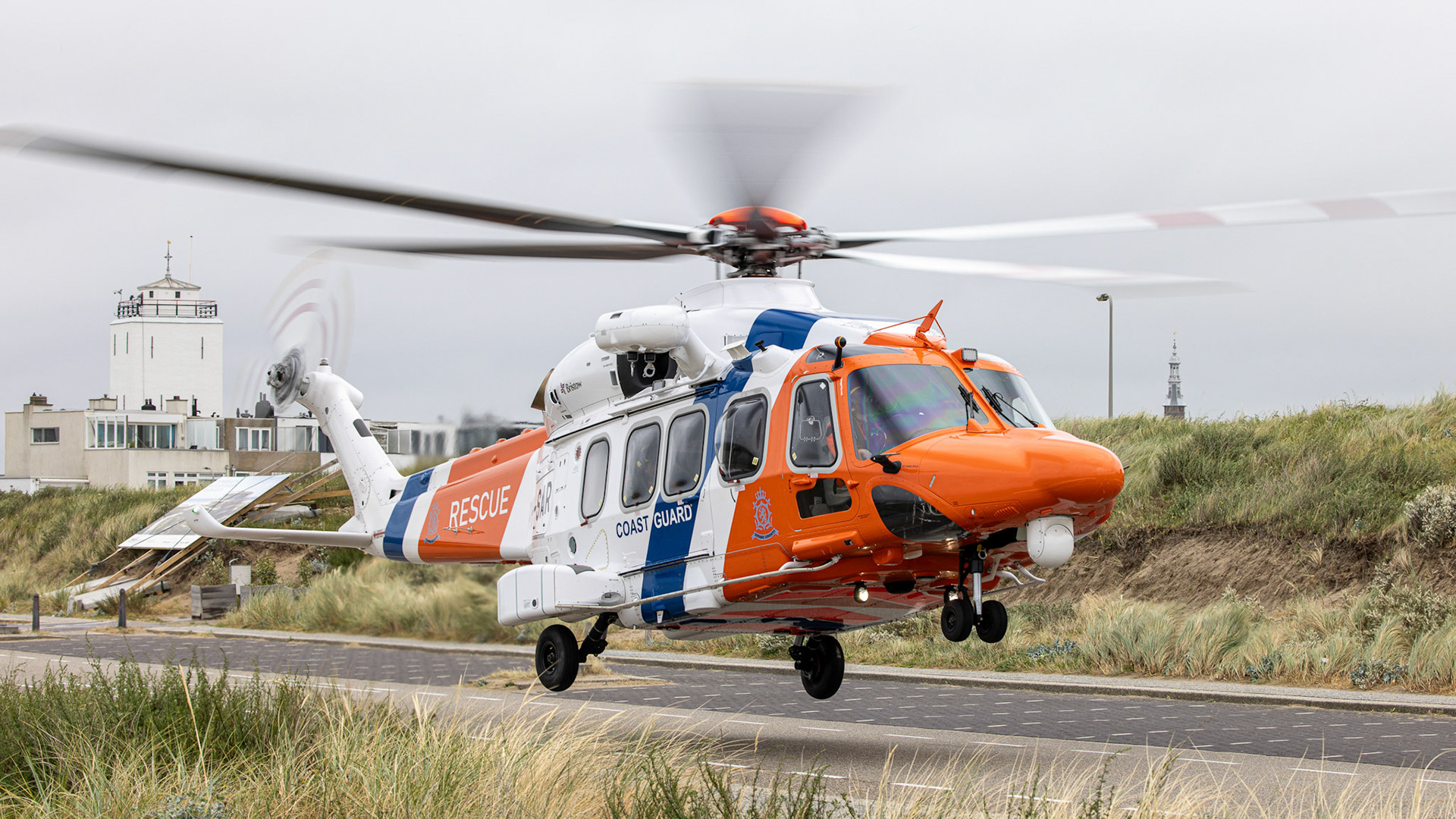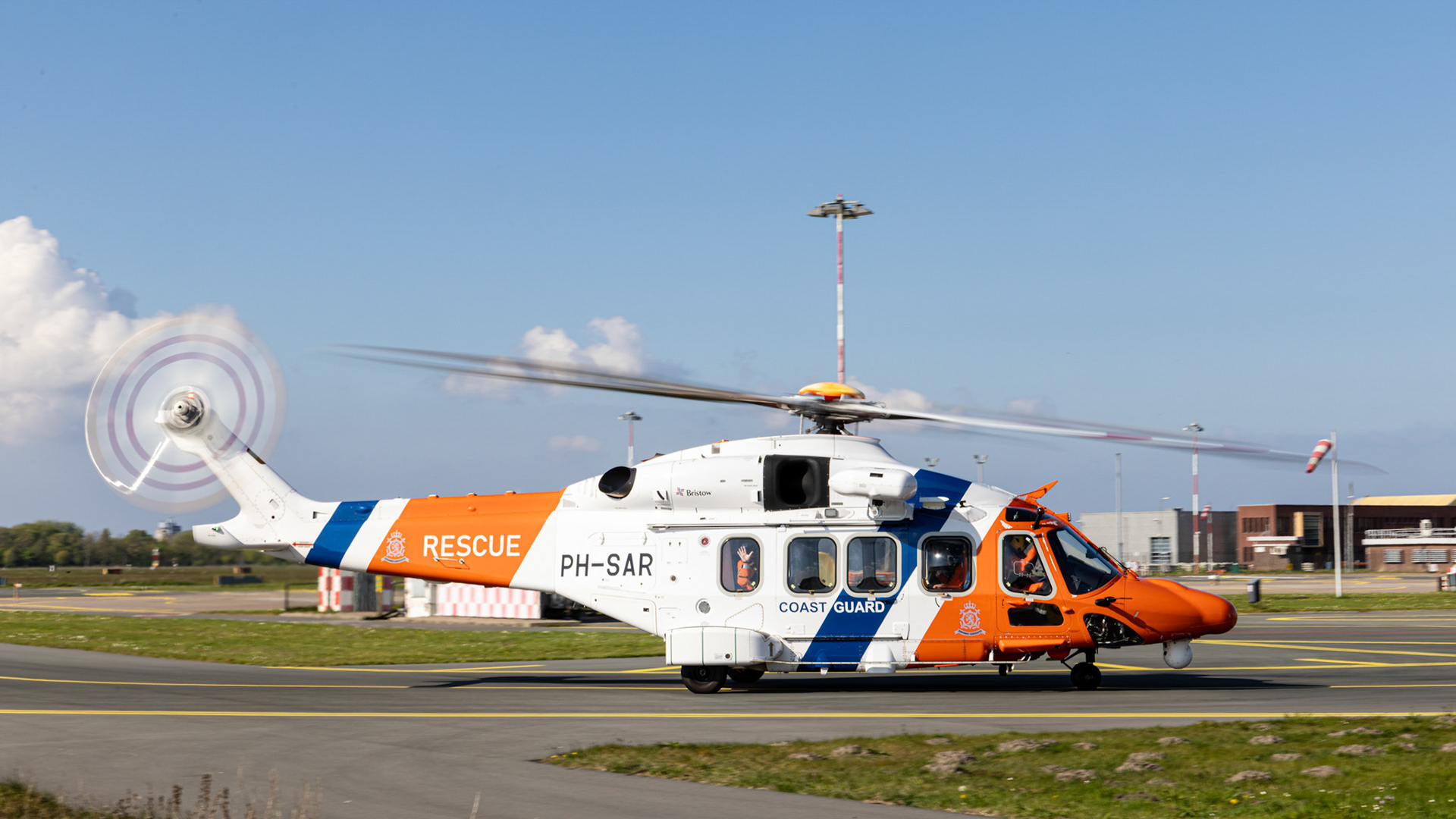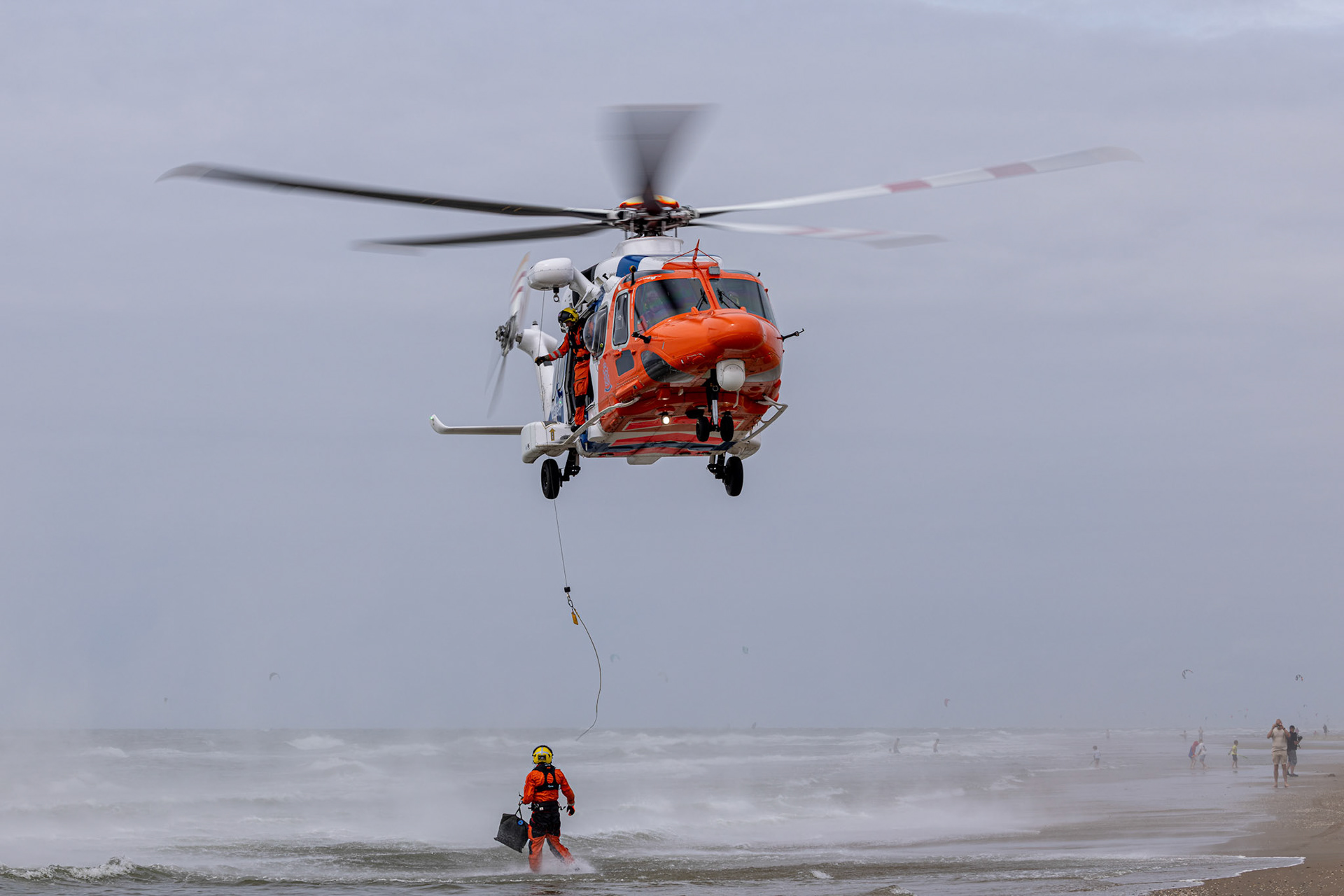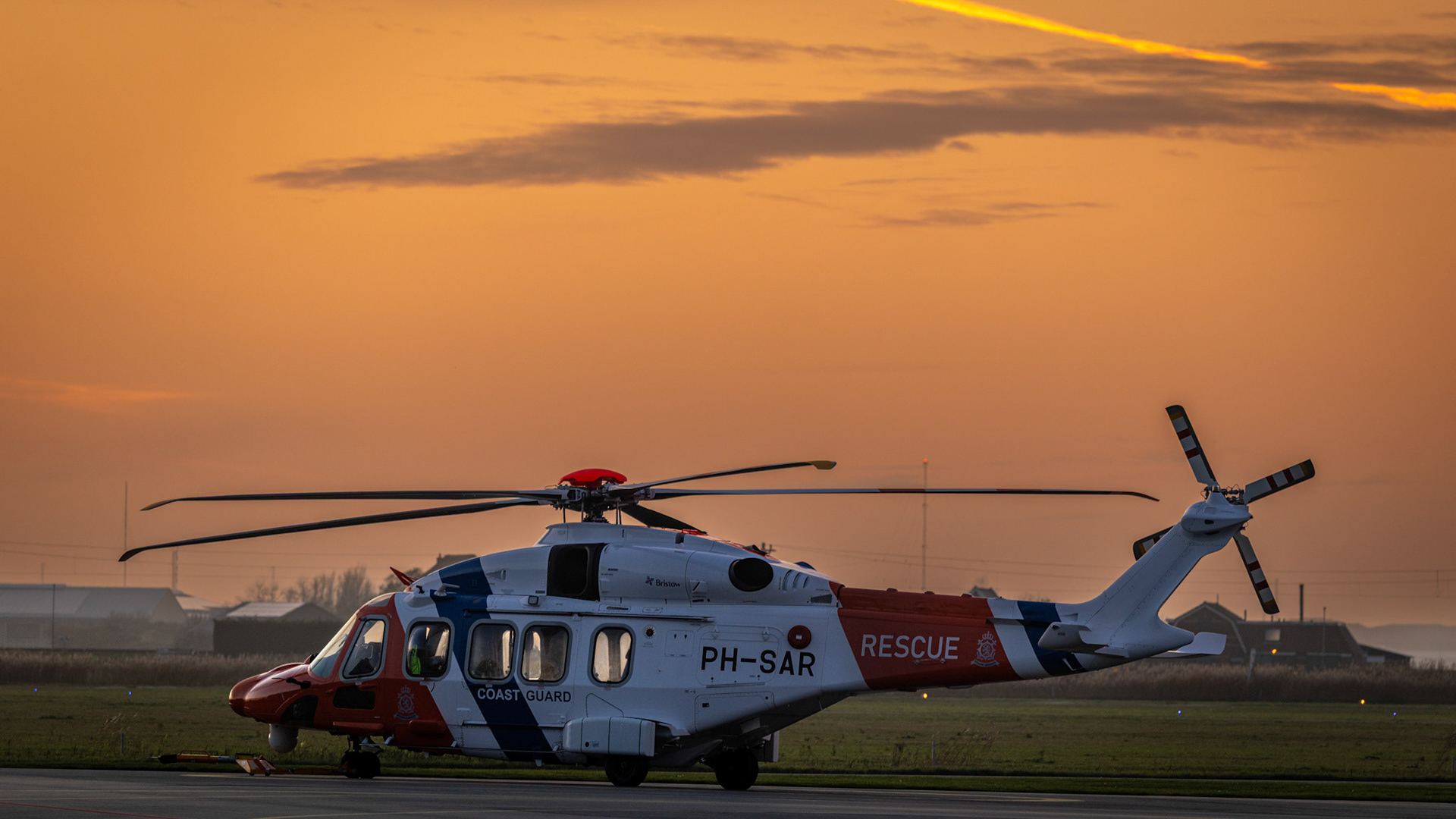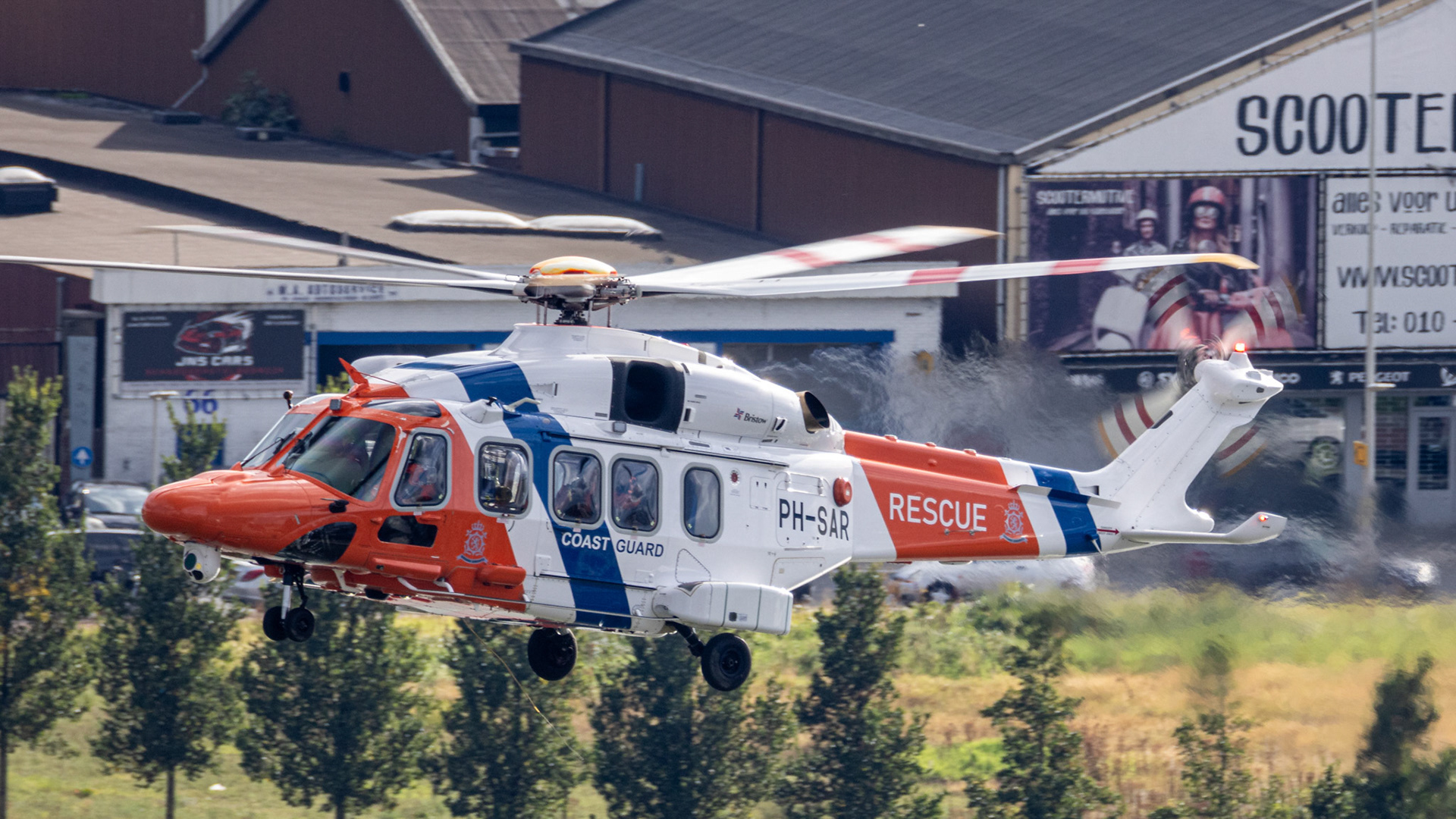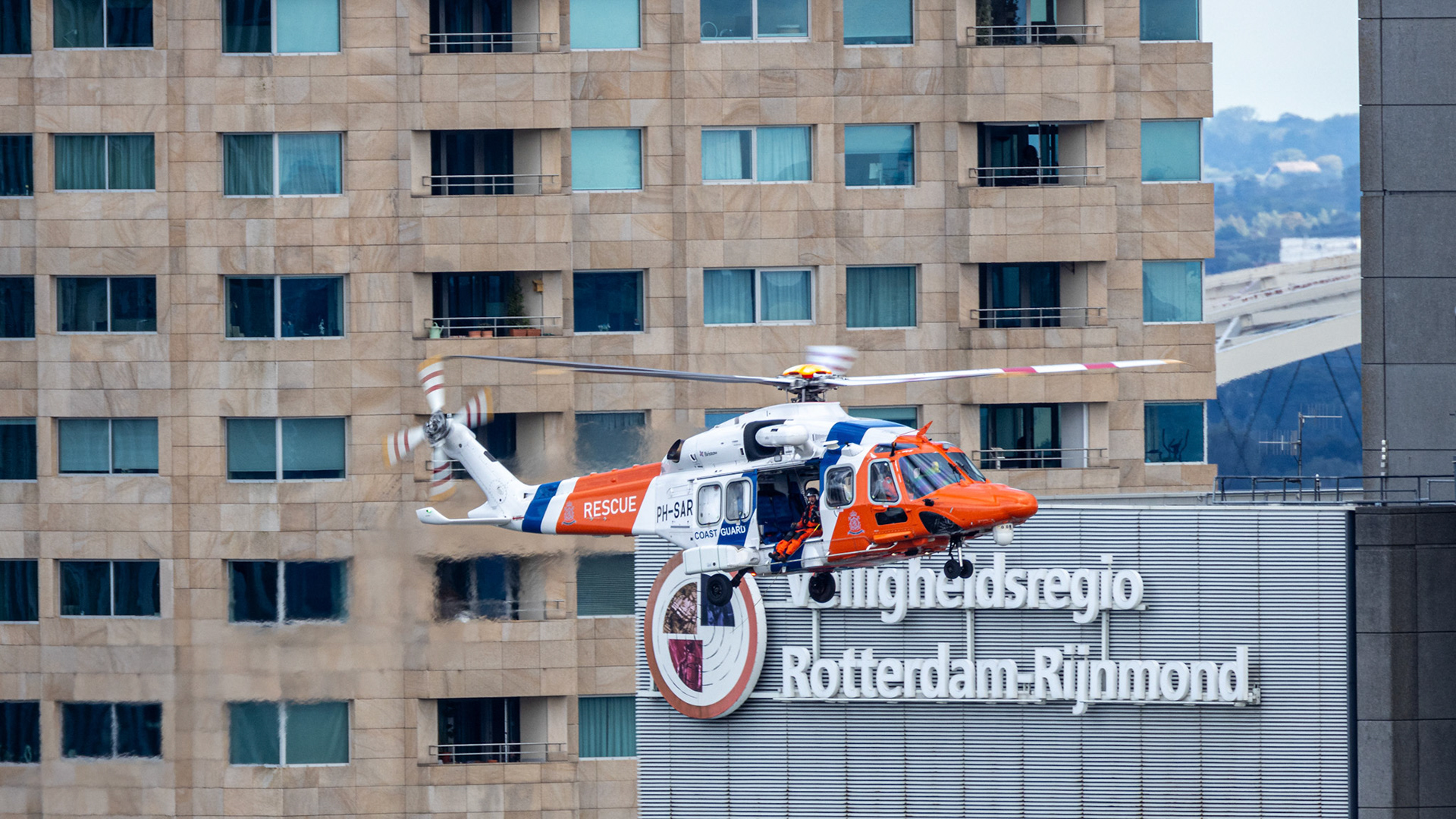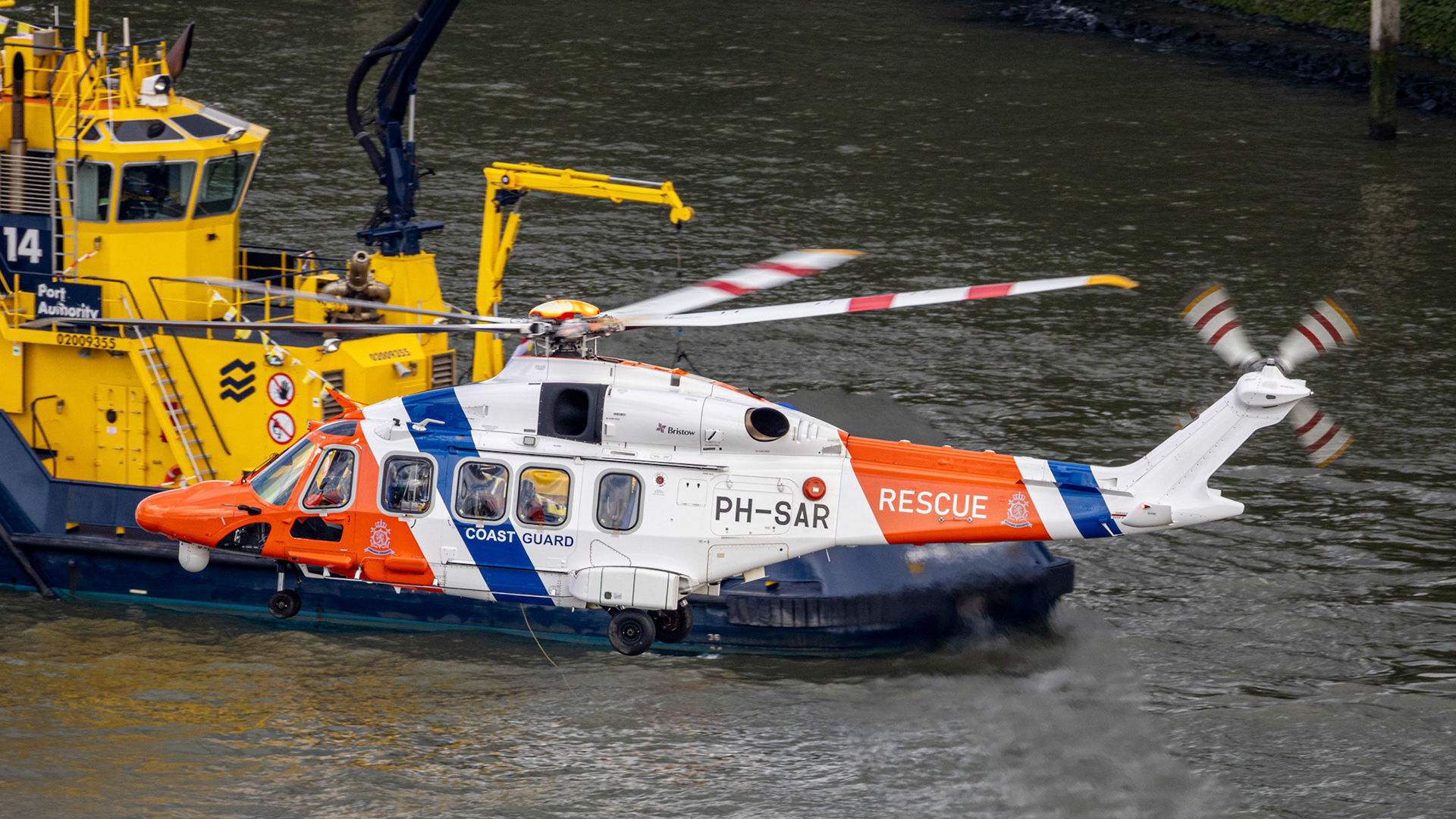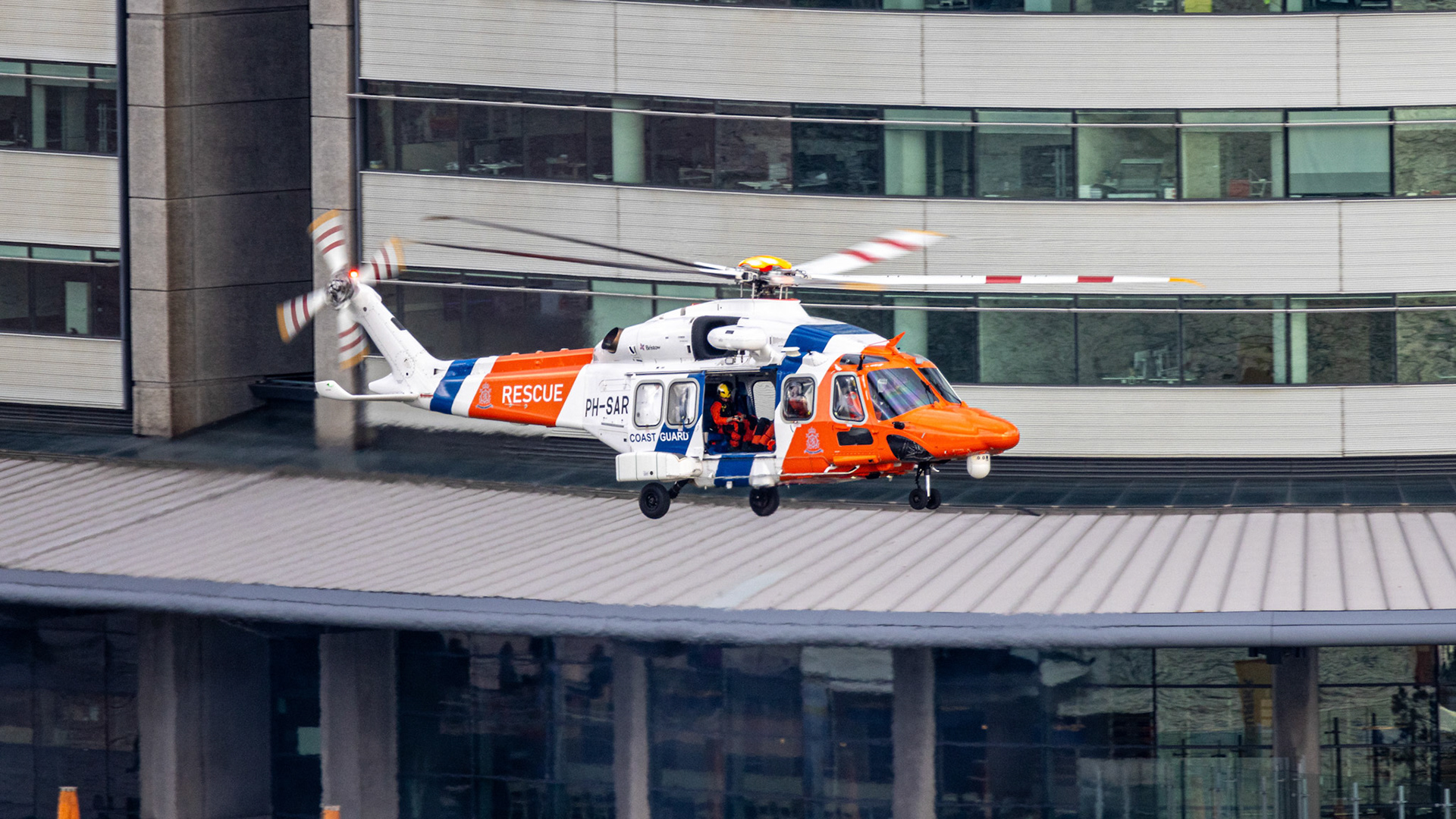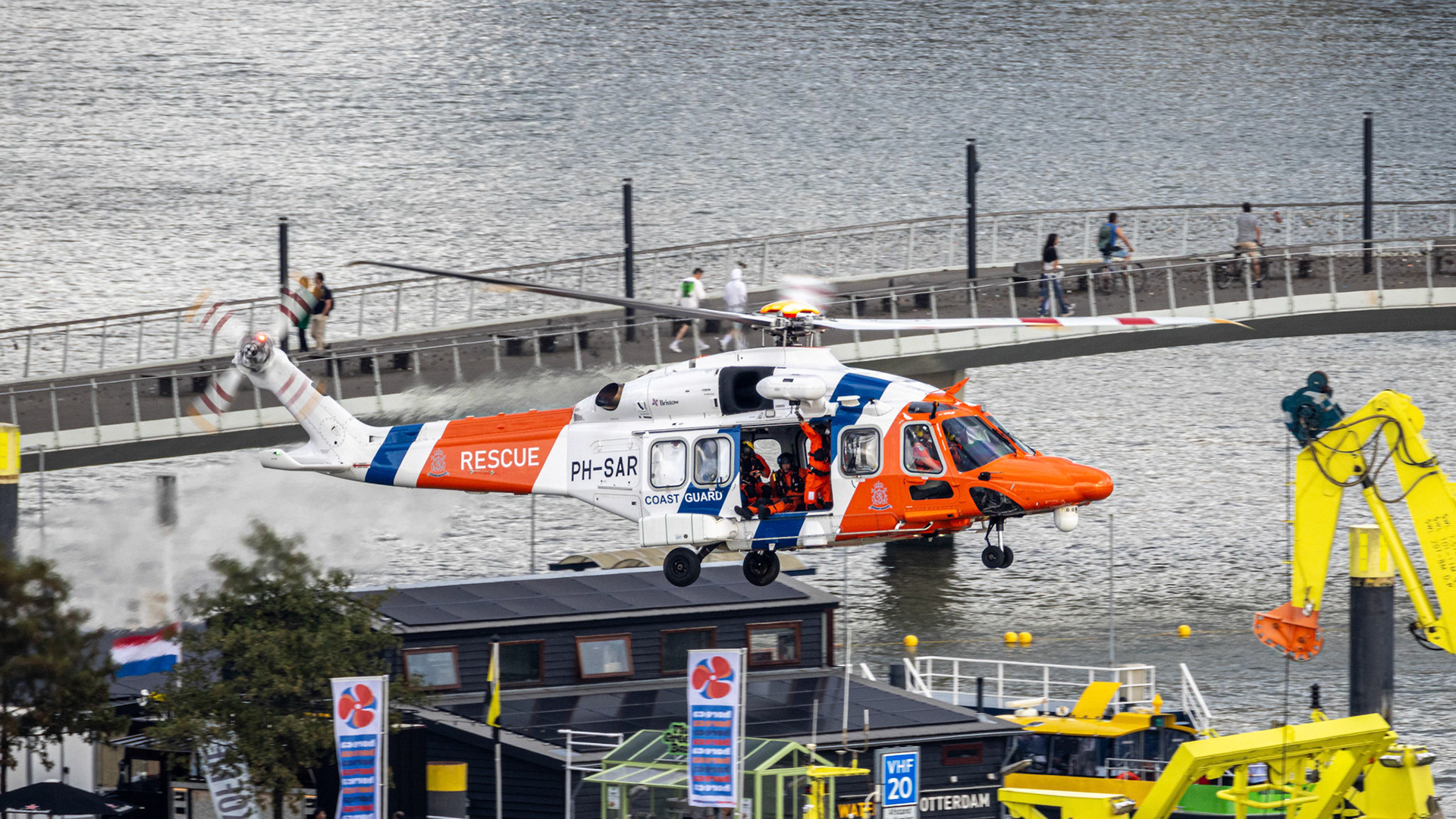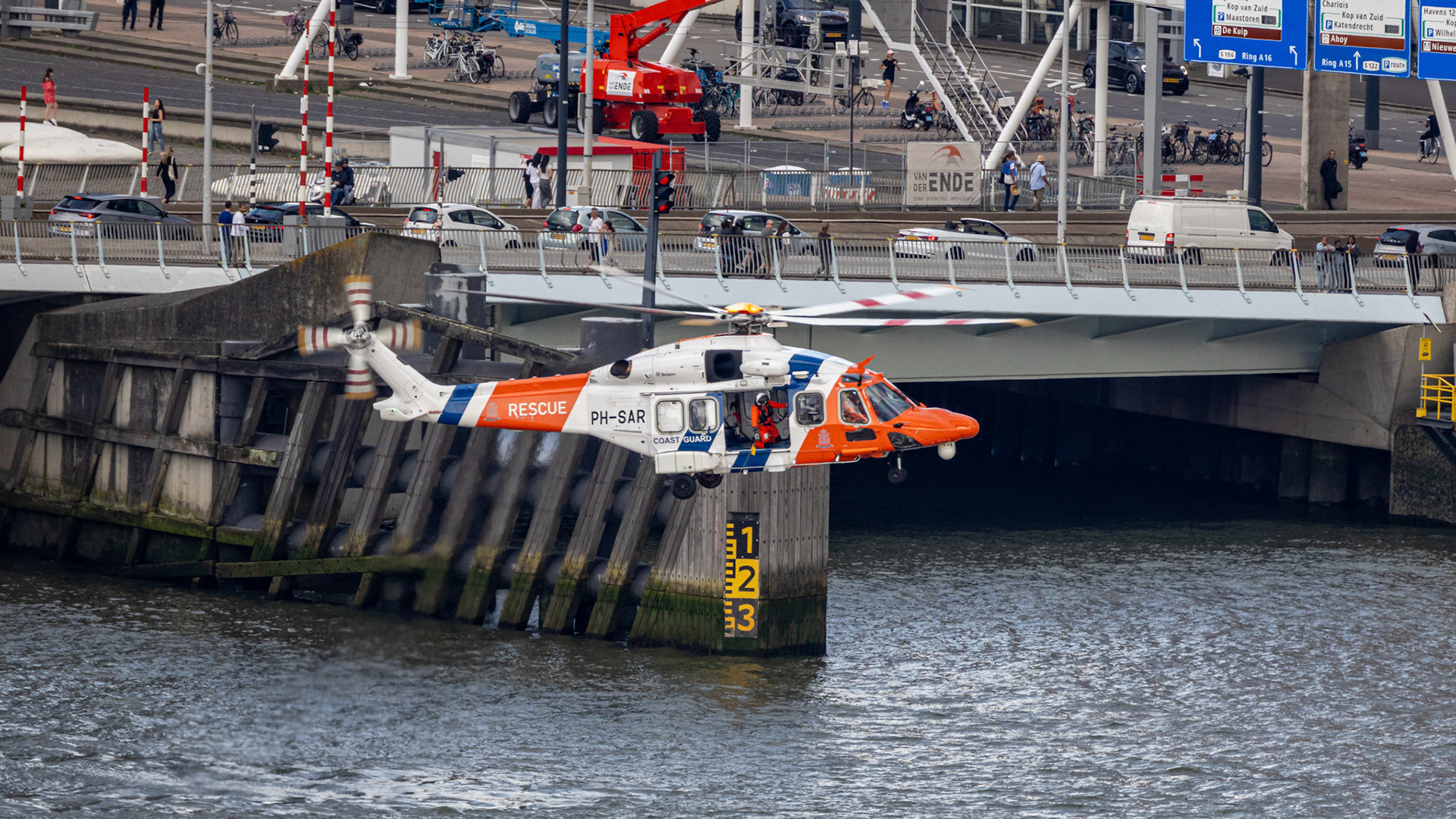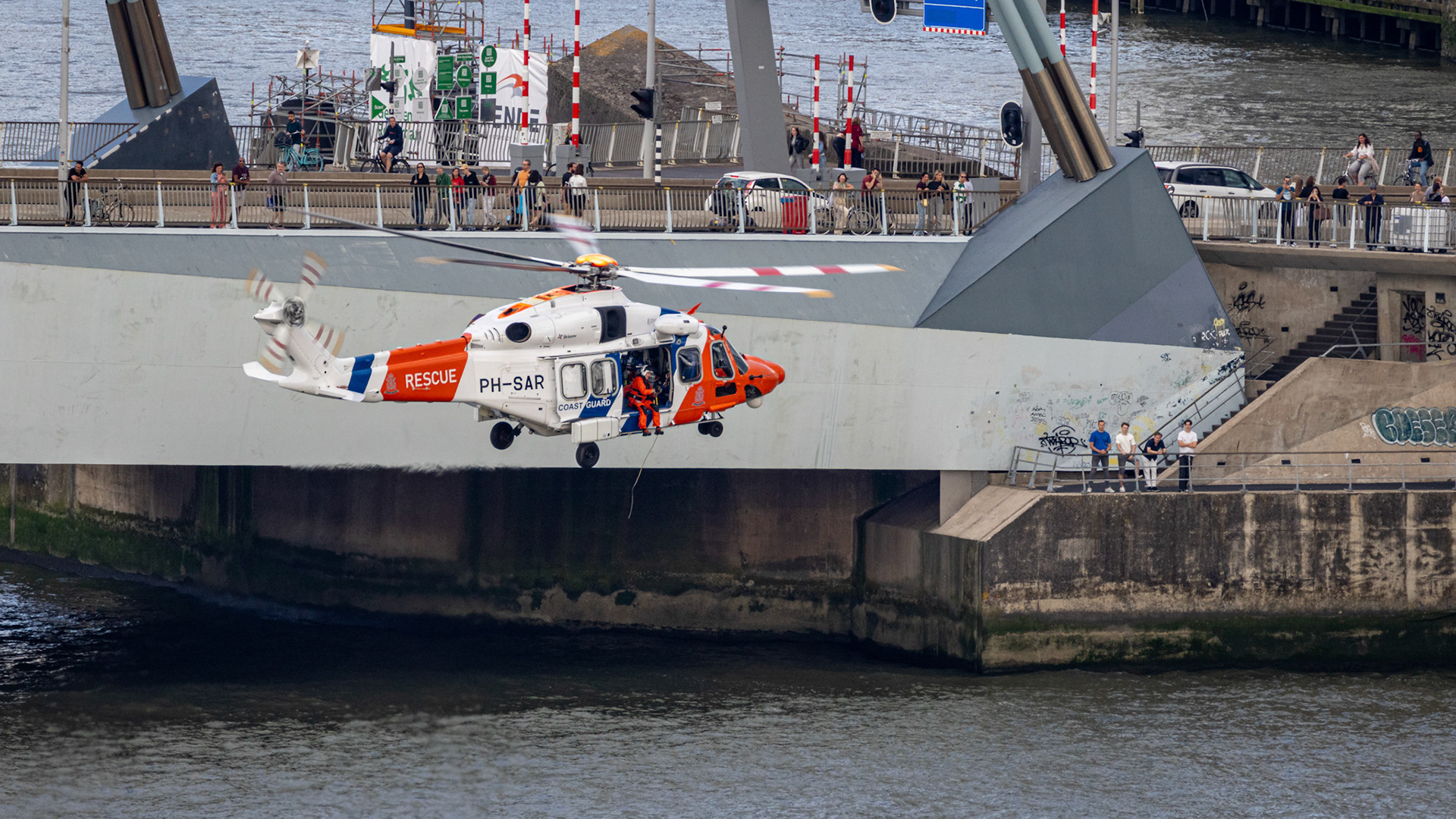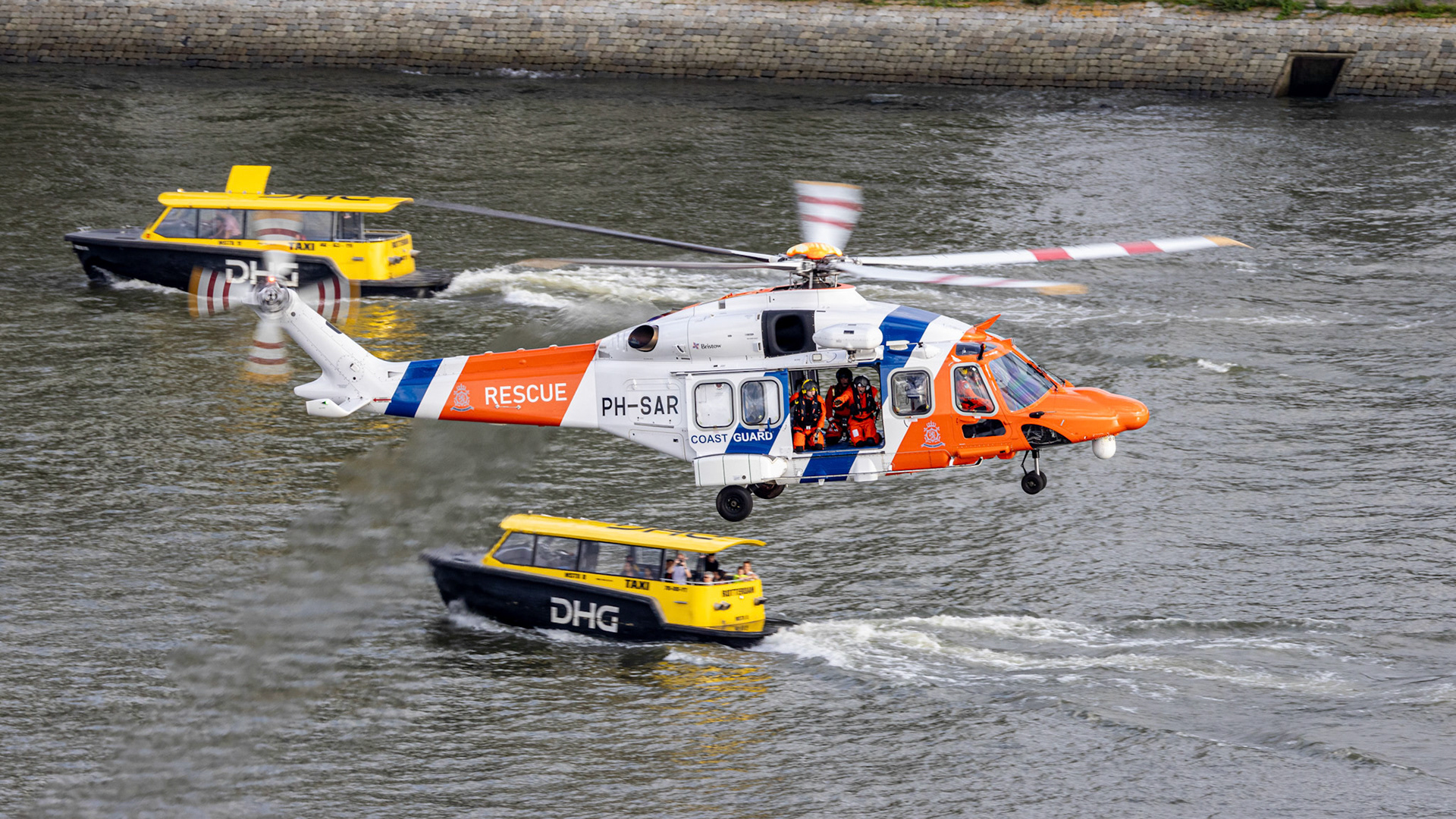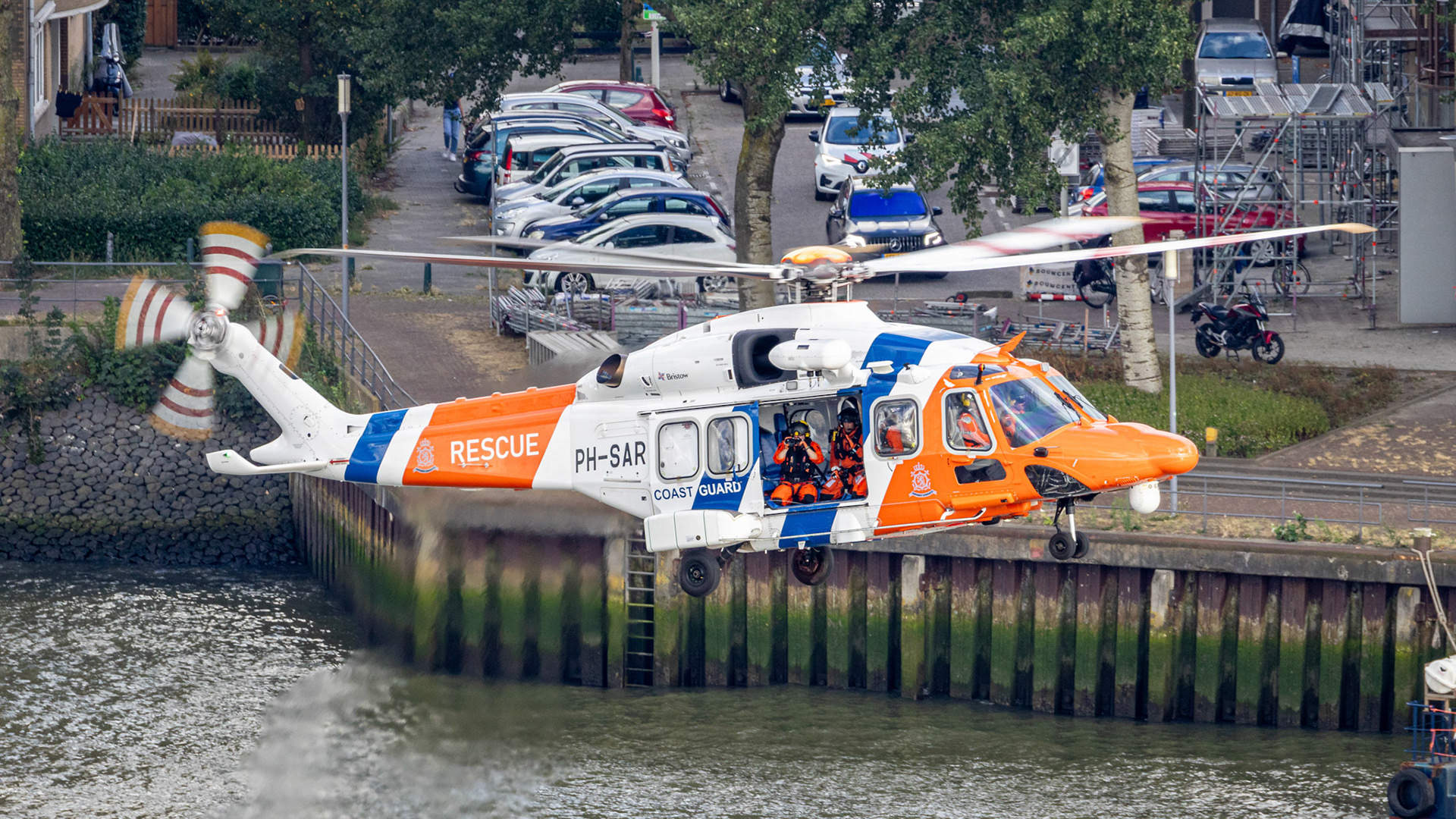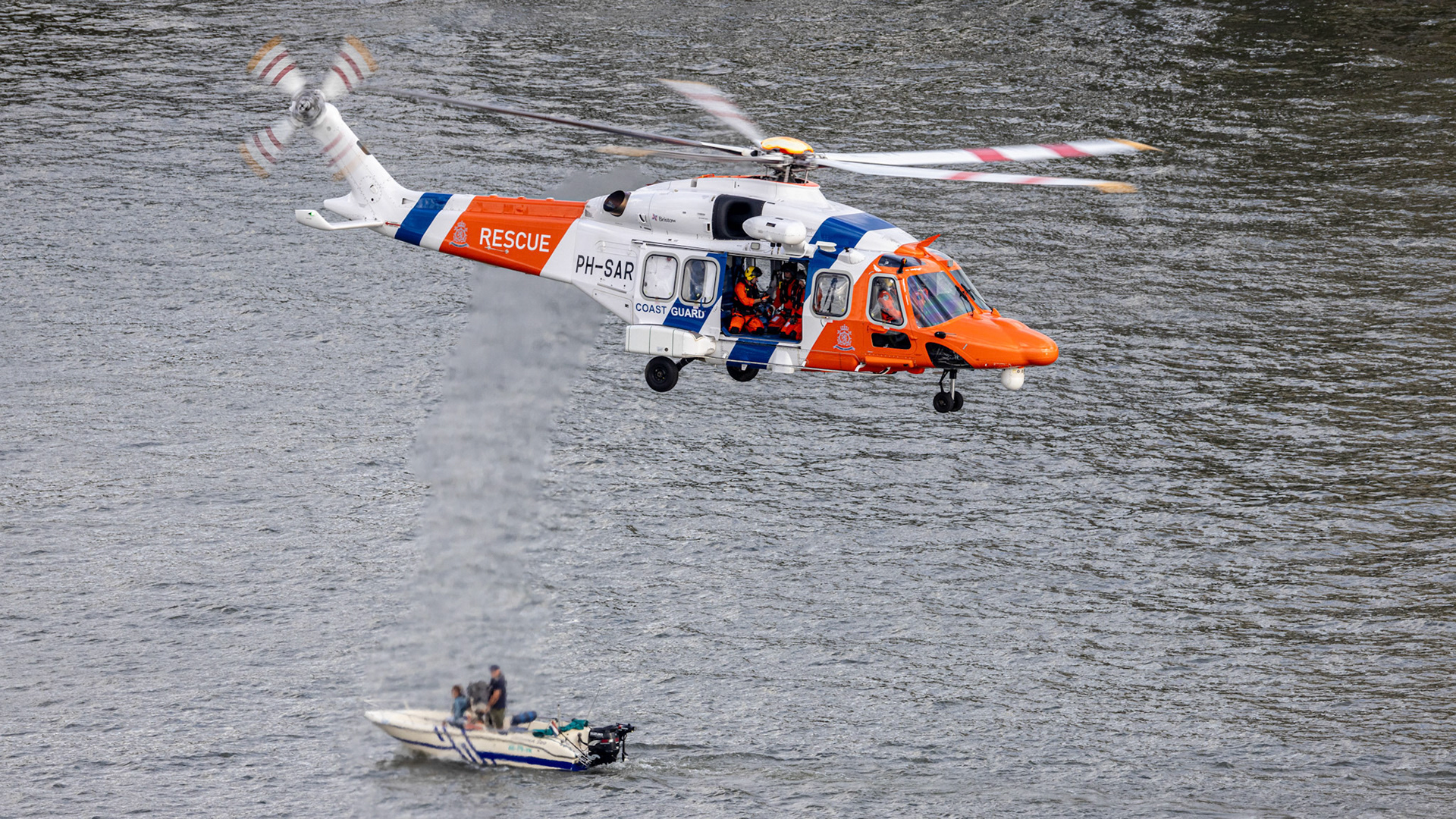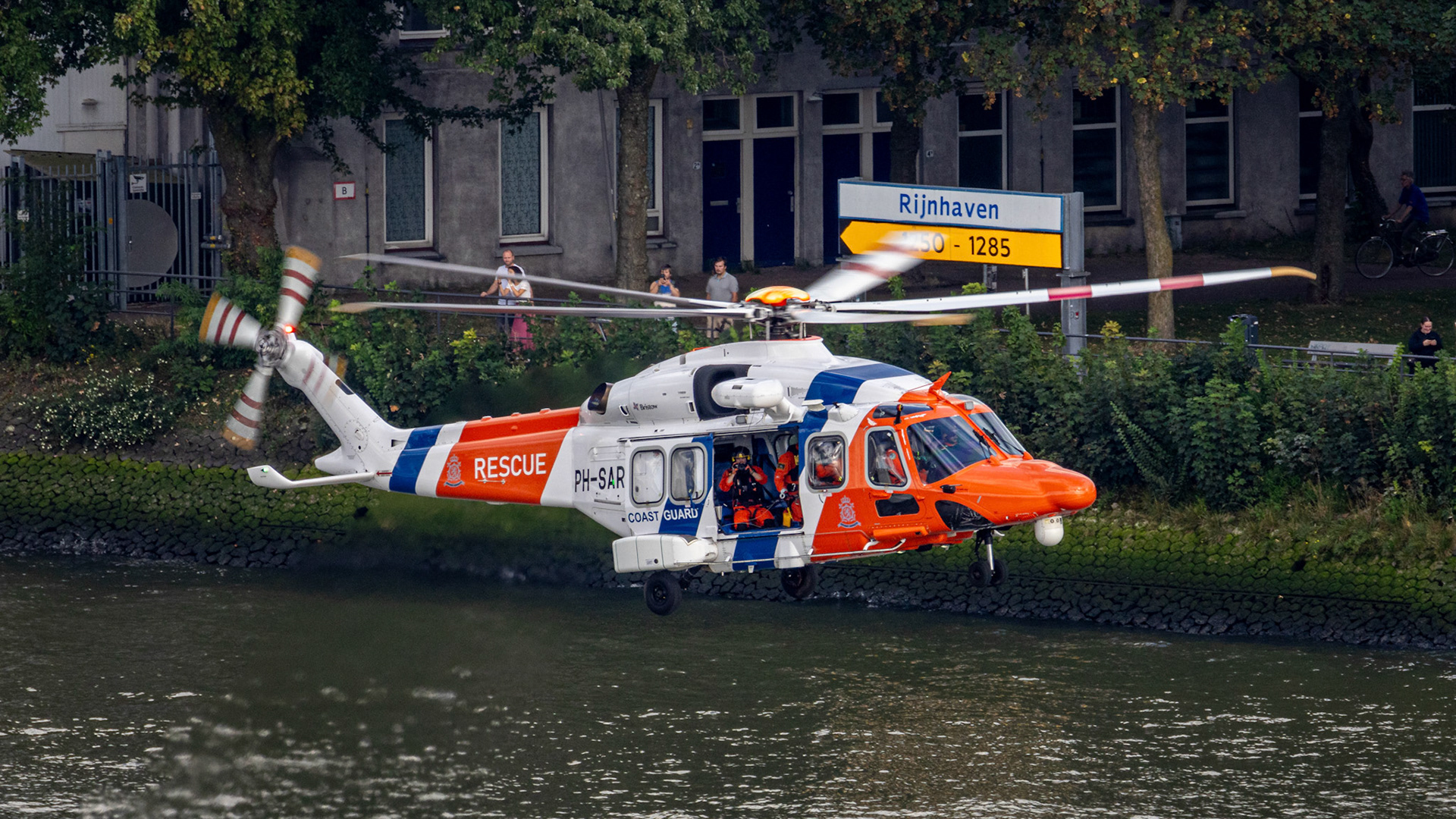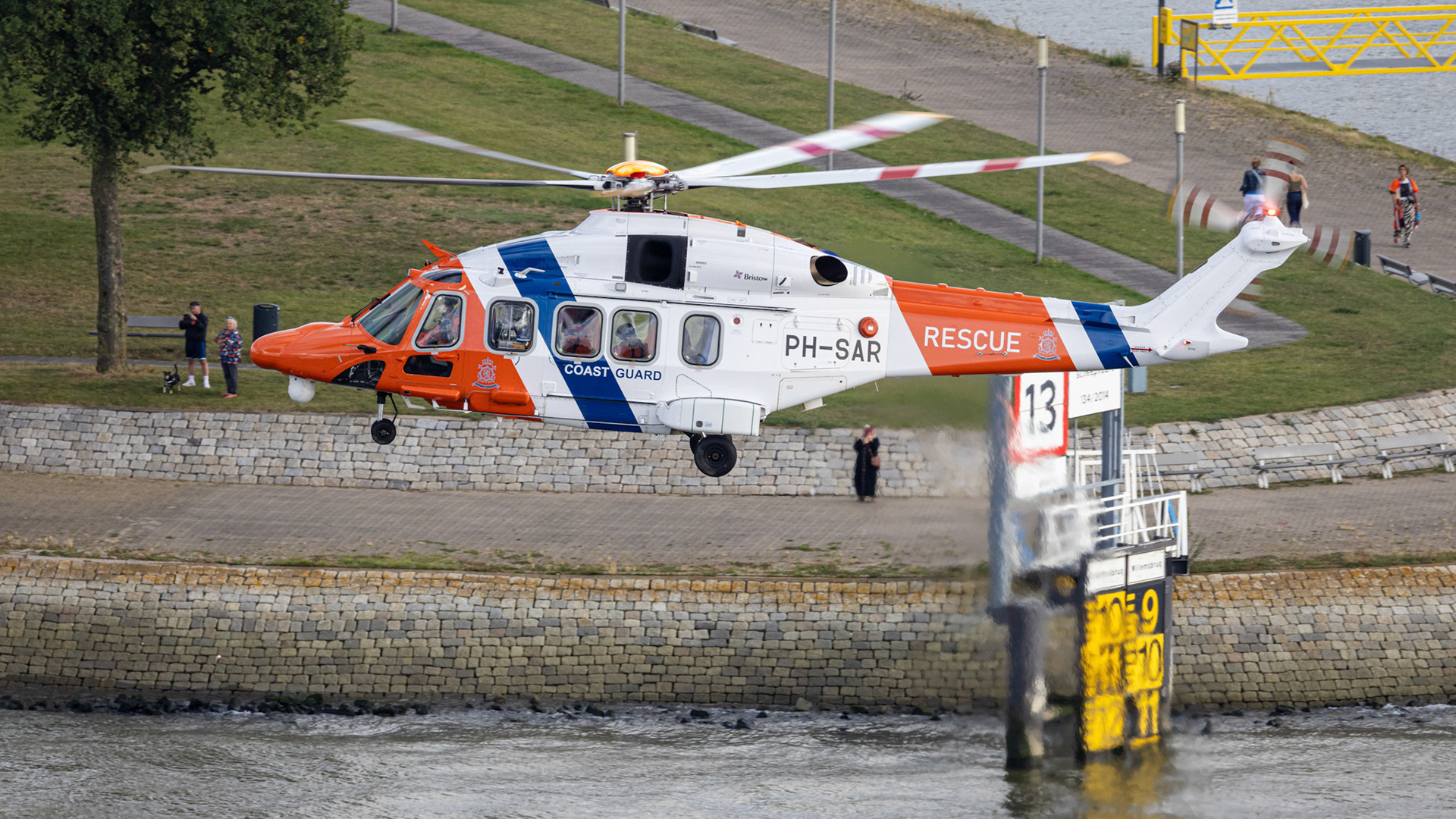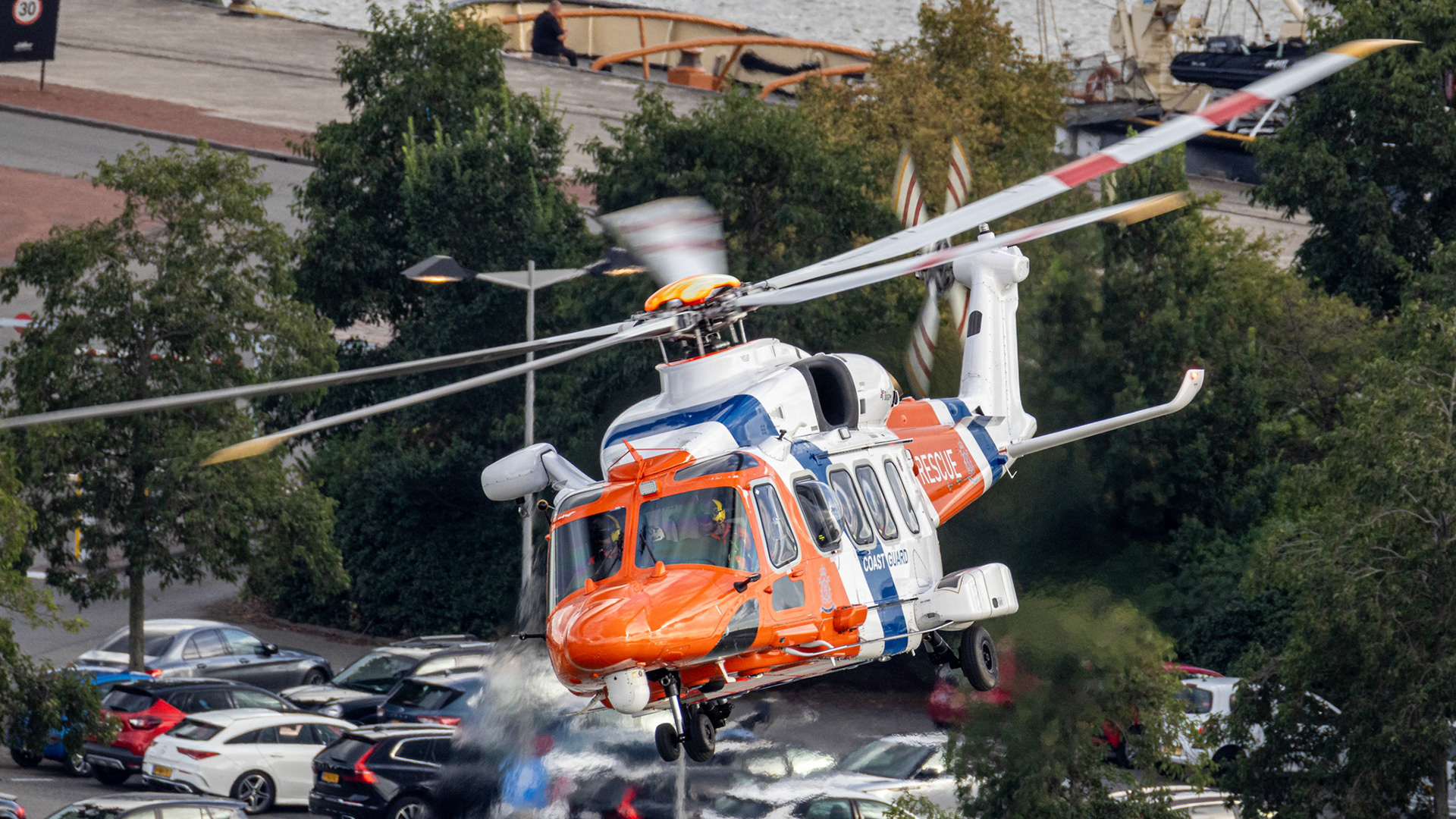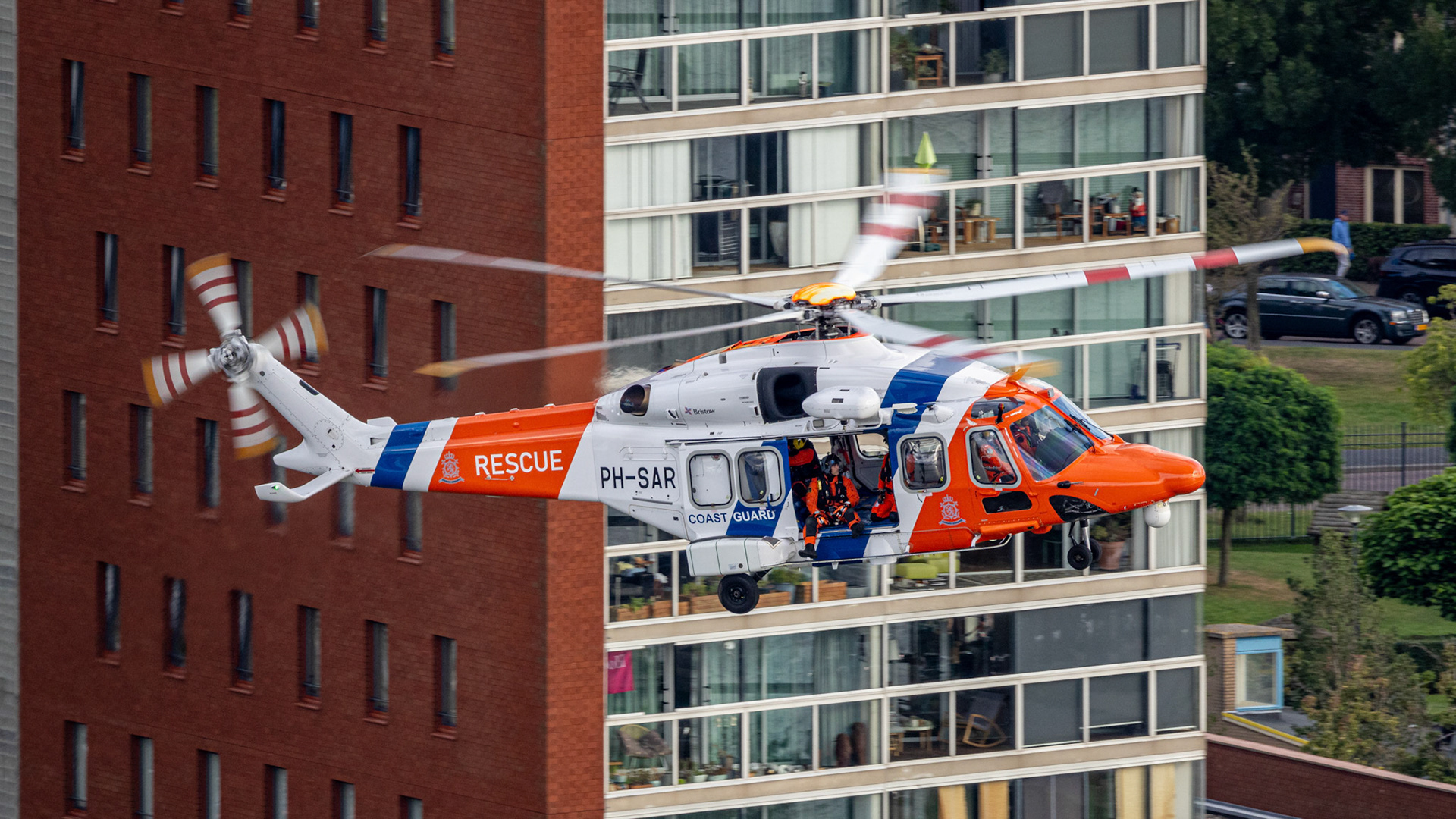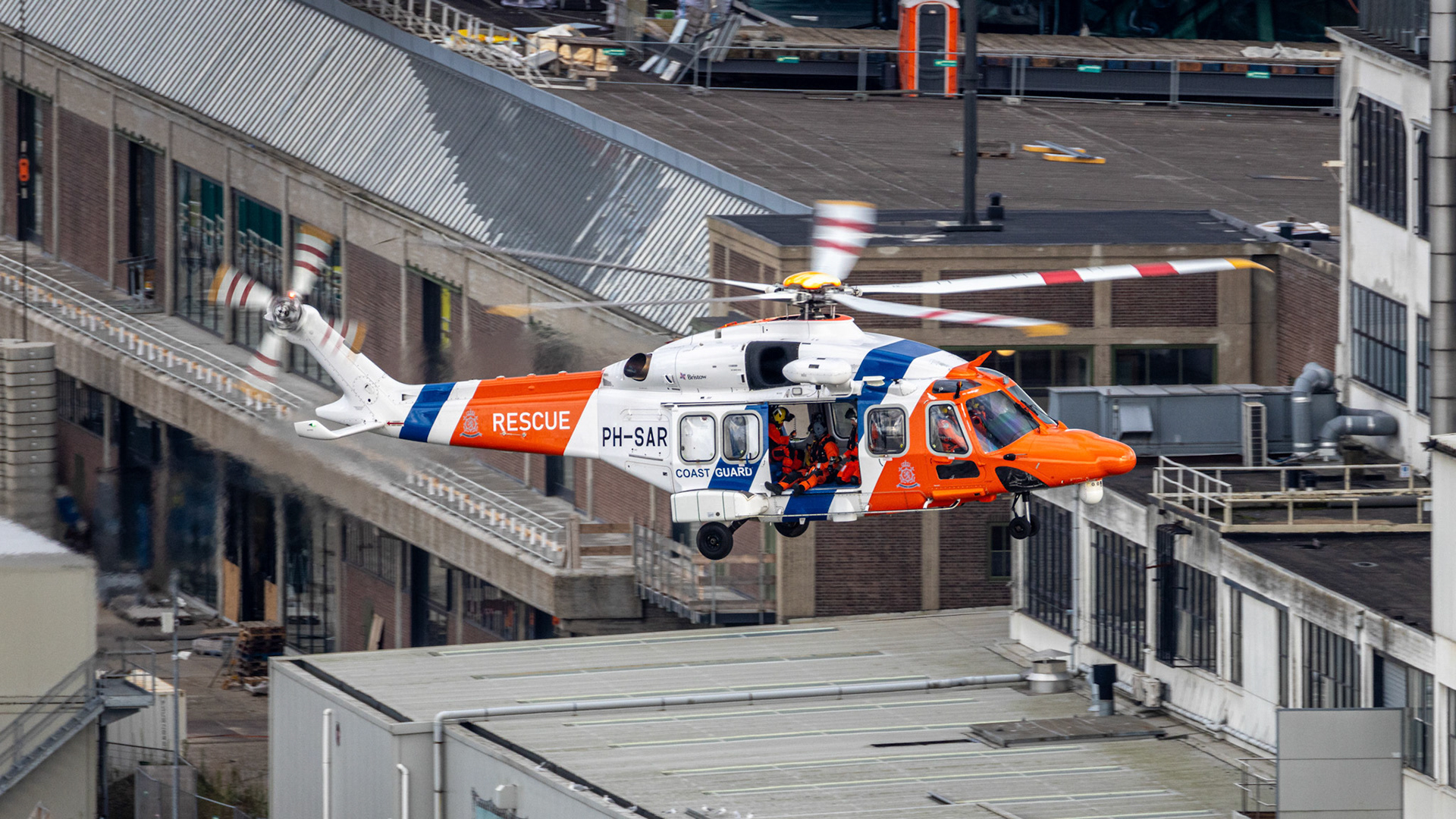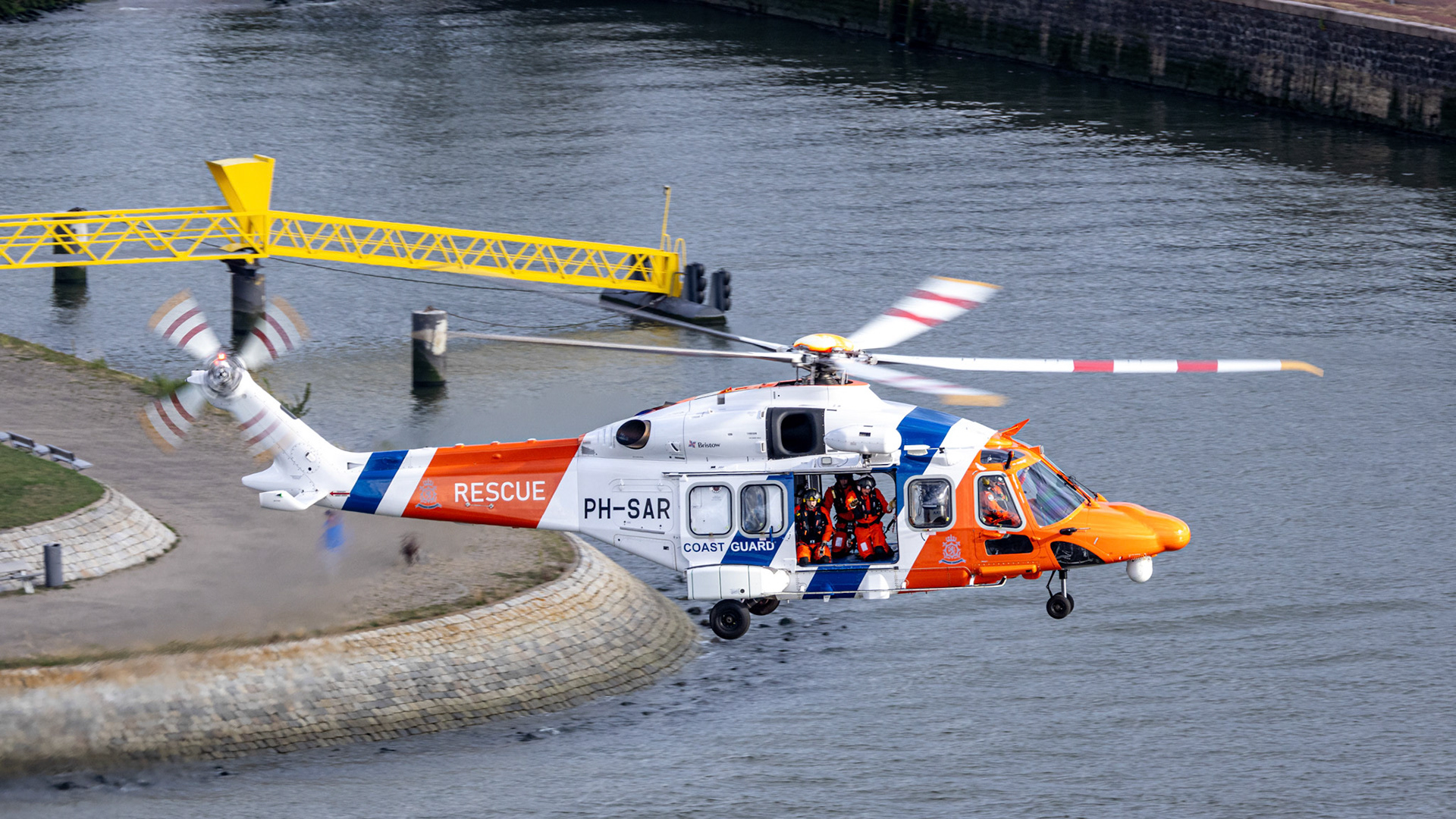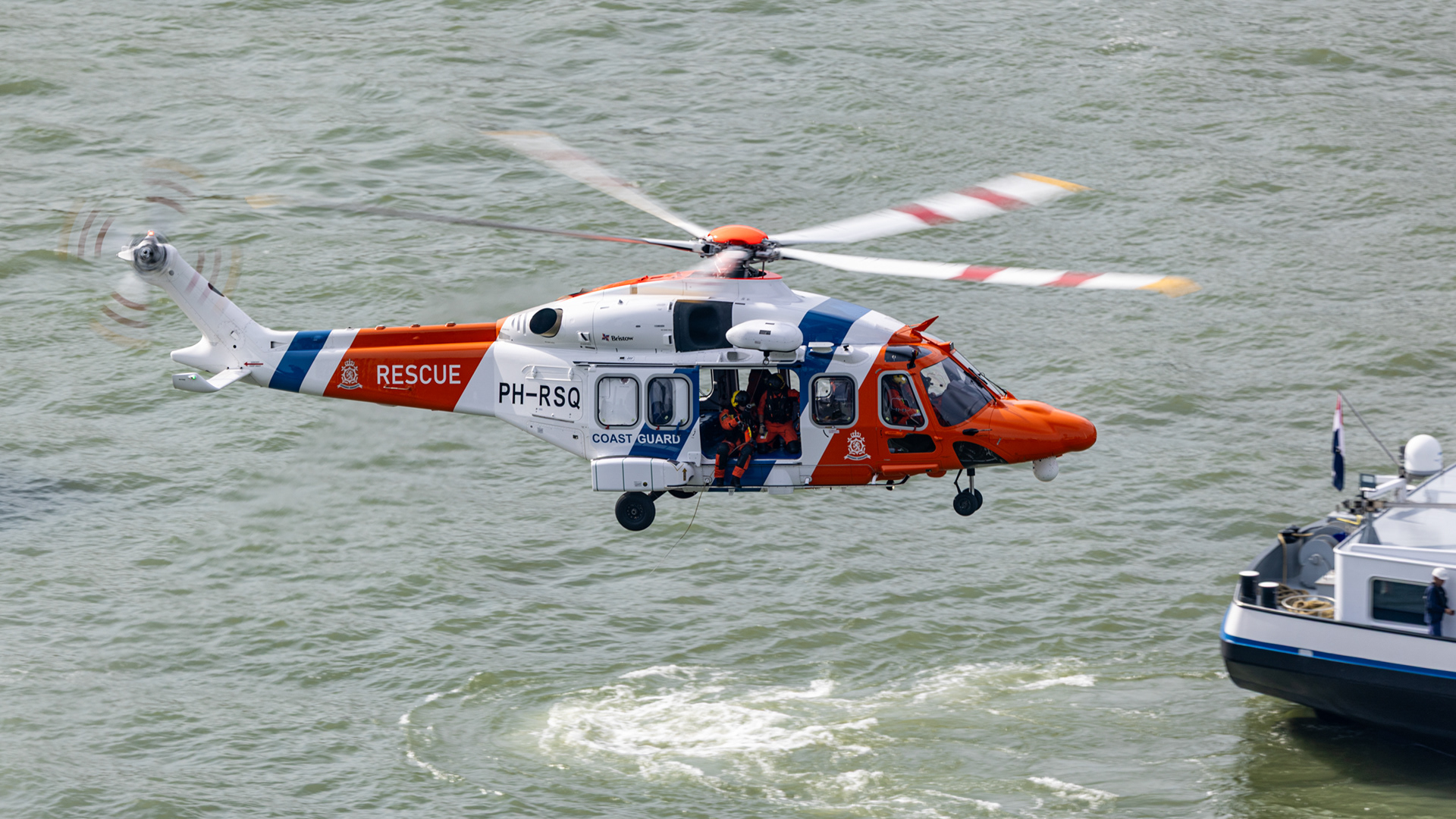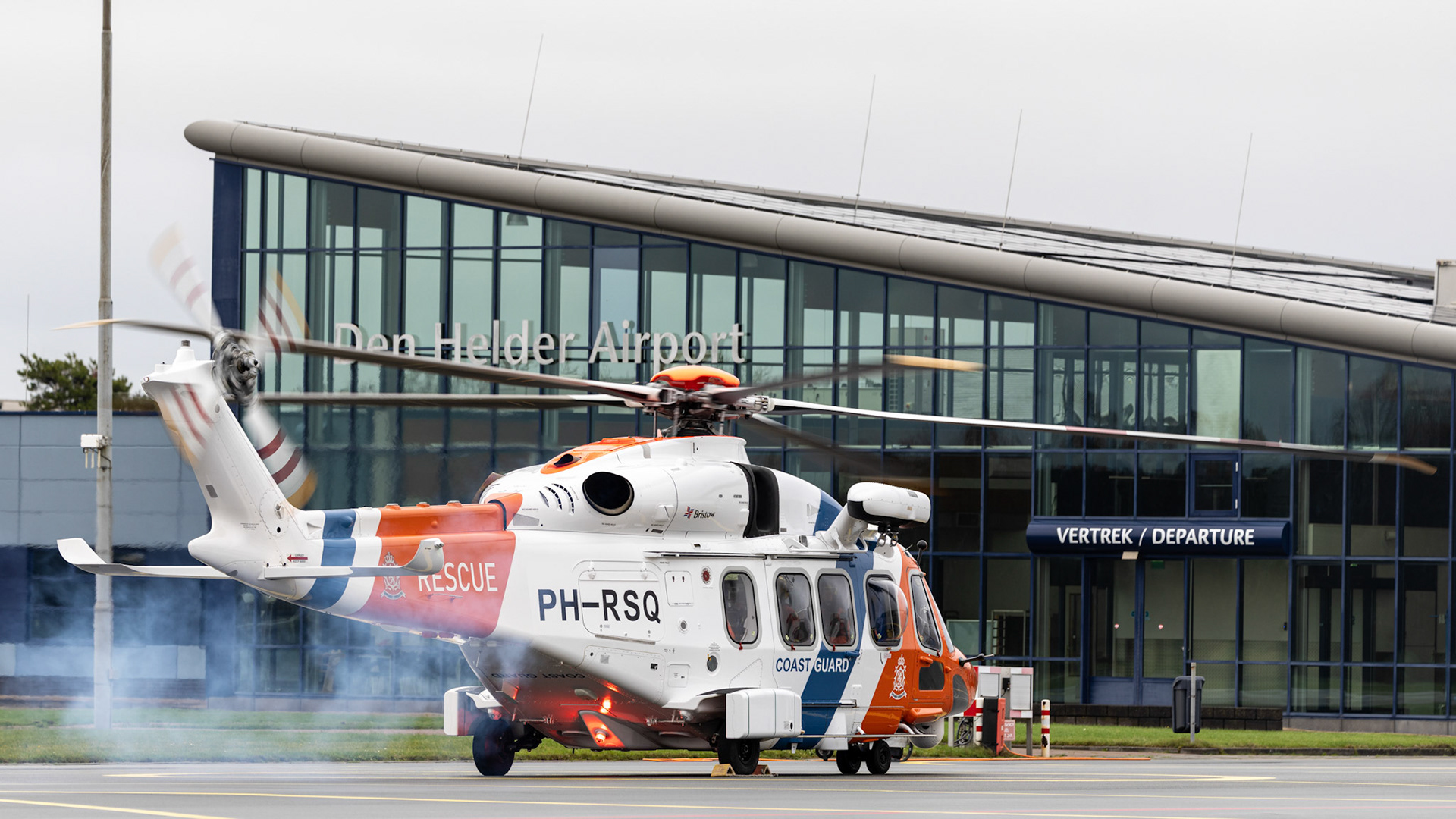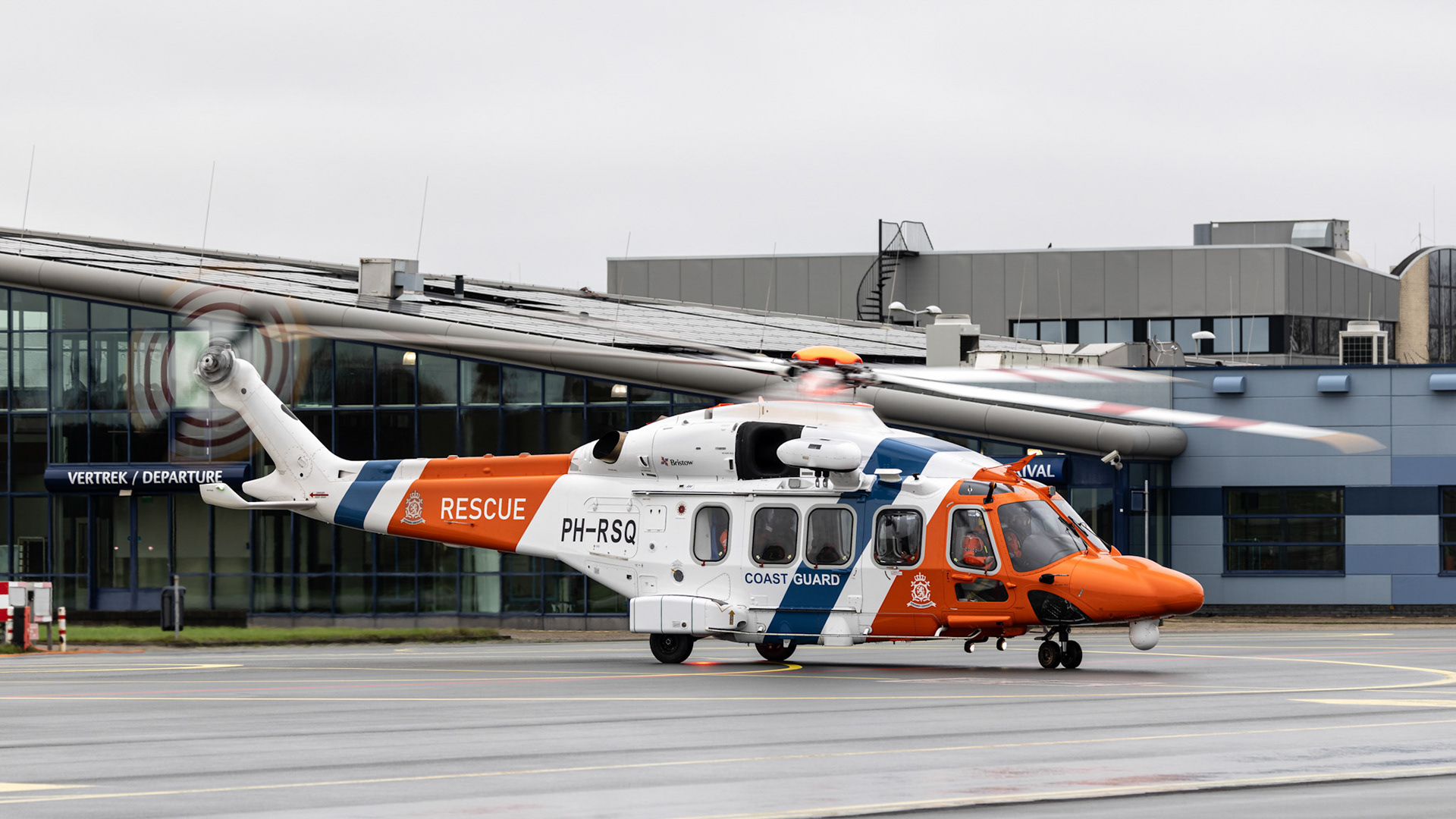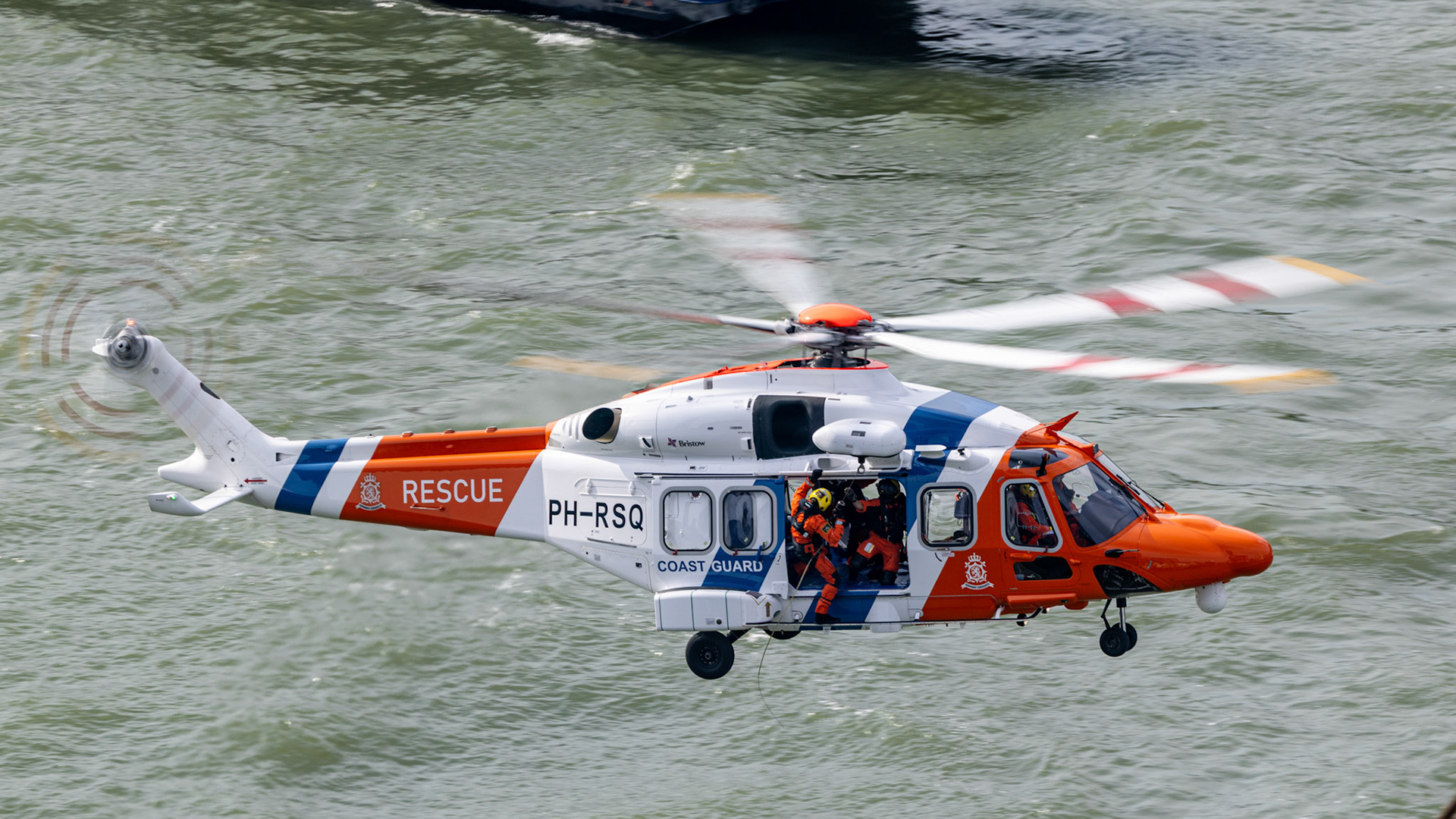
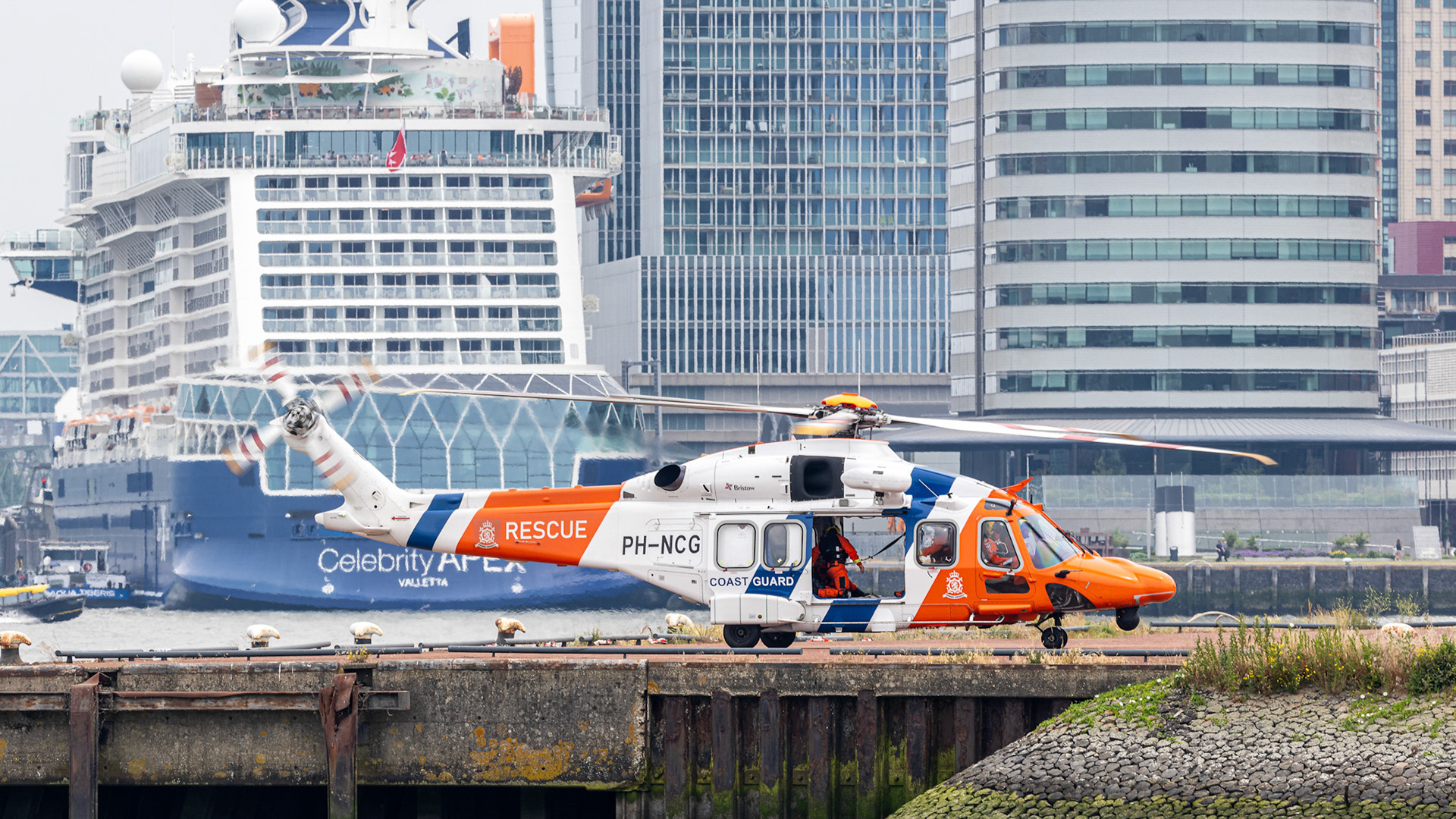
Since November 2022, Bristow Netherlands B.V. has been the primary provider of helicopter Search and Rescue (SAR) services for the Netherlands Coastguard under a 10-year contract awarded by the Dutch Defence Materiel Organisation (DMO).
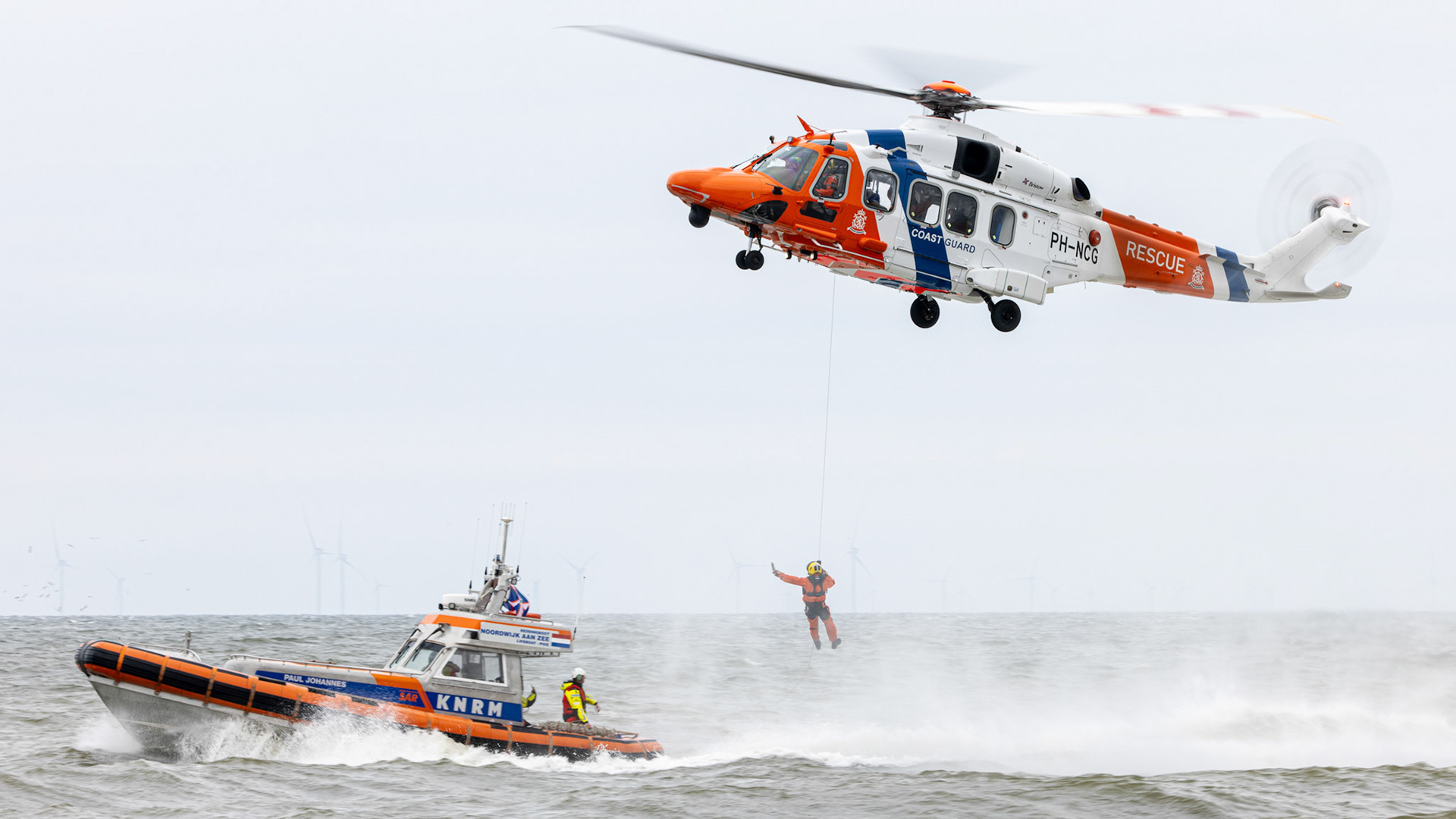
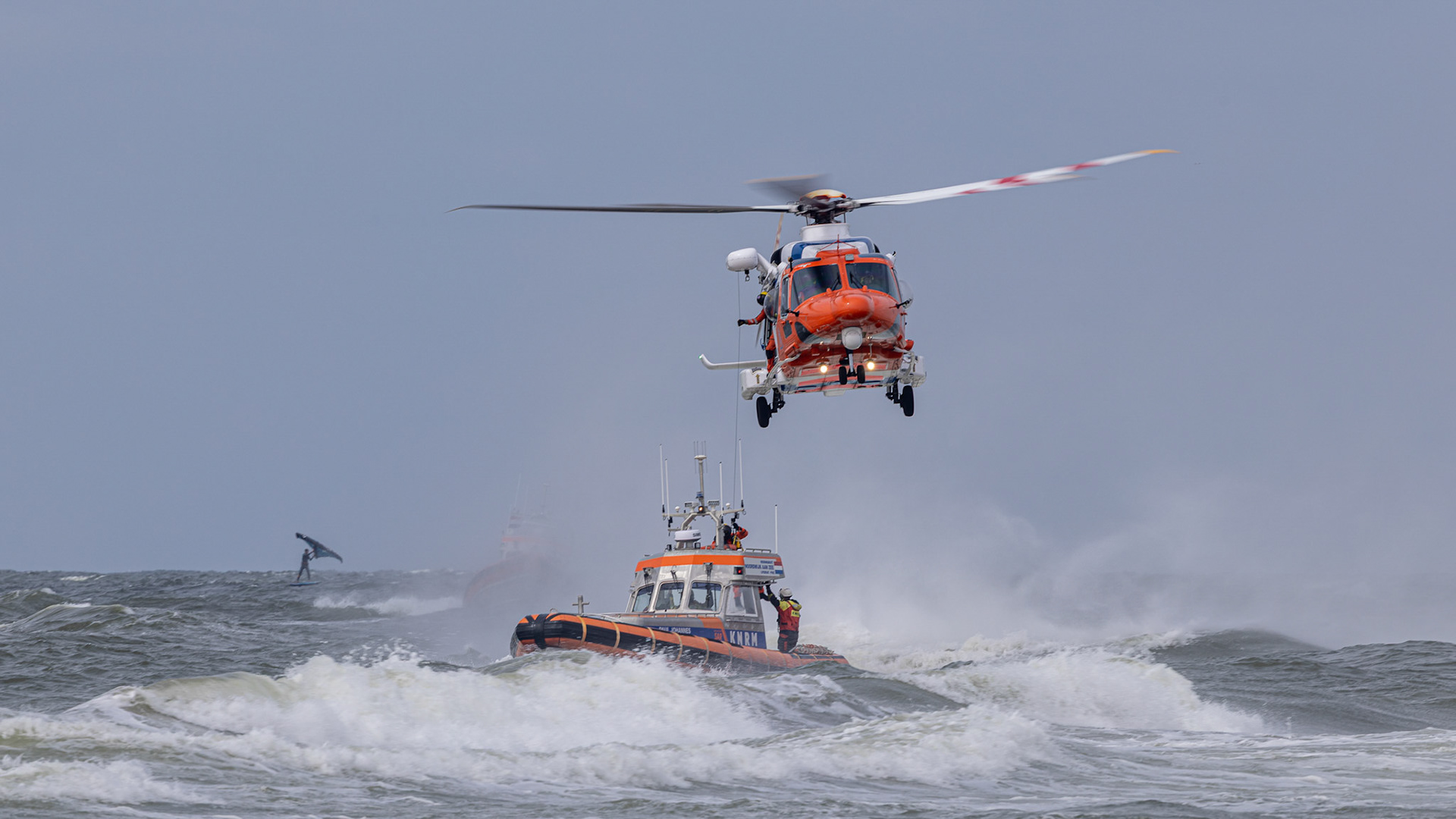
Operating around the clock in all weather conditions, Bristow’s SAR service is tasked by the Joint Rescue Coordination Centre (JRCC) in Den Helder to respond to maritime emergencies, inland incidents, and other critical situations where rapid aerial assistance is required.
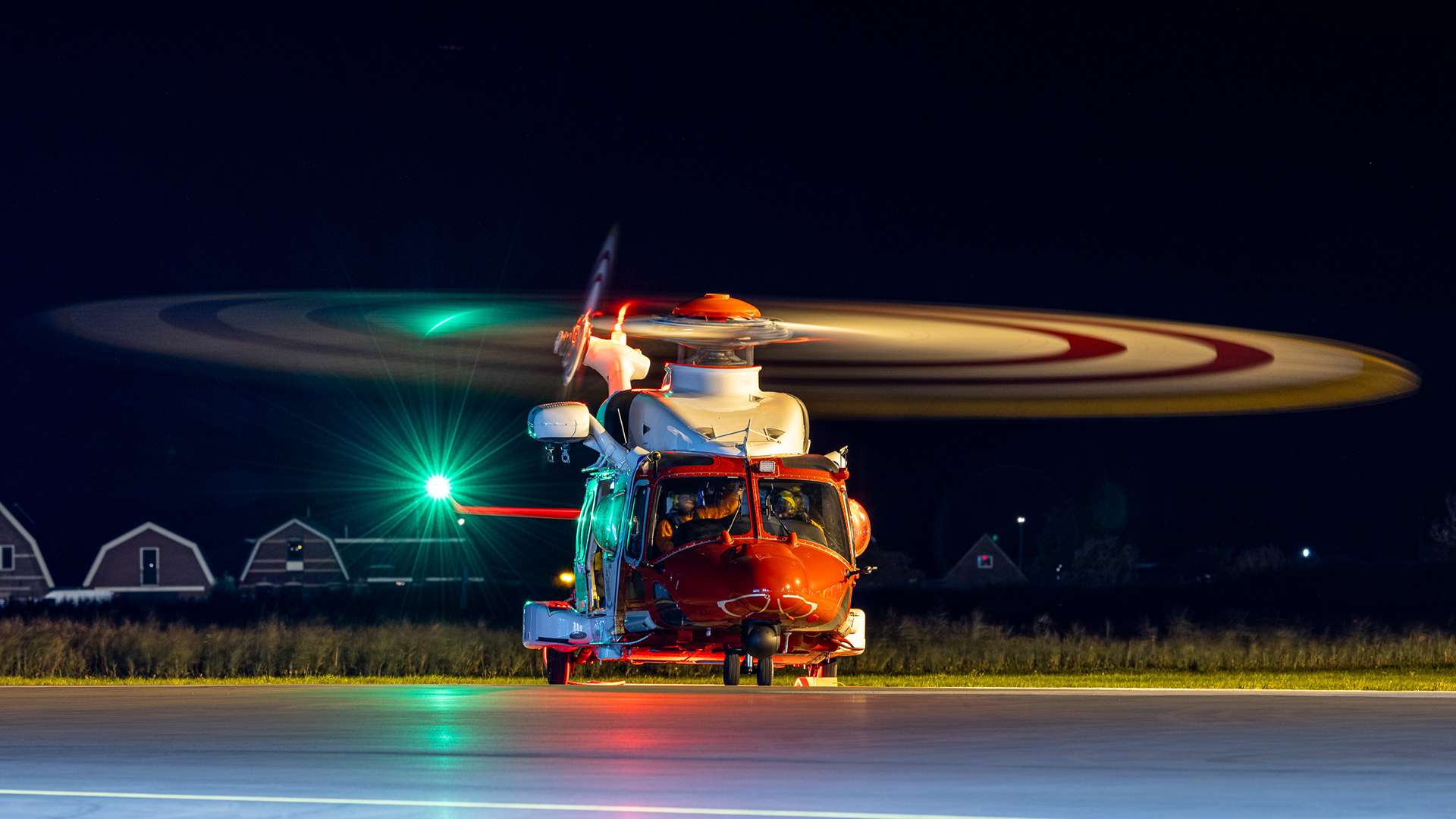
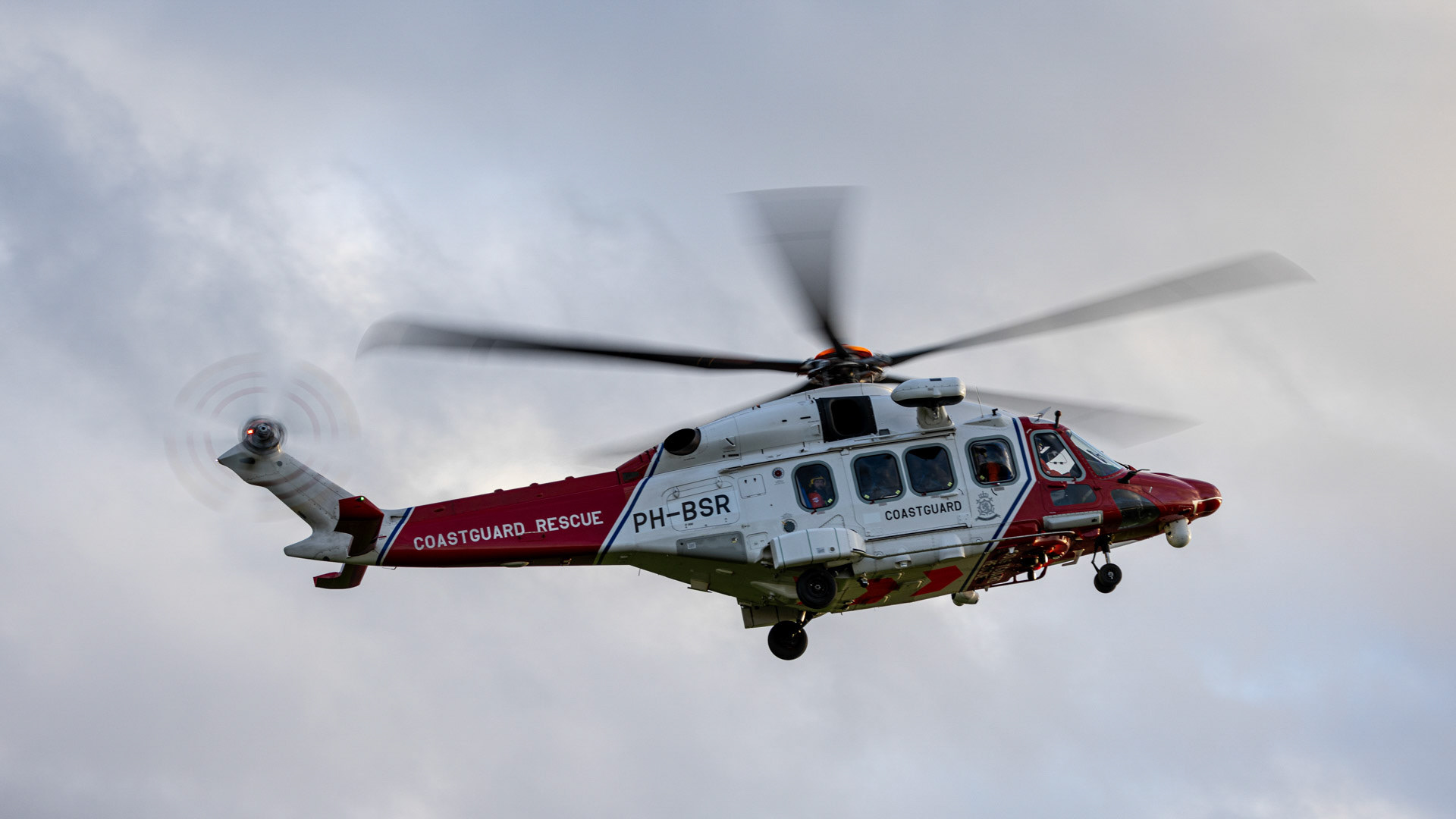
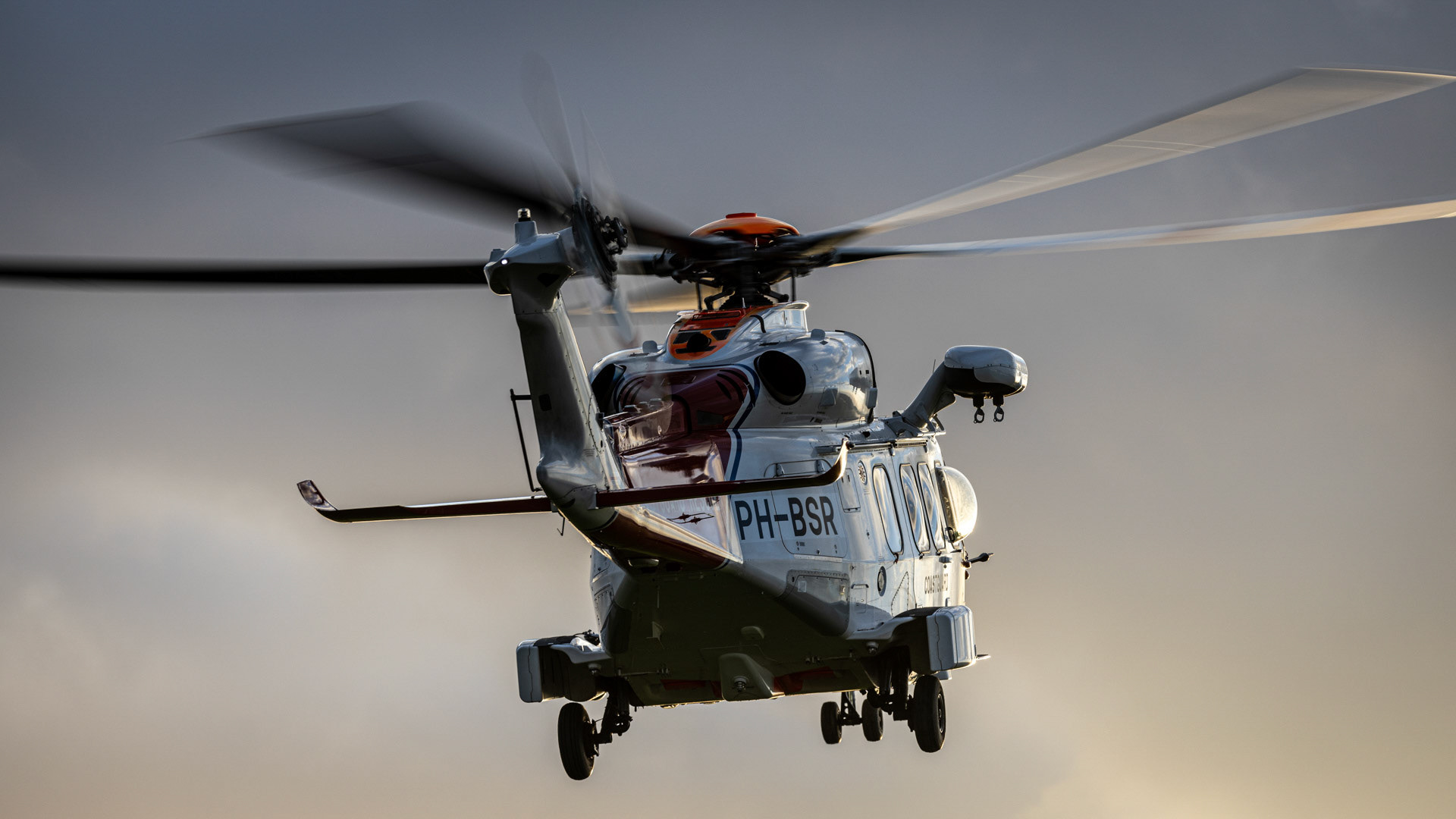
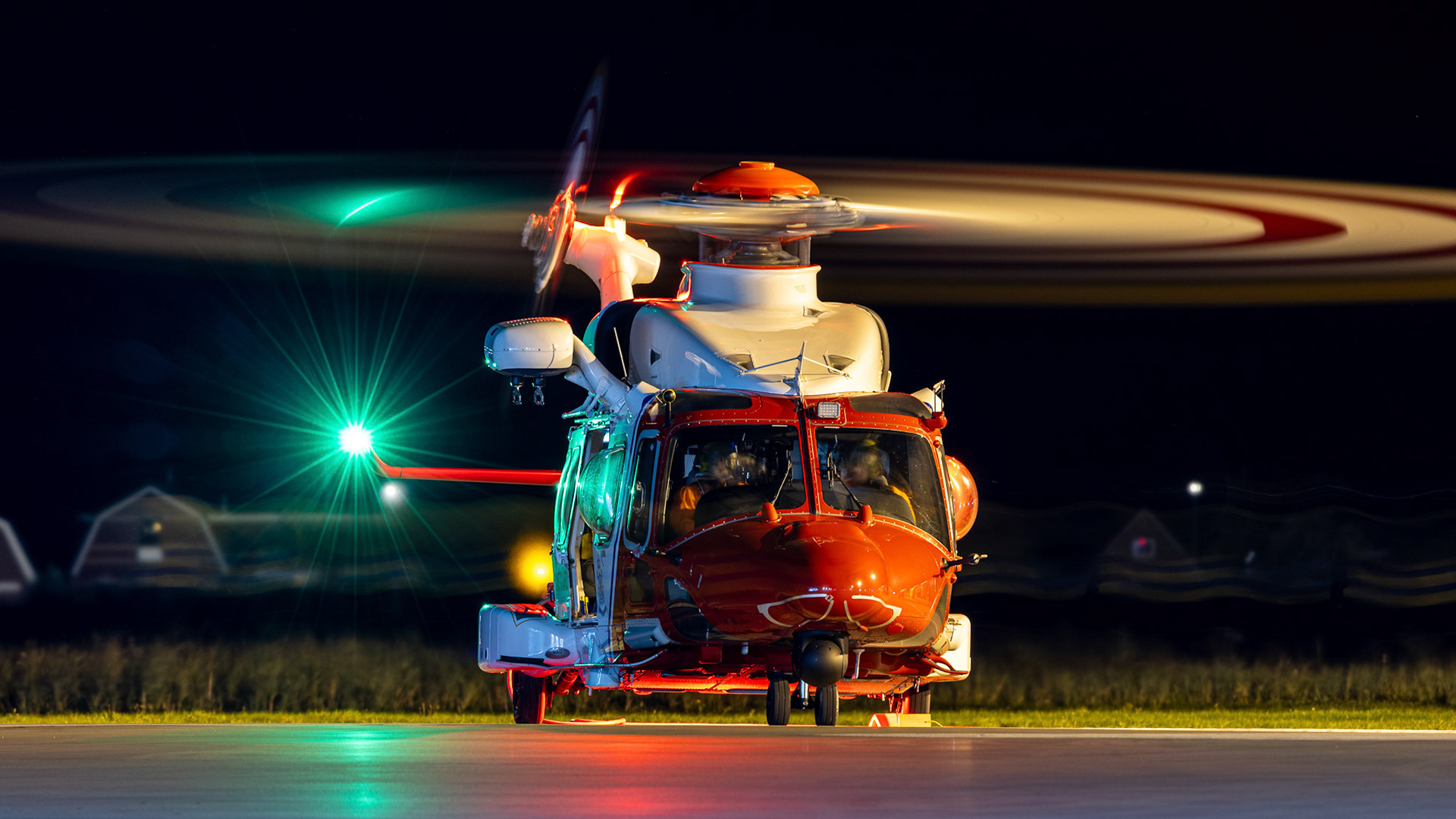
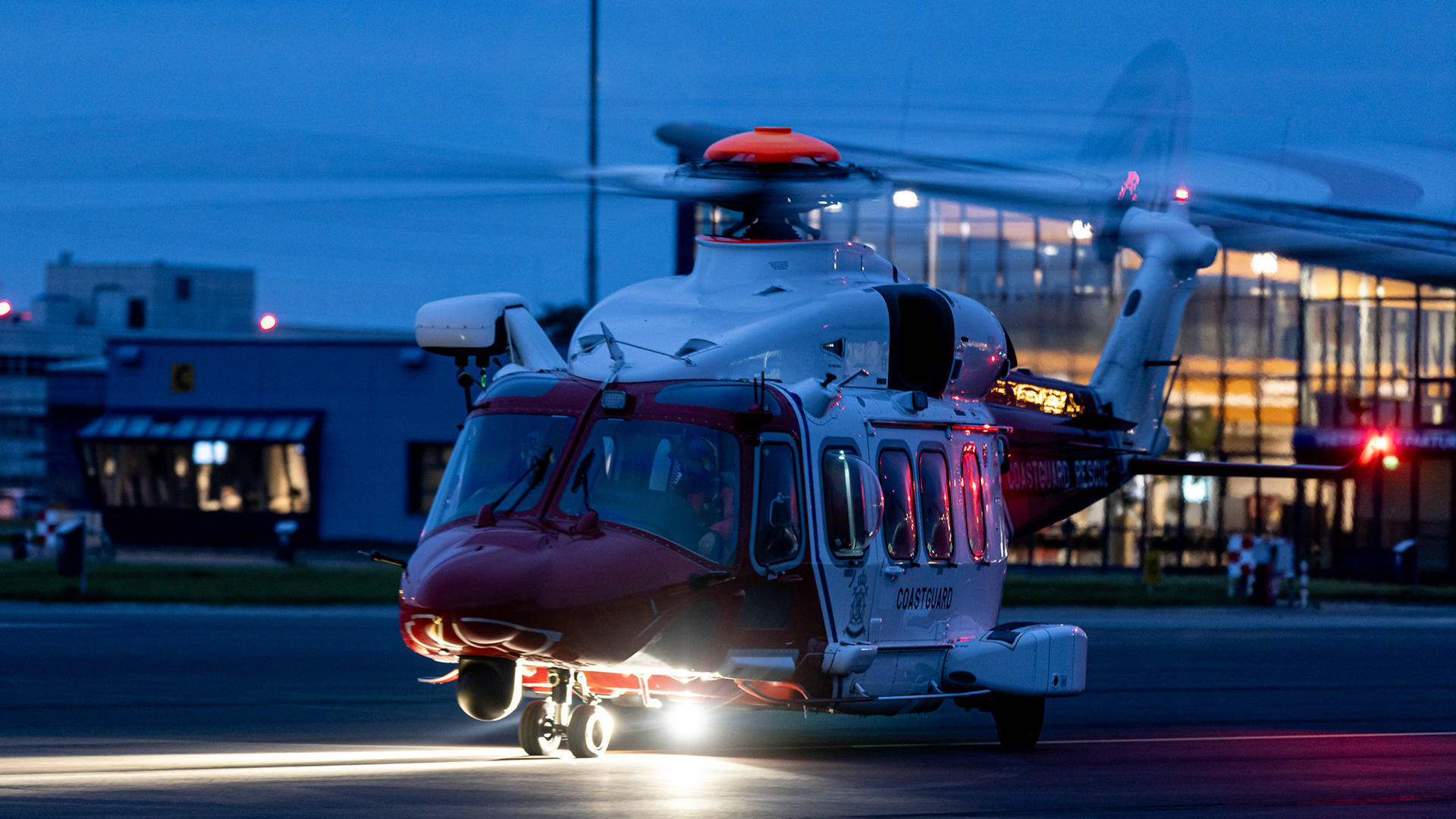
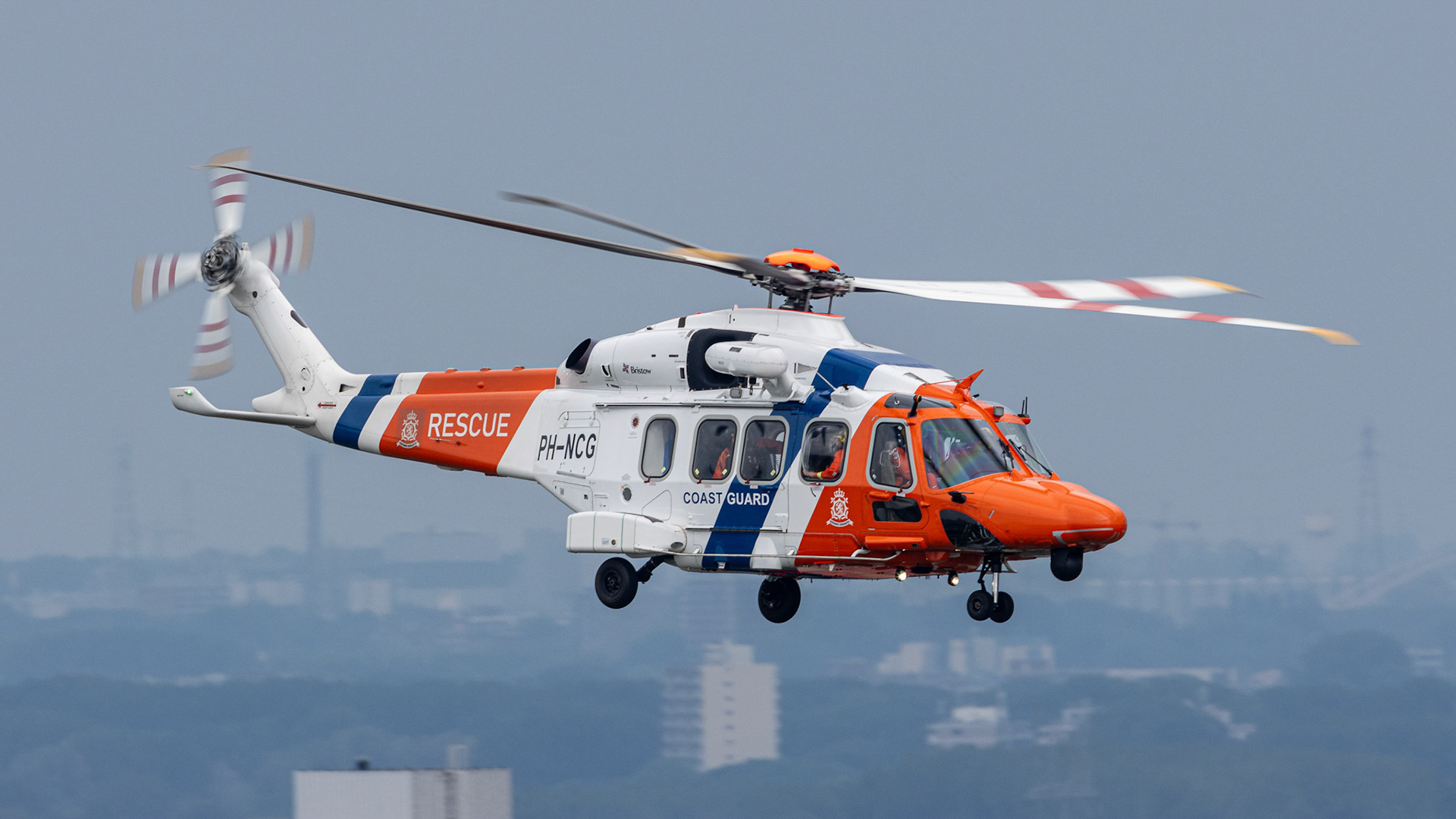
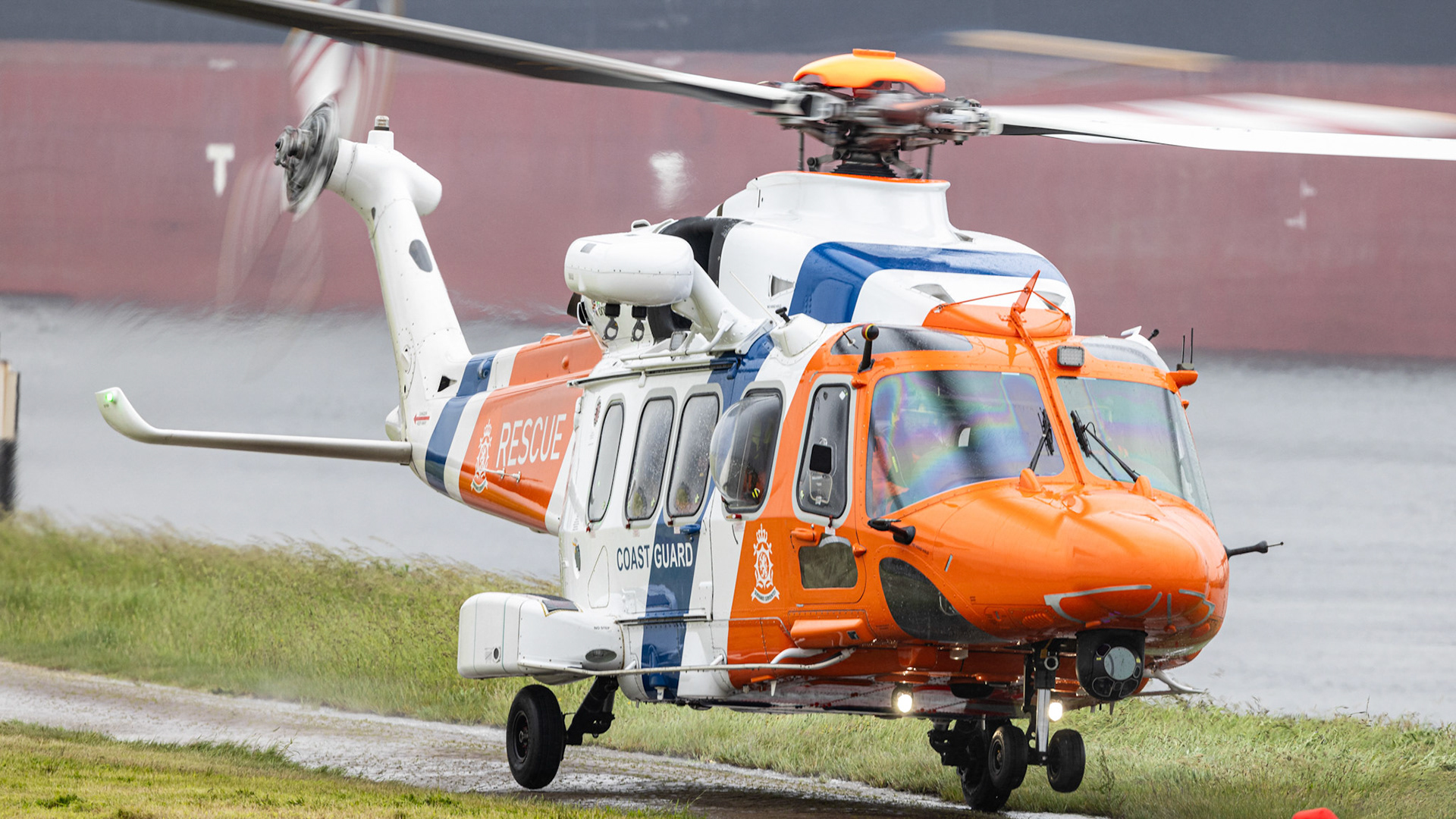
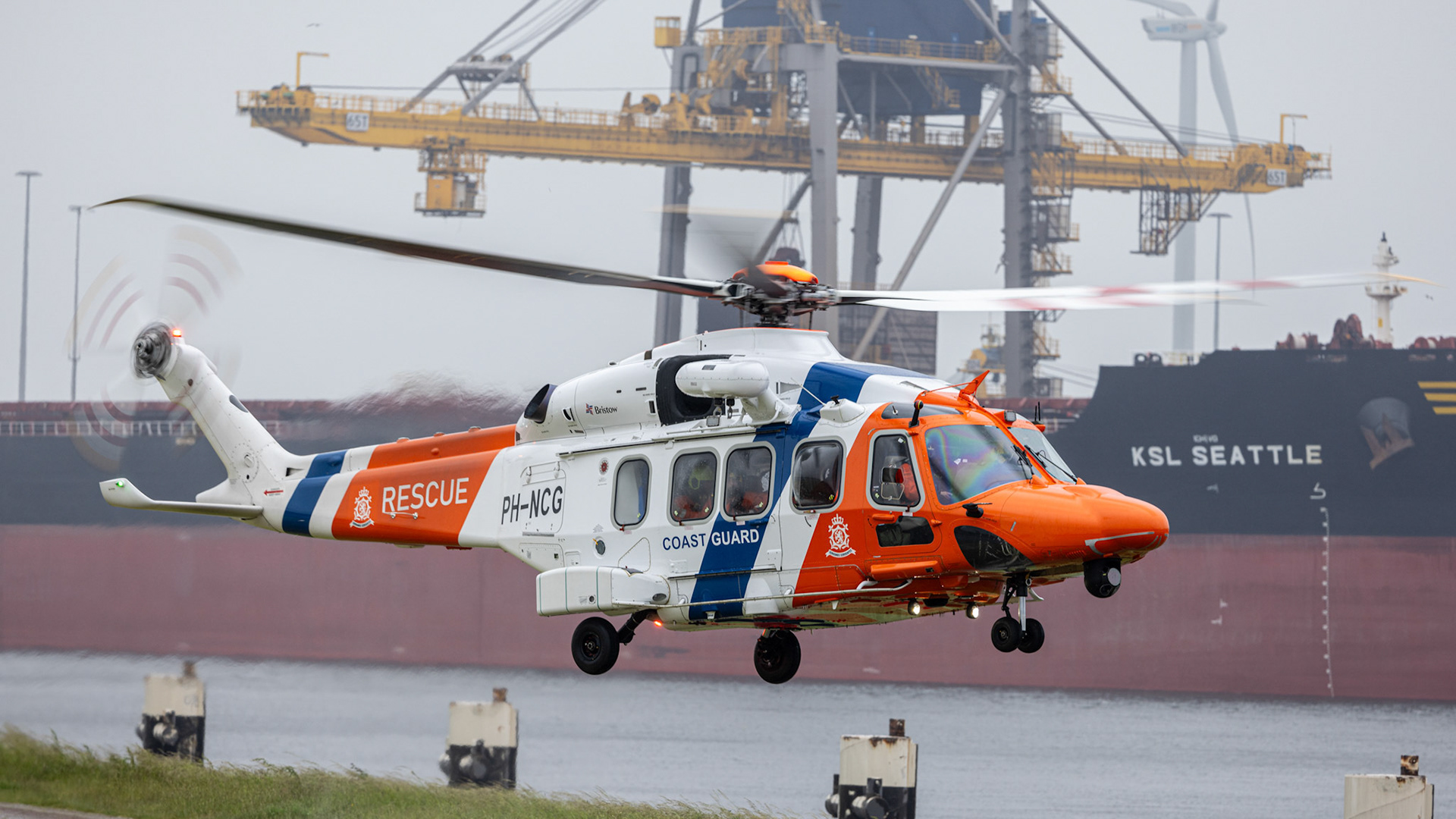
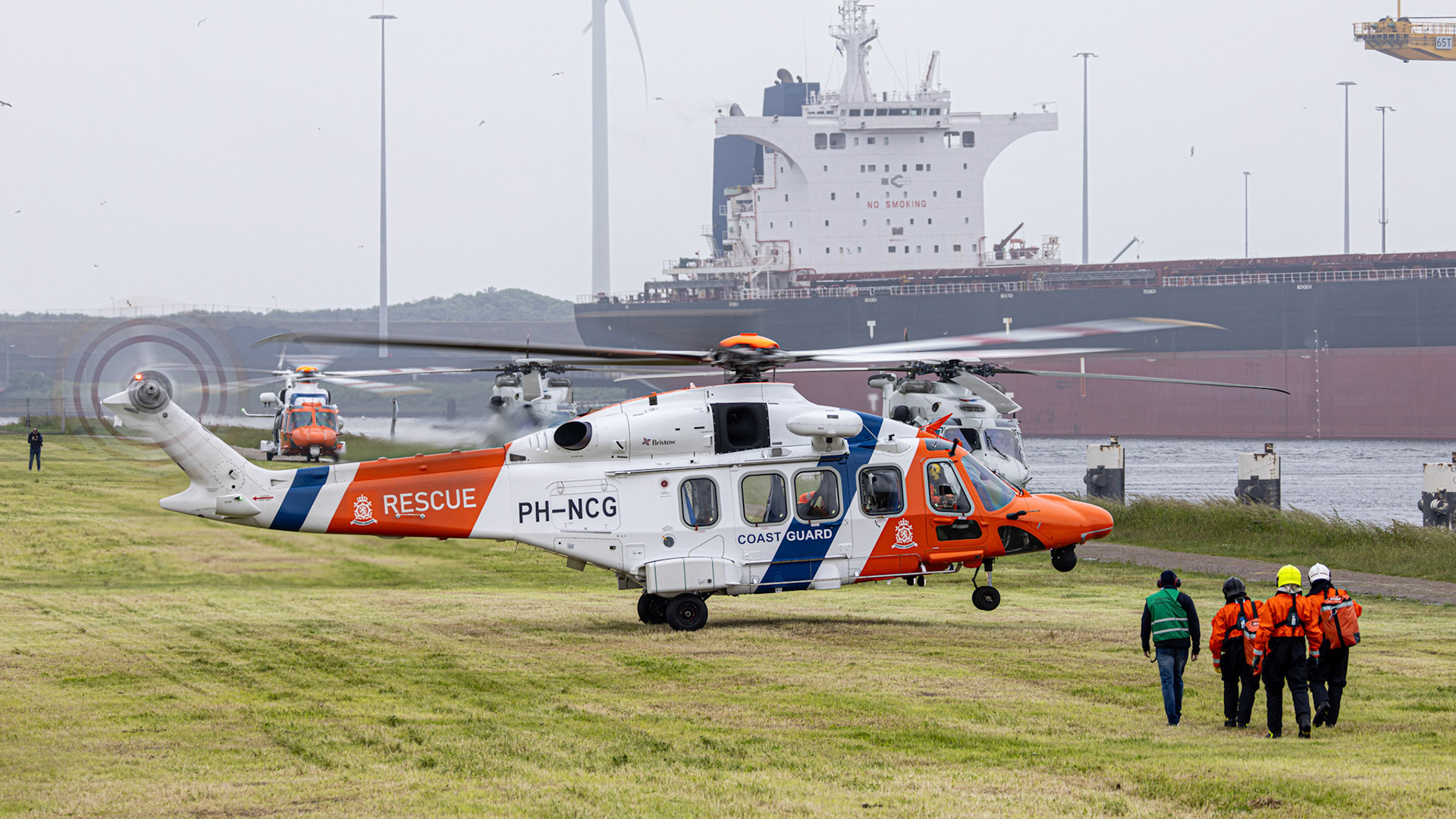
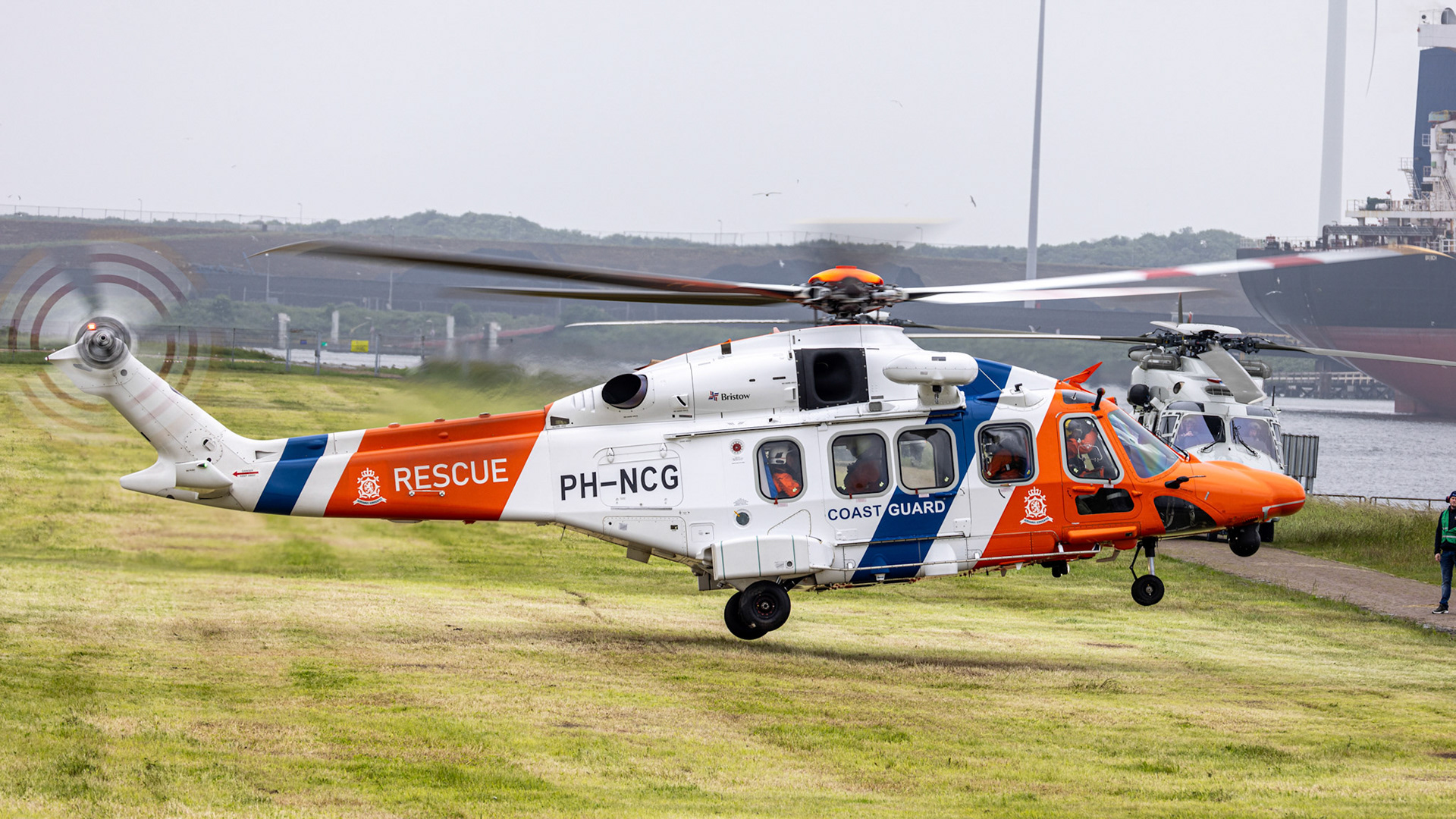
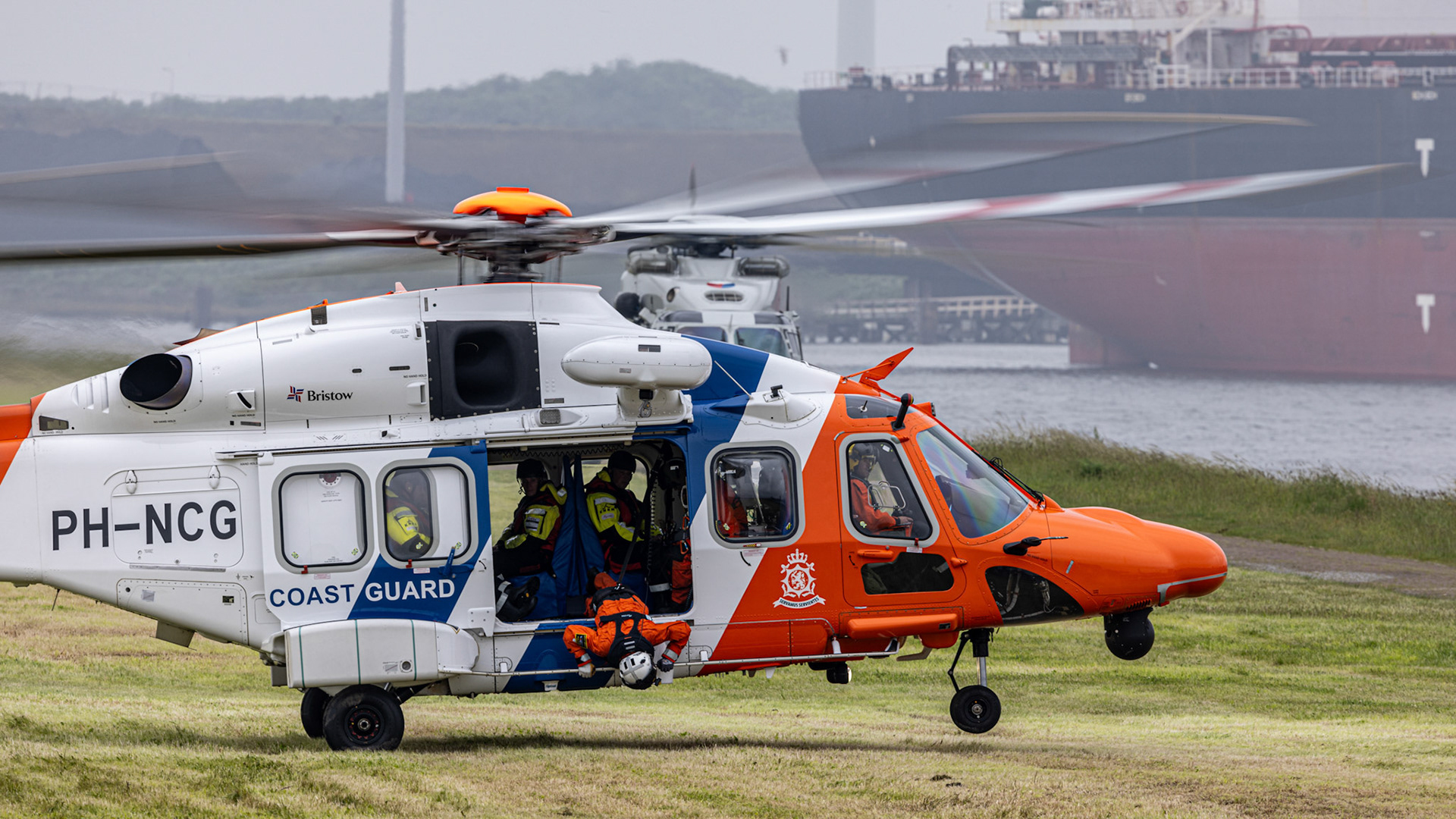
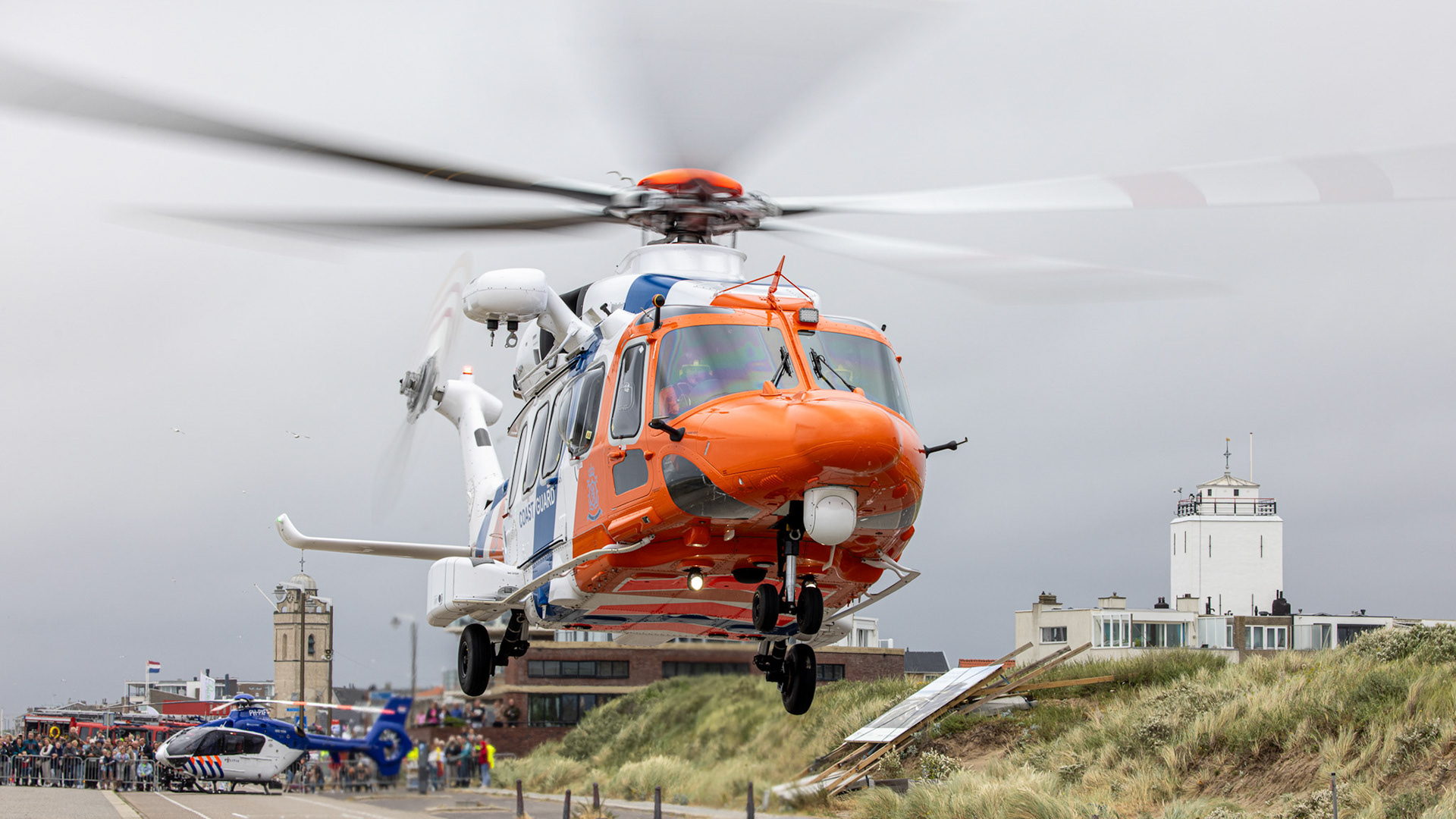
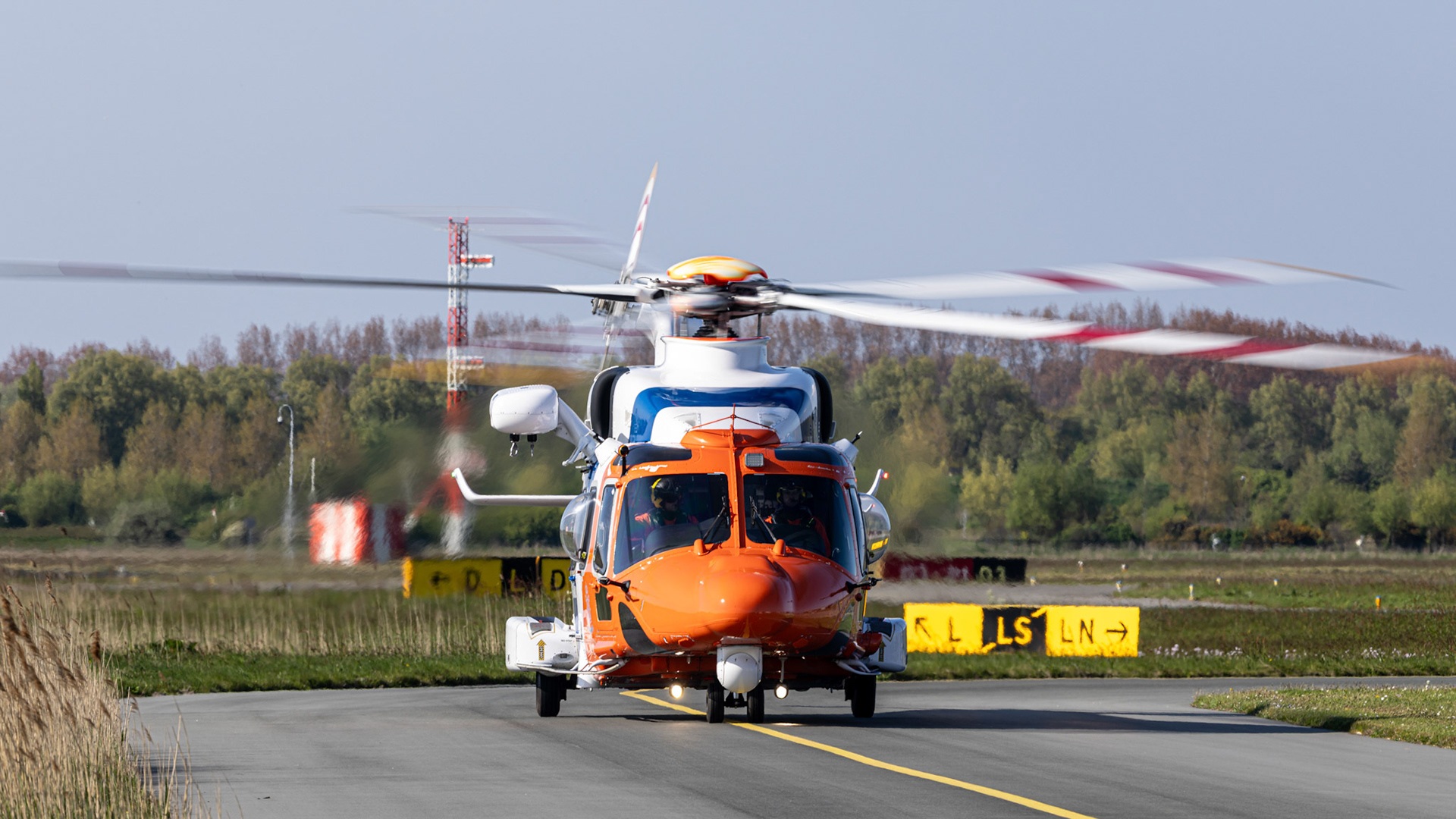
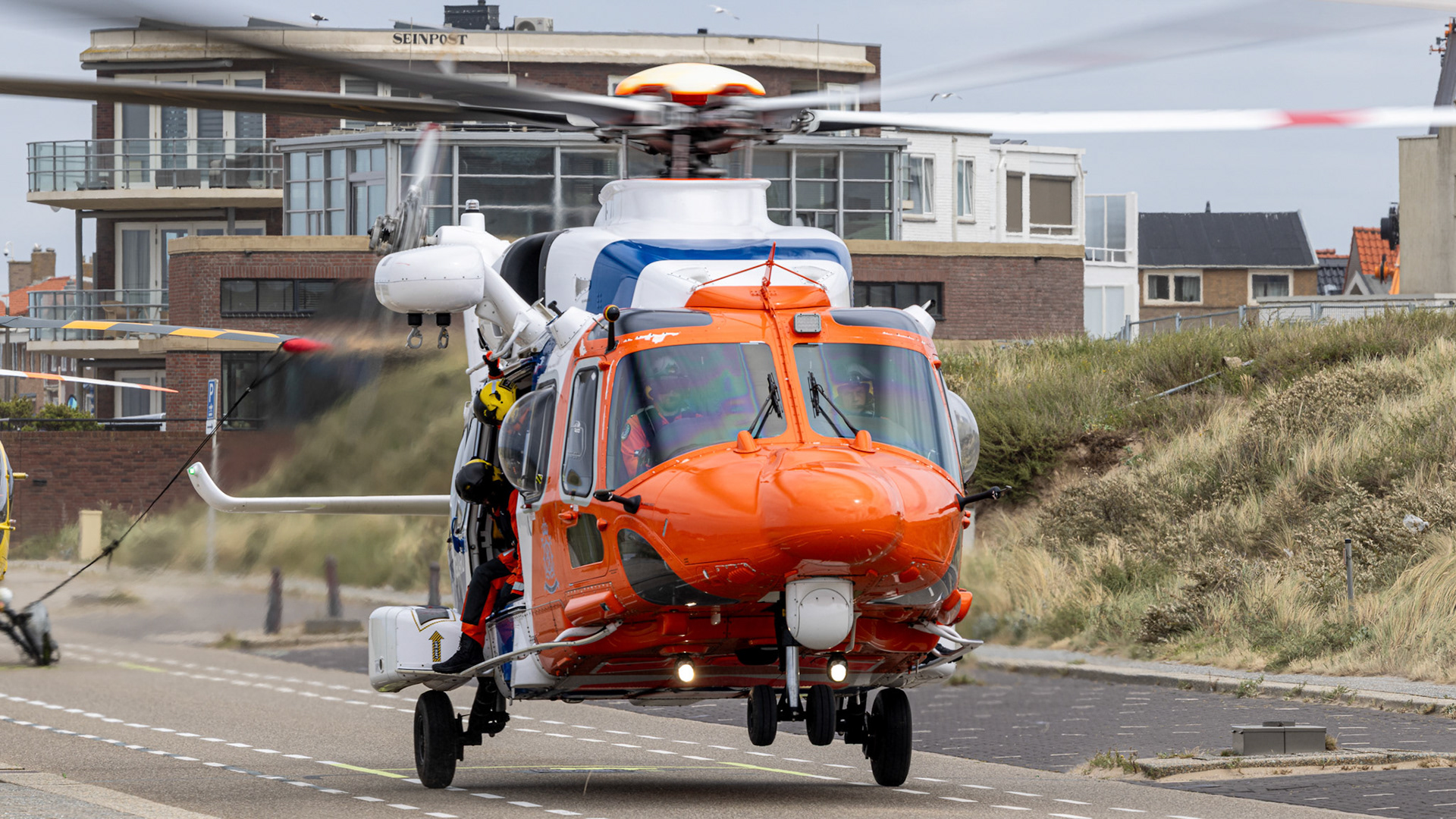
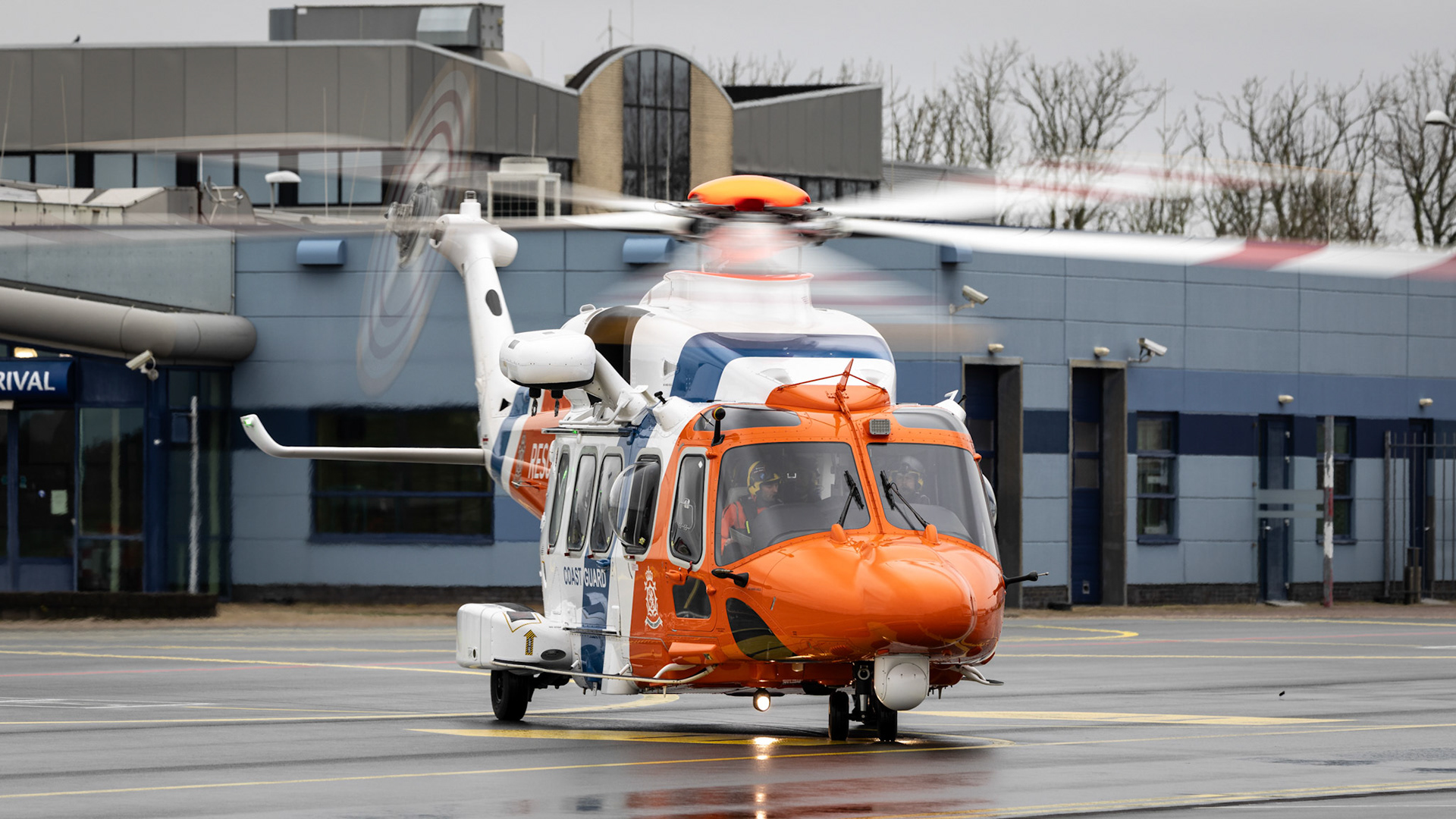
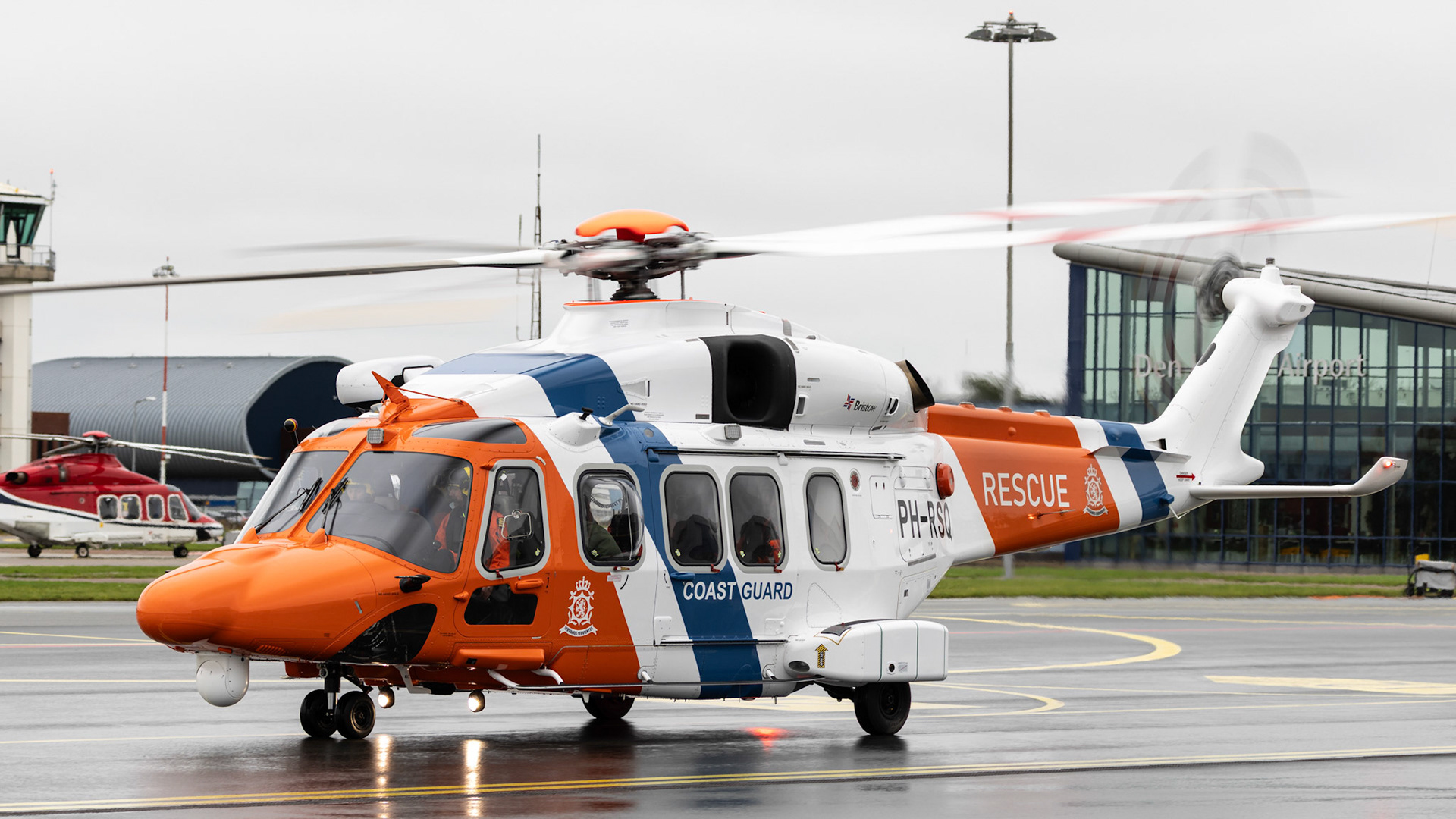
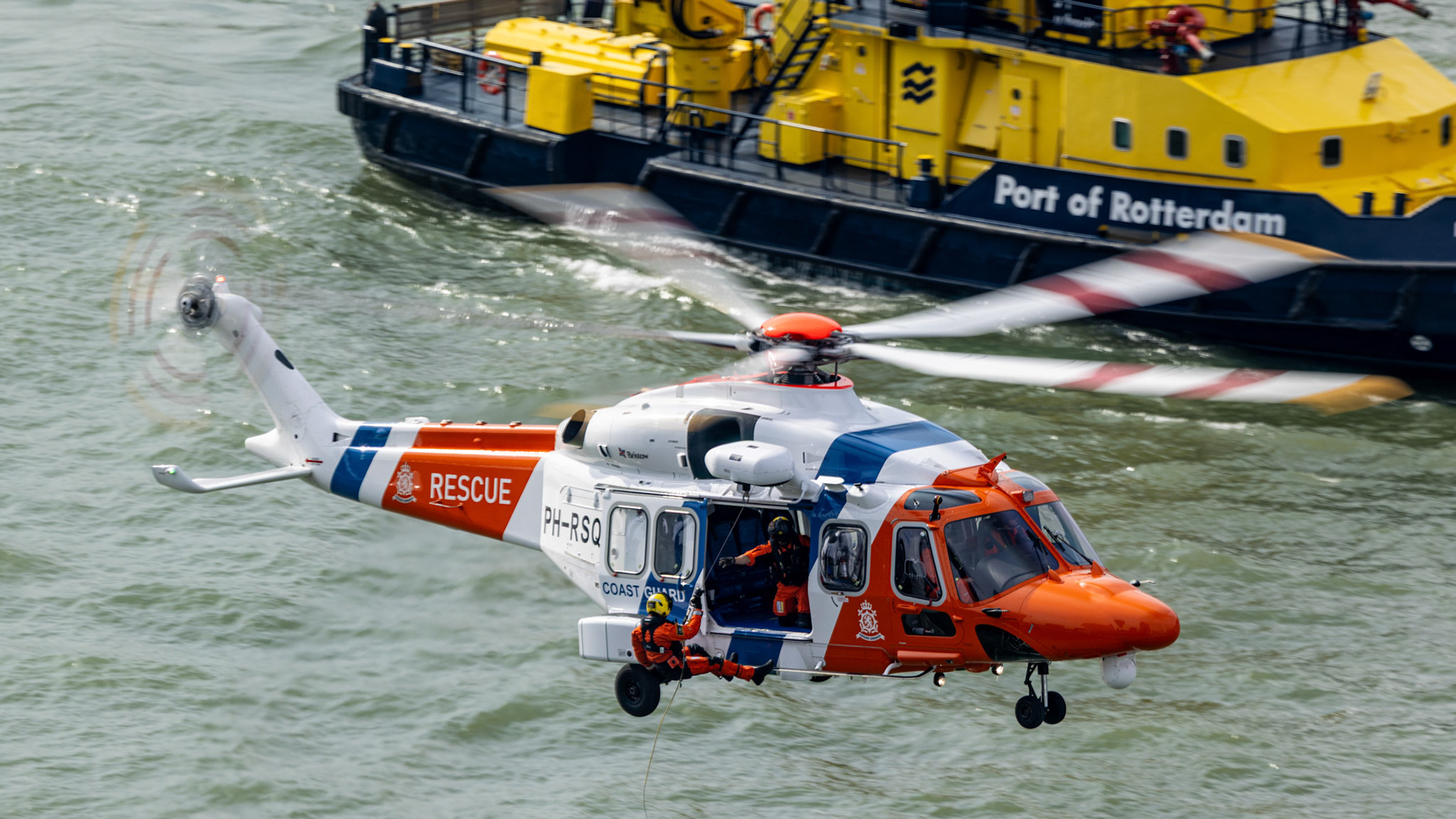
Bristow’s SAR fleet in the Netherlands consists of Leonardo AW189 helicopters configured for search and rescue missions, including advanced avionics, FLIR cameras, searchlights, hoists, and ergonomically designed medical stations to support onboard treatment. Crews typically include two pilots, a winch operator, a winchman, and a SAR nurse, reflecting the high level of training and specialization required for lifesaving operations at sea and on land.
Strategically located at Den Helder Airport and Midden-Zeeland Airport, these SAR bases enable rapid deployment across the North Sea, inland waterways, and coastal regions of the Netherlands. An additional backup helicopter ensures service continuity.
In addition to classic rescue missions, Bristow’s SAR teams support the Coastguard in post-incident response, transport of specialized units like the Maritime Incident Response Group (MIRG), and various emergency support roles.
With a long global history in helicopter SAR operations, Bristow continues to bring its Target Zero safety culture — focused on minimizing accidents and risks — into the Netherlands’ lifesaving aviation services.
-- Leonardo AW189 --
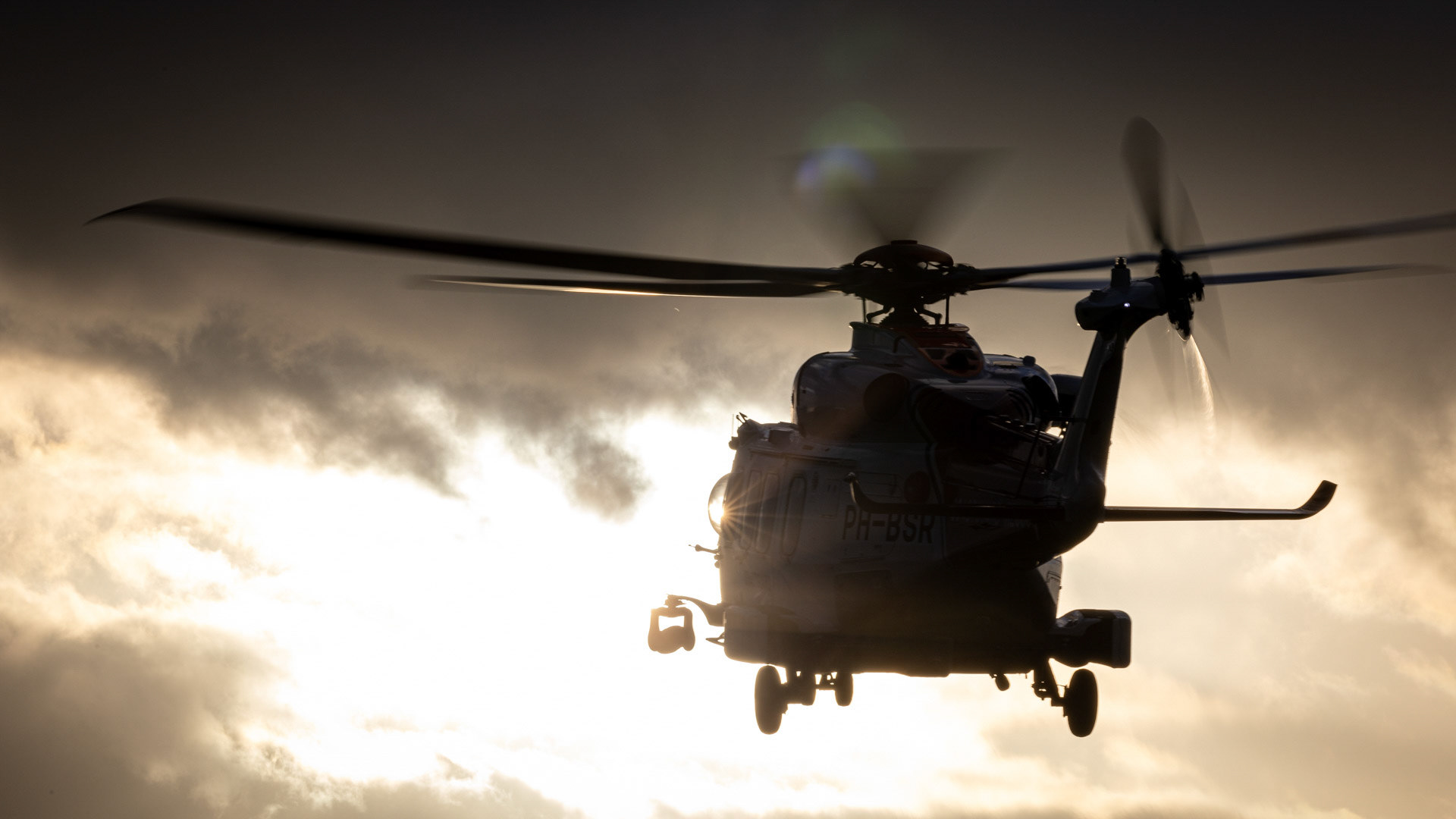
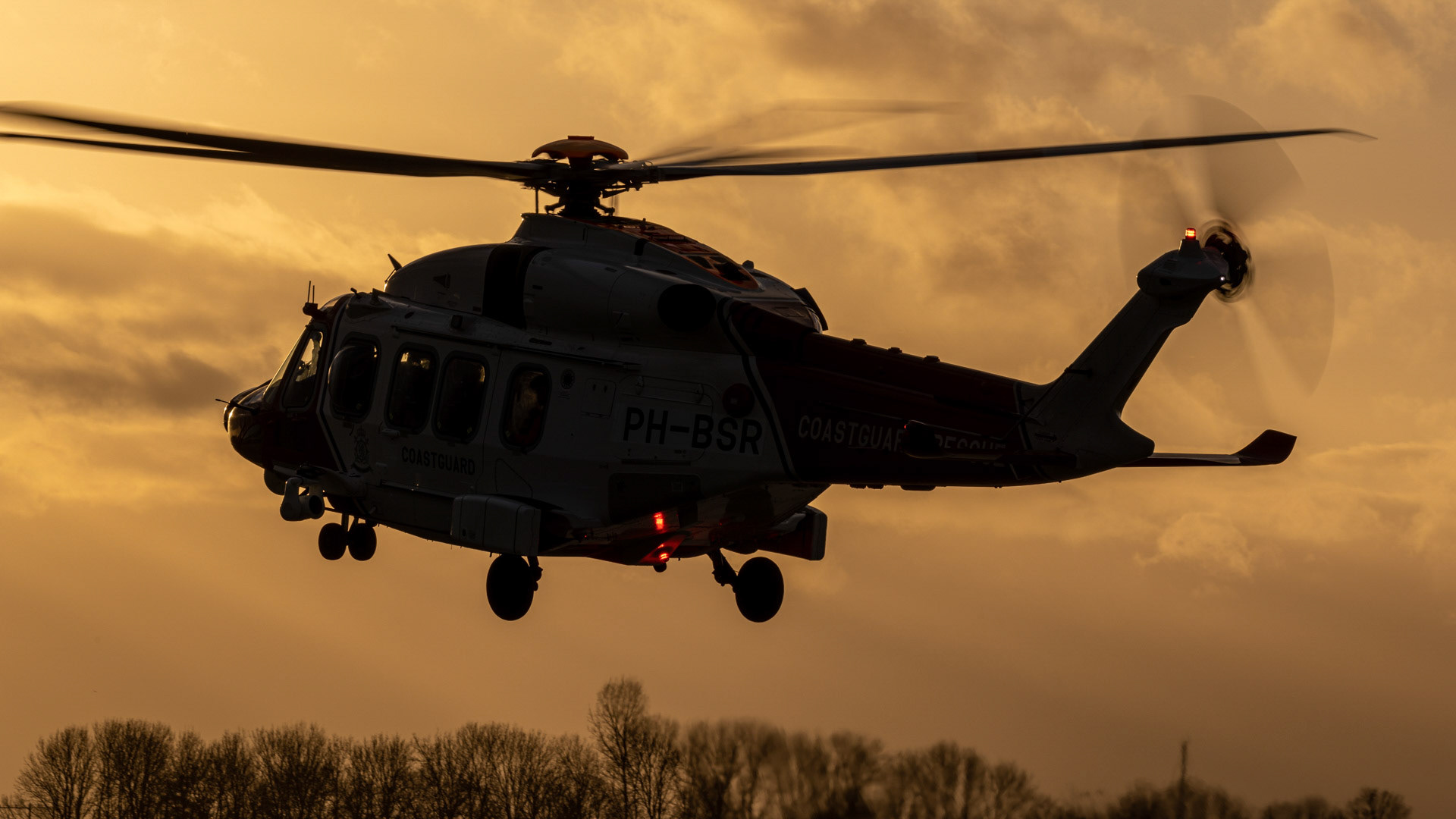
The primary helicopter Bristow operates for the Netherlands Coastguard SAR missions is the Leonardo AW189, a modern, twin-engine “super-medium” helicopter designed for demanding search and rescue, offshore and emergency missions.
Key Characteristics of the AW189:
Twin-engine, super-medium class: Powered by two General Electric CT7-2E1 turboshaft engines that provide strong performance for long-range and high-endurance missions.
Large cabin: One of the largest in its category, accommodating up to 19 passengers or a mix of crew and rescued persons, with space tailored for medical equipment when configured for SAR.
Advanced safety: Designed to rigorous safety standards (EASA/FAA Part 29), including a run-dry main gearbox that can continue to operate for a certified time after loss of lubrication—a valuable feature for over-water flights.
Mission equipment:
Stabilised FLIR (forward-looking infrared) cameras for imaging in poor visibility.
Searchlights and powerful onboard hoist systems for picking up survivors at sea or on land.
Advanced avionics and autopilot systems to support all-weather day/night operations.
Medical capability: The rear cabin is fitted with custom ergonomic medical stations so nurses can start urgent care in flight.